Home Blog Page 226

Faith, Caste, and Contradiction: India’s Struggle Between Progress and Prejudice

0

Saptrishi Soni:

India often appears on the global stage as a country in motion—a nation of space missions, thriving startups, and technological prowess. But beneath that narrative of rising ambition lies a haunting contradiction that continues to define everyday life for millions. In modern India, faith can compel people to drink urine as a holy offering from spiritual gurus, while caste dictates that an individual born into a marginalized community cannot drink from the same water pot as someone from a so-called “higher” caste. This is not merely anecdotal—it reflects systemic, widespread social conditioning rooted in centuries of hierarchy and spiritual manipulation.

Caste in India is a rigid social order based on birth, officially outlawed but unofficially preserved. It determines everything from occupation and education to social interactions and marriage prospects. While the Indian constitution promises equality, the lived experience for Dalits—those historically considered “untouchable”—often tells a very different story. In many rural parts of the country, Dalits are still barred from temples, made to use separate water sources, and subjected to violence for perceived transgressions against caste norms. The contradiction is stark: a society that embraces superstition under the guise of faith, yet recoils at the idea of sharing water with a fellow human being because of their birth.

Religion and spirituality in India are often intertwined with social power structures. Self-proclaimed godmen hold sway over millions, encouraging rituals that defy logic but are accepted in the name of devotion. Meanwhile, caste-based discrimination persists silently, often ignored by the same institutions that glorify these religious practices. This duality—of extreme reverence and extreme exclusion—forms a dangerous loop, where rationality is sacrificed and social inequality is sanctified.

This systemic discrimination has profound psychological and economic consequences. For generations, Dalits have been denied quality education, healthcare, and economic mobility. The internalization of inferiority, combined with the external reinforcement of exclusion, leads to cycles of poverty, mental trauma, and social alienation. It’s not just a matter of human rights—it’s a development issue, a justice issue, and a moral crisis.

Media, politics, and even education systems have failed to meaningfully confront this issue. The Indian media often sidelines stories of caste violence. Political parties exploit caste for vote banks but rarely challenge the social order. And classrooms, instead of fostering equality, often become breeding grounds for prejudice.

For international audiences, the issue is not just about India’s internal contradictions—it reflects how global modernity can coexist with deeply entrenched inequities. It challenges the idea that technological progress naturally leads to social enlightenment. And it forces us to ask: what is the true measure of development?

As the world watches India rise, it must also pay attention to the people it leaves behind. Progress, to be meaningful, must be inclusive. And faith, to be humane, must stand for dignity—not dogma.


हीटवेव: भारत के लिए बढ़ता हुआ सार्वजनिक स्वास्थ्य संकट

भारत में हीटवेव अब केवल मौसमी असुविधा नहीं, बल्कि एक गंभीर सार्वजनिक स्वास्थ्य संकट बन चुकी है। वर्ष 2024 में हीटवेव की आवृत्ति और तीव्रता रिकॉर्ड स्तर पर पहुँची, विशेषकर उत्तर-पश्चिम भारत में। अत्यधिक तापमान के कारण डिहाईड्रेशन, हीट स्ट्रोक, श्वसन व हृदय संबंधी बीमारियों में वृद्धि हुई है, जिससे बुजुर्गों, बच्चों, निम्न आय वर्ग और बाहरी श्रमिकों पर असमान रूप से प्रभाव पड़ा है। शहरी ताप द्वीप प्रभाव, जल संकट, बिजली कटौती और कार्य उत्पादकता में गिरावट जैसे मुद्दे स्थिति को और जटिल बना रहे हैं। श्रमिकों और महिलाओं को भारी गर्मी में काम करना पड़ता है जिससे स्वास्थ्य और आजीविका दोनों पर असर पड़ता है।

-डॉo सत्यवान सौरभ

गर्मी का मौसम भारत में नया नहीं है, लेकिन हाल के वर्षों में इसकी प्रकृति खतरनाक होती जा रही है। कभी मौसमी बदलाव माने जाने वाली हीटवेव अब हमारे शहरों और गांवों में एक नियमित आपदा का रूप ले चुकी है। वर्ष 2024 में उत्तर-पश्चिम भारत में 181 हीटवेव दिन दर्ज किए गए — जो अब तक का सबसे ऊंचा आँकड़ा है। यह संख्या केवल मौसम के आंकड़े नहीं हैं; यह जीवन, स्वास्थ्य और आजीविका पर मंडराते खतरे की स्पष्ट चेतावनी है। हीटवेव, सामान्य तापमान सीमा से अधिक अत्यधिक गर्मी की लंबी अवधि है, जो जलवायु परिवर्तन के कारण भारत में और भी भीषण हो गई है। वर्ष 2024 में भारत में कई राज्यों में 554 हीटवेव के दिन दर्ज किए जिसमें अधिकतम तापमान 47 डिग्री सेल्सियस से ऊपर चला गया। इस वृद्धि ने गर्मी से संबंधित बीमारियों को बढ़ा दिया है, जो बुजुर्गों, मजदूरों और कम आय वाले समुदायों को असमान रूप से प्रभावित कर रहा है।

हीटवेव और स्वास्थ्य: छाया की कमी, संकट की अधिकता

अत्यधिक गर्मी का सीधा प्रभाव हमारे शरीर पर पड़ता है। डिहाईड्रेशन, हीट-स्ट्रोक, हृदयगति का तेज़ हो जाना, और सांस लेने में तकलीफ — ये सब हीटवेव के साथ आने वाली आम समस्याएं हैं। बच्चे, बुजुर्ग और बीमार लोग सबसे अधिक प्रभावित होते हैं। झारखंड में इस साल बाल चिकित्सा वार्ड में डिहाईड्रेशन के मामलों में असामान्य वृद्धि दर्ज की गई। तेज शहरीकरण और हरियाली की कटौती ने शहरों को ताप द्वीप में बदल दिया है। दिल्ली जैसे शहरों में रात का तापमान भी सामान्य से 4-5 डिग्री अधिक बना रहता है। झुग्गी-झोपड़ियों में रहने वाले परिवारों के लिए यह स्थिति कष्टदायक से जानलेवा तक हो सकती है।

हीटवेव और जीवन व्यवस्था पर असर

गर्मी के कारण स्कूल बंद होते हैं, पानी की सप्लाई बाधित होती है, बिजली कटौती आम हो जाती है। गरीब और मेहनतकश वर्ग, जिनके पास न ठंडी जगह होती है, न संसाधन, सबसे अधिक संकट में होते हैं। हीटवेव केवल सेहत का नहीं, आर्थिक उत्पादन का भी सवाल बन गई है। निर्माण श्रमिक, किसान और सड़क विक्रेता जैसी बाहरी कामकाज से जुड़े लोगों की उत्पादकता गिर रही है। अंतरराष्ट्रीय श्रम संगठन के अनुसार, हीटवेव के कारण भारत में कार्य घंटों में 2.2% की गिरावट आ सकती है, जो GDP में 2.8% तक की हानि बन सकती है।

सब पर असर एक जैसा नहीं होता

हीटवेव की मार सभी पर एक समान नहीं होती। जिनके पास एयर कंडीशनर, स्वच्छ जल और स्वास्थ्य सेवाएं नहीं हैं, वे अधिक सुभेद्य होते हैं। ग्रामीण महिलाएं जो जल लाने या खेतों में काम करती हैं, उन्हें दोगुना खतरा होता है। शहरों के गरीब बस्तियों में रहने वाले परिवारों के लिए हीटवेव असमानता का सबसे तेज़ रूप बन जाती है। हीटवेव से लड़ाई सिर्फ एक मौसमीय अलर्ट से नहीं लड़ी जा सकती। इसके लिए पूर्व चेतावनी प्रणाली, शहरी नियोजन, स्वास्थ्य सेवा का विस्तार और सामुदायिक भागीदारी जरूरी है। अहमदाबाद, सूरत और भुवनेश्वर जैसे शहरों ने हीट एक्शन प्लान अपनाकर यह दिखाया है कि नियोजित प्रयासों से मृत्यु दर में कमी लाई जा सकती है। सूरत में ‘कूल रूफ’ योजना ने झुग्गियों में तापमान को 3–4 डिग्री कम किया। भुवनेश्वर में भीड़ वाले बाज़ारों में पेयजल स्टॉल और छाया ढांचे लगाए गए।

हीट गवर्नेंस: अब ज़रूरत है कानूनी और नीतिगत ढाँचे की

सटीक ताप पूर्वानुमान और सार्वजनिक चेतावनियाँ स्वास्थ्य जोखिमों को कम करने में मदद करती हैं। अहमदाबाद हीट एक्शन प्लान (2013) ने कलर–कोडेड अलर्ट पेश किए जिससे निवासियों और अस्पतालों को अत्यधिक तापमान वाली स्थिति के लिए तैयार होने में मदद मिली। अस्पतालों में कूलिंग स्पेस बनाना, स्वास्थ्य पेशेवरों को प्रशिक्षित करना और पर्याप्त चिकित्सा आपूर्ति सुनिश्चित करना गर्मी से संबंधित मृत्यु दर को कम कर सकता है। ठाणे में हीटस्ट्रोक के मामलों पर नजर रखने और तत्काल चिकित्सा मध्यक्षेप प्रदान करने के लिए रियलटाइम निगरानी शामिल है । कूलिंग सेन्टर्स बनाना, ओरस पैकेट वितरित करना, और जल की उपलब्धता सुनिश्चित करना, निम्न आय वाले समुदायों की सुरक्षा में मदद करता है। भुवनेश्वर में गर्मी से होने वाली थकावट को रोकने के लिए भीड़भाड़ वाले बाजारों में अस्थायी छाया संरचनाएँ और जलयोजन स्टेशन स्थापित किए गए थे। हरित आवरण का विस्तार, रिफ्लेक्टिव रूफ्स को बढ़ावा देना, और जलाशयों का निर्माण करके शहरी तापमान को काफी हद तक कम किया जा सकता है। सूरत ने झुग्गी-झोपड़ियों में कूल-रूफ पहल शुरू की, जिससे घर के अंदर का तापमान 3-4 डिग्री सेल्सियस कम हो गया, जिससे हजारों निवासियों को लाभ हुआ।
जिस तरह दिल्ली-NCR में वायु प्रदूषण के लिए GRAP (Graded Response Action Plan) लागू होता है, वैसे ही हीटवेव के लिए भी स्वचालित, डेटा-आधारित नीति ढाँचे की जरूरत है।

भविष्य की गर्मी से मुकाबला आज की नीति से

हीटवेव केवल गर्मी नहीं है, यह एक चेतावनी है — हमारे शहरों की संरचना, हमारी आर्थिक नीतियों और हमारे स्वास्थ्य सिस्टम की परीक्षा। भारत को अब हीटवेव को ‘प्राकृतिक आपदा’ मानकर, उसके अनुसार तैयारी करनी होगी। जलवायु परिवर्तन अब भविष्य की चिंता नहीं है — यह वर्तमान की हकीकत है। और इस हकीकत से लड़ने के लिए हमें चाहिए नीति, नवाचार और न्याय। तभी हम उस गर्म भविष्य को थोड़ा और सहनीय बना सकेंगे, और शायद थोड़ा ठंडा भी। हीटवेव के बढ़ते खतरे को कम करने के लिए हीट हेल्थ गवर्नेंस को मजबूत करना महत्त्वपूर्ण है। एक सक्रिय दृष्टिकोण, प्रारंभिक चेतावनी प्रणाली, शहरी ताप कार्रवाई योजनाओं, प्रत्यास्थ बुनियादी ढाँचे और सामुदायिक भागीदारी को एकीकृत करके जीवन की रक्षा की जा सकती है। जलवायु परिवर्तन के कारण अत्यधिक गर्मी बढ़ रही है, इसलिए सहयोगात्मक नीति निर्माण, वैज्ञानिक नवाचार और संधारणीय शहरी नियोजन के माध्यम से दीर्घकालिक प्रत्यास्थता का निर्माण किया जा सकता है।

Scorching Reality: How Heatwaves Are Turning into India’s Next Big Public Health Emergency

0

Saptrishi Soni

India is no stranger to heat, but what was once considered a seasonal inconvenience is fast becoming a deadly crisis. The year 2024 marked a turning point in how the nation experiences summer. With over 554 heatwave days reported across several states and a record 181 heatwave days in North-West India alone, the scale and intensity of extreme temperatures have reached levels never seen before. In many regions, mercury levels have surged past 47°C, overwhelming public infrastructure and health systems.

This rapid escalation in temperature is not an isolated event. It is symptomatic of the larger climate emergency sweeping across the globe. Scientists have long warned that global warming will disproportionately impact countries in the Global South. India, home to more than 1.4 billion people, is already facing the brunt of this crisis. Rising heat is not only a matter of discomfort but a grave threat to public health, economic productivity, and social equity.

Hospitals in heatwave-hit states have reported a sharp rise in cases of heat stroke, dehydration, respiratory distress, and cardiac arrests. Children, the elderly, and outdoor laborers are most at risk. Cities like Delhi and Lucknow have become urban heat islands, where night-time temperatures remain abnormally high due to concrete sprawl and the loss of green cover. In slums and densely populated low-income neighborhoods, families live in tin-roofed structures that trap heat, turning homes into furnaces. The urban poor have no access to air conditioning or even basic cooling facilities, and for them, heatwaves are not just unbearable—they’re lethal.

The vulnerability of working-class communities cannot be overstated. Agricultural laborers, street vendors, construction workers, and sanitation staff must continue working outdoors even when the heat index crosses danger levels. The International Labour Organization estimates that India could lose up to 2.2 percent of total working hours annually due to heat stress, leading to a GDP loss of 2.8 percent. This is not just a public health concern—it’s a blow to national productivity.

Women, especially in rural and peri-urban areas, face a double burden. Responsible for collecting water and working in fields, they are exposed to prolonged heat without shelter. With water sources drying up and temperatures rising, the risks of heat-induced exhaustion, reproductive complications, and chronic dehydration are rising dramatically. Health services in these areas are ill-equipped to manage heat-related conditions, and access to emergency care remains limited.

Despite the mounting crisis, India does not yet categorize heatwaves as a national disaster. Doing so could unlock emergency relief mechanisms and direct funds toward protective infrastructure. However, a few Indian cities have begun to adapt. Ahmedabad, one of the first cities to adopt a Heat Action Plan in 2013, introduced early warning systems and community outreach programs. Surat has launched a ‘Cool Roof’ initiative that has successfully lowered indoor temperatures in informal settlements by up to 4°C. Bhubaneswar has installed hydration booths and temporary shading structures in crowded markets to reduce heat stress for vendors and daily wage earners. These local success stories show that with coordinated planning and investment, heat resilience is possible.

Internationally, heatwaves are now among the top climate-related causes of death. From Europe to the Middle East, and now across large swathes of Asia, extreme heat is pushing health systems to a breaking point. The World Health Organization has issued repeated warnings that climate-induced heatwaves could soon become the leading cause of preventable mortality. The Intergovernmental Panel on Climate Change (IPCC) also highlights that South Asia, with its high population density and socio-economic vulnerabilities, will remain a climate hotspot for decades to come.

India must recognize that the time for incremental adaptation has passed. What’s needed now is a full-fledged national strategy that includes heatwave alerts, green urban planning, mass access to cooling infrastructure, and a robust public health response. Government policies must integrate climate resilience across sectors, from energy to housing to labor regulations. Just as the Delhi-NCR region has a Graded Response Action Plan (GRAP) to combat air pollution, the country needs a comprehensive and automated heatwave response mechanism backed by scientific data and forecasting tools.

The climate crisis is no longer a distant threat—it is unfolding here and now, with each passing summer deadlier than the last. If India is to protect its people, especially the most vulnerable, from the rising tide of heat, it must act urgently. Through innovation, equity-based planning, and strong governance, the country can still turn the tide on what is fast becoming one of its most defining challenges of the 21st century.

Inputs for this article have been taken from various web sources. This is also a web-generated news report.

#HeatwaveIndia #ClimateCrisis #PublicHealthEmergency #GlobalWarming #UrbanHeatIsland #HeatActionPlan #ClimateJustice #GreenCities #CoolRoofInitiative #SustainableDevelopment #ExtremeHeat #IndiaClimateResponse #ClimateResilience


Deputy Commissioner Adopts Senior Secondary School Bagli Under ‘Apna Vidyalaya’ Program

0

Special Emphasis on Enhancing Quality of Education in Government Schools: Bairwa

Dharamshala, (Arvind Sharma):

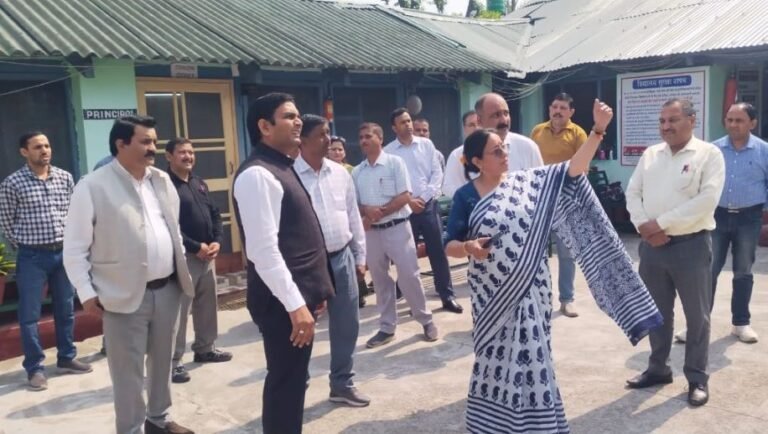
In a significant step towards strengthening the education system in Himachal Pradesh, Kangra District Deputy Commissioner Hem Raj Bairwa has adopted the Government Senior Secondary School, Bagli — one of the oldest educational institutions in the region — under the state’s ambitious ‘Apna Vidyalaya: School Adoption Program.’

During his visit to the school on Tuesday, Deputy Commissioner Bairwa interacted with students, teachers, and members of the School Management Committee (SMC). He reviewed the academic environment and shared his vision for the school’s overall development. Speaking on the occasion, he said, “The ‘Apna Vidyalaya’ initiative reflects the state’s commitment to improving the quality of education in government schools and empowering them with necessary resources.”

The program, launched by the Himachal Pradesh government, encourages public figures including MPs, MLAs, administrative officers, and senior officials from various departments to adopt government schools and contribute to their holistic progress. These adopters will provide mentorship, guide students on career opportunities, encourage participation in extracurricular and social activities, and help them prepare for competitive exams.

Bairwa emphasized the need to bridge the gap between education and social responsibility, saying that consistent engagement with the school community will be a priority. He also stressed on promoting excellence in academics, sports, and co-curricular activities.

As part of the initiative, the Deputy Commissioner announced plans for regular career counselling sessions, awareness programs on legal rights and nutrition, and steps to curb drug abuse among students. He also advised youth to use social media judiciously and be mindful of its potential adverse effects.

The visit was also attended by Deputy Director of Higher Education Vikas Mahajan and Nodal Officer Sudhir Bhatia. Expressing her gratitude, school principal Promila Sharma said, “It is a matter of pride and motivation for us that our school has been adopted by the Deputy Commissioner. This will certainly inspire us to strive harder for the betterment of our students.”

The adoption of Government Senior Secondary School Bagli marks a promising beginning under the ‘Apna Vidyalaya’ program, aiming to uplift government education standards through active community participation and leadership.

Dubai-Based Sharaf Group to Launch Third Major Project in Haryana, Reinforcing Investor Confidence in State’s Business-Friendly Policies

0

Reinforcing global investor confidence in Haryana’s pro-business governance, the Dubai-headquartered Sharaf Group of Companies is set to launch its third major project in the state, further strengthening trade ties between India and the UAE. This upcoming venture will be established in Rewari district, with a focus on logistics and retail infrastructure. The development is expected to significantly boost economic activity in the region and generate employment opportunities for the local youth, underscoring the effectiveness of Haryana’s Ease of Doing Business (EODB) reforms.

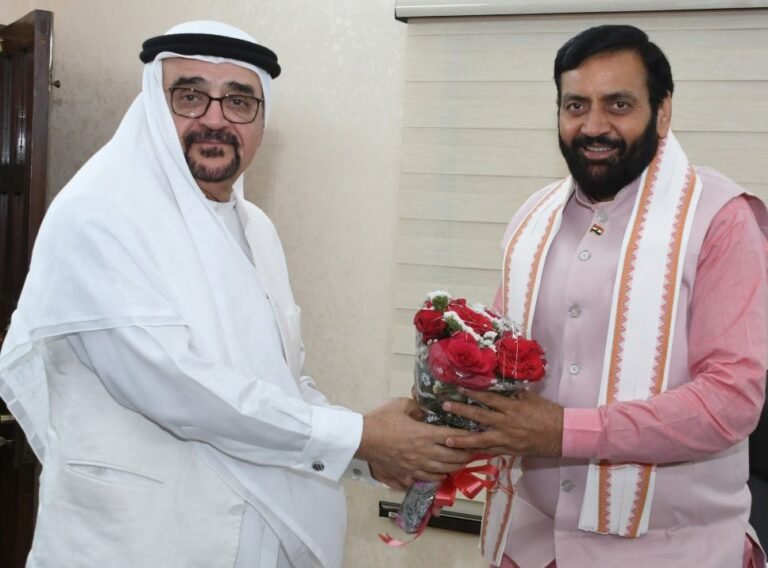
In a key meeting held at Sant Kabir Kutir in Chandigarh, Major General Sharafuddin Sharaf, Founder of Sharaf Group and Chairman of the UAE-India Business Council, met with Haryana Chief Minister Shri Nayab Singh Saini to express his group’s appreciation for the state’s favorable investment climate. During the interaction, Sharaf extended a personal invitation to the Chief Minister to inaugurate another Sharaf Group initiative in village Dheerpur, Kurukshetra. This project would add to the company’s existing presence in Palwal district, where it has already operationalized a significant business unit.

The meeting was also attended by Mr. Pawan Choudhary, Advisor to the Department of Foreign Cooperation, Government of Haryana, alongside Captain Ashwini Nair and Ms. Shashi Gupta of Hind Terminals Pvt Ltd—Sharaf Group’s Indian subsidiary. Major General Sharaf conveyed his deep interest in not only expanding the group’s footprint in Haryana but also in supporting the employment aspirations of the state’s skilled workforce. He assured the Chief Minister that the Sharaf Group, with the collaboration of Haryana’s Foreign Cooperation Department, will actively facilitate overseas employment for local youth in Dubai and other countries where the group operates.

Responding positively, Chief Minister Nayab Singh Saini affirmed the state government’s complete support for the group’s ongoing and future ventures. He emphasized that Haryana has taken significant steps to create a favorable business environment through a series of systemic reforms. These include the establishment of a dedicated Foreign Cooperation Department, the introduction of a single-window clearance system, labor law relaxations, and faster environmental clearance mechanisms. These strategic measures have positioned Haryana as a prime destination for both domestic and international investments.

Sharaf Group, a diversified global conglomerate headquartered in Dubai, is channeling its investments in India through Hind Terminals Pvt Ltd (HTPL). The company has already invested over ₹2,500 crore in the development of multimodal logistics parks, inland container depots, and rail operations across India. It now plans to further invest at least ₹1,000 crore over the next two to three years to expand and upgrade these facilities. The new investment will include development of advanced logistics infrastructure and improved connectivity, which is critical to supporting India’s growing supply chain demands.

HTPL’s operations span various sectors including rail-road transportation, third-party logistics, multimodal agro logistics parks, inland container depots, and cold chain systems for perishable goods. The company’s current ventures have created direct employment for approximately 300 people and indirect employment for over 2,000 individuals. The proposed expansion is projected to generate an additional 200 direct jobs and create indirect opportunities for nearly 1,000 more people, thereby supporting inclusive growth and skill development in the state.

The decision by Sharaf Group to scale up its investments in Haryana is a direct endorsement of the state’s economic vision under the leadership of Chief Minister Nayab Singh Saini. It highlights Haryana’s emergence as a logistics and industrial hub, offering strategic connectivity, policy stability, and investor-friendly governance. This also reflects the success of the government’s continued engagement with global business leaders and its commitment to enabling job creation and sustainable development through private sector participation.

The presence of the Chairman of the UAE-India Business Council in this strategic discussion reflects the growing trust between the two economies and signals an optimistic trajectory for future bilateral trade. With the Sharaf Group’s continued expansion, Haryana is well poised to attract more global investment and emerge as a model state for ease of doing business in India.

#SharafGroup #HaryanaInvestment #EaseOfDoingBusiness #ForeignInvestment #LogisticsIndia #NayabSinghSaini #MakeInIndia #UAEIndiaBusiness #HindTerminals #RewariProject #GlobalTrade #StartupIndia #InvestInHaryana

Inputs for this report have been taken from the web and this is also a web-generated news report.

एसजेवीएन रामपुर की सराहनीय पहल: बीपीएल महिलाओं को मिला स्वास्थ्य अनुरक्षण और पोषण सहयोग

रामपुर, हिमाचल प्रदेश – सतलुज जल विद्युत निगम लिमिटेड (एसजेवीएन) के रामपुर जल विद्युत परियोजना (रामपुर एचपीएस) द्वारा कॉर्पोरेट सामाजिक दायित्व (सीएसआर) नीति के अंतर्गत चलाए जा रहे महिला एवं बाल विकास कार्यक्रमों के तहत गरीब परिवारों की महिलाओं को स्वास्थ्य अनुरक्षण और पोषण हेतु सहायता प्रदान की जा रही है। इस पहल का उद्देश्य सामाजिक और आर्थिक रूप से पिछड़े वर्गों की महिलाओं को सशक्त बनाना तथा उनके नवजात शिशुओं को सुरक्षित और स्वस्थ भविष्य देना है।

एसजेवीएन की रजत जयंती महिला एवं बाल विकास योजना के तहत यह सहायता विशेष रूप से बीपीएल (गरीबी रेखा से नीचे जीवन यापन करने वाले) परिवारों की महिलाओं को लक्षित करती है, जिन्हें अपने जीवनयापन के लिए खेती अथवा दिहाड़ी मजदूरी पर निर्भर रहना पड़ता है। इस योजना के अंतर्गत गर्भवती महिलाओं को प्रसव पूर्व और प्रसव उपरांत स्वास्थ्य अनुरक्षण तथा पोषण सहायता उपलब्ध कराई जाती है, जिससे उन्हें गर्भावस्था के दौरान आवश्यक ऊर्जा और पोषक तत्व मिल सकें।

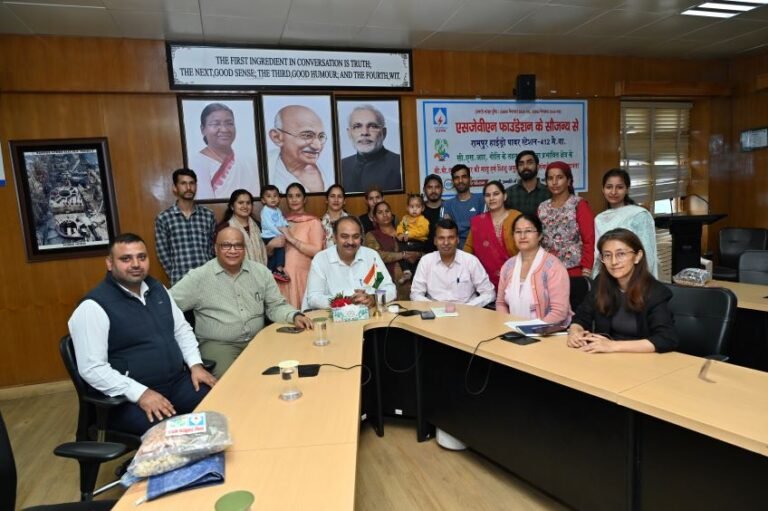
इसी क्रम में रामपुर एचपीएस के परियोजना प्रमुख श्री विकास मारवाह ने बायल स्थित सम्मेलन कक्ष में आयोजित एक विशेष कार्यक्रम के दौरान खनेरी स्थित महात्मा गांधी मेडिकल सर्विस सेंटर में भर्ती 12 बीपीएल महिलाओं को पूरक पोषक आहार सामग्री के रूप में ड्राई फ्रूट्स का गिफ्ट पैक प्रदान किया। ये महिलाएं दैनिक मजदूरी और खेती जैसे कार्यों पर आधारित कठिन जीवन व्यतीत कर रही हैं, ऐसे में यह सहयोग उनके और उनके नवजात शिशुओं के स्वास्थ्य के लिए अत्यंत लाभकारी सिद्ध होगा।

कार्यक्रम में श्री मारवाह ने बताया कि यह सहायता एसजेवीएन प्रबंधन के दिशा-निर्देशों के अनुरूप प्रदान की जा रही है, जिससे महिलाओं को जीवन के अत्यंत महत्वपूर्ण चरण में आवश्यक पोषण और देखभाल मिल सके। उन्होंने यह भी उल्लेख किया कि अब तक इस योजना के अंतर्गत 145 महिलाएं लाभान्वित हो चुकी हैं, जो इस प्रयास की व्यापकता और प्रभावशीलता को दर्शाता है।

इस अवसर पर रामपुर एचपीएस के विभिन्न विभागों के विभागाध्यक्ष और सीएसआर विभाग के प्रतिनिधि भी उपस्थित रहे, जिन्होंने कार्यक्रम की सफलता में सहयोग प्रदान किया। यह पहल एसजेवीएन की सामाजिक जिम्मेदारी को दर्शाते हुए समाज के कमजोर वर्गों के जीवन में सकारात्मक बदलाव लाने की दिशा में एक सराहनीय कदम है।

#SJVN #CSRInitiative #WomenEmpowerment #HealthSupport #NutritionForMothers #BPLFamilies #RampurHPS #CommunityDevelopment #IndiaCSR #SustainableDevelopment

Inputs are taken from web and this is also a web generated news report.

Punjab Governor Gulab Chand Kataria Attends Vishva Mahamantra Navkar Diwas in Zirakpur, Highlights Relevance of Jain Principles in Modern Times

0

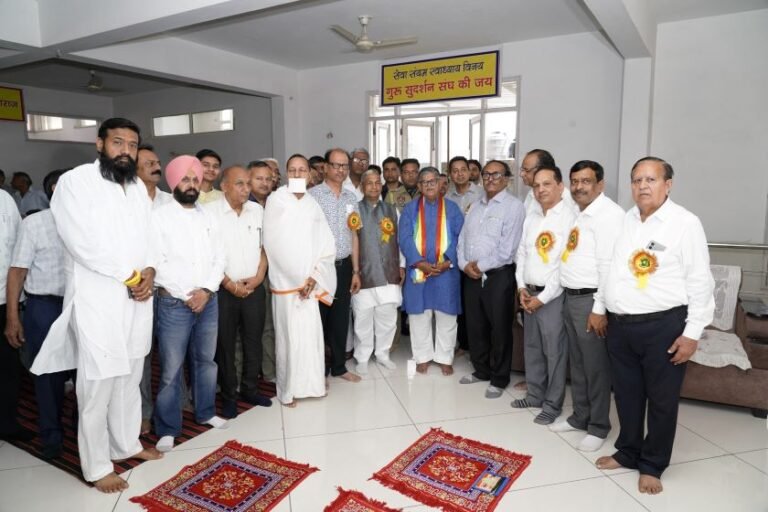
Peer Muchalla (District Mohali), April 9 – In a spiritually vibrant and culturally significant gathering held at Peer Muchalla in Zirakpur, Punjab Governor and UT Chandigarh Administrator Sh. Gulab Chand Kataria graced the auspicious occasion of Vishva Mahamantra Navkar Diwas. The revered event was organized to honor the sacred Navkar Mantra, a powerful chant in Jainism symbolizing inner peace, humility, and spiritual ascension.

Governor Kataria paid heartfelt tribute at the feet of Jain Mahasadhvi Shri Sunidhi Ji Maharaj, Mahasadhvi Shri Sajag Ji, and Mahasadhvi Shri Samahi Ji Maharaj. His respectful participation reflected his reverence for Jain teachings and his support for interfaith harmony. The event was a serene confluence of devotion and reflection, aimed at spreading the universal message of Jain philosophy to a wider audience.

In his deeply reflective address, the Governor highlighted the enduring relevance of Lord Mahavir’s five supreme vows—Ahimsa (non-violence), Satya (truthfulness), Aparigraha (non-possessiveness), Achaurya (non-stealing), and Brahmacharya (celibacy). He underlined that these principles are not just religious precepts but universal values that form the foundation of ethical and sustainable living in today’s world. He emphasized that Jainism offers a holistic approach to life—nurturing inner growth, social responsibility, and spiritual awakening.

Governor Kataria pointed out that the increasing global trend towards vegetarianism, minimalism, and conscious living is a reflection of the worldwide acceptance of Jain ideals. He particularly advocated for the practice of “Ratribhoj Tyag,” or the renunciation of dinner, describing it as a valuable step for both physical well-being and spiritual discipline. He encouraged individuals from all walks of life to actively celebrate Mahavir Jayanti with grandeur, devotion, and community participation.

Addressing the importance of early moral education, Sh. Kataria said that imparting religious values, cultural roots, and ethical awareness among children is crucial in nurturing responsible citizens and preserving India’s rich spiritual heritage. He praised the Jain community for their significant contributions to India’s socio-economic fabric, acknowledging their exceptional achievements in various sectors despite being a numerically smaller group.

Sadhvi Shri Sunidhi Ji Maharaj also addressed the congregation, delivering a soul-stirring discourse on the sacred power of the Navkar Mantra. She emphasized its transformative energy, capable of guiding individuals toward purity, restraint, and higher consciousness. The Sadhvi expressed appreciation for the Governor’s proactive role in promoting causes such as de-addiction and women’s empowerment, and offered her blessings for the continued success of his efforts in public service.

The Governor was accompanied by his wife Smt. Anita Kataria and Ms. Avni, adding a familial warmth to the occasion. Their presence was welcomed with deep respect by the community and spiritual leaders alike.

The event was organized seamlessly with the dedicated efforts of prominent community members, including Sh. Pawan Kumar Jain, Sh. Naresh Jain, Sh. Satish Jain, Sh. K.V. Jain, Sh. Ashok Jain, Sh. Jaipal Jain, Sh. Satish Jain (Mansa), and Sh. Jatin Jain. Their tireless coordination ensured the smooth conduct of the program. The proceedings were eloquently anchored by Sh. Arvind Jain from Delhi, adding a thoughtful rhythm to the spiritual ceremony.

The celebration concluded with the presentation of sacred literature related to the Navkar Mantra to the Hon’ble Governor by Sadhvi Shri. This symbolic gesture marked the culmination of an event rooted in devotion, wisdom, and collective harmony. The dignified presence of Sh. Gulab Chand Kataria added profound significance to the occasion, inspiring all present to adopt the Jain path of compassion, purity, self-discipline, and inner peace.

#VishvaMahamantraNavkarDiwas #GulabChandKataria #JainPhilosophy #NavkarMantra #LordMahavir #Ahimsa #Satya #Jainism #SpiritualIndia #ZirakpurEvent #MahavirJayanti2025

Inputs are taken from web and this is also a web generated news report.

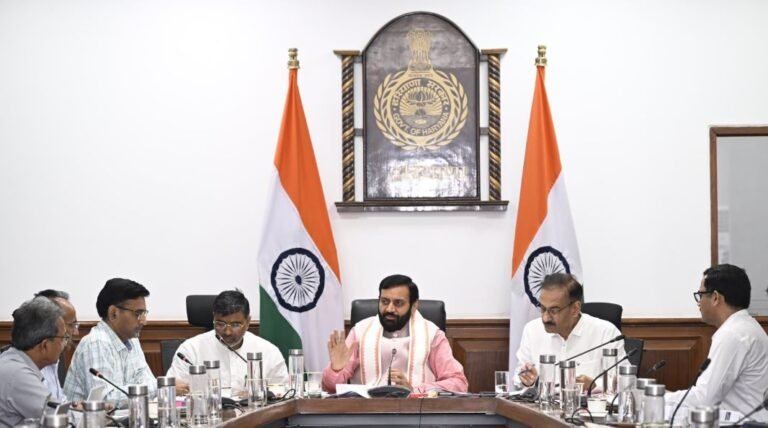
Haryana CM Nayab Singh Saini Directs Full Implementation of NEP, Assures Textbooks in Government Schools by April 15

0

In a high-level meeting held to review the progress of the National Education Policy (NEP) implementation in Haryana, Chief Minister Nayab Singh Saini stated that all students studying in government schools across the state will receive their textbooks by April 15. Additionally, he emphasized that students studying in private schools are free to purchase their books from any bookshop of their choice and should not be forced to buy from a particular store.

The meeting, which focused on accelerating educational reforms and ensuring timely execution of budget announcements made for the fiscal year 2025–26, was attended by Education Minister Mahipal Dhanda along with senior officials from the school, technical, and higher education departments. CM Saini gave clear directives to the departments to begin rapid action on all identified education-related announcements from the state budget.

To support academic excellence, the Chief Minister directed that the past ten years’ question papers and mock test sets for board classes be uploaded on the official website of the Haryana School Education Board. He also instructed the formation of a committee to revise board exam question patterns in line with NEP guidelines. The reforms aim to ensure that students are well-prepared and can easily access previous learning materials.

CM Saini further stressed the importance of school infrastructure and campus hygiene. He asked that cleanliness drives, greenery enhancement, wall painting, slogans, and inspirational messages be taken up at the institutional level. Dedicated classes on sports and sanitation will also be introduced to foster holistic development. Under the Right to Education (RTE) Act, no seats should remain vacant in any school or higher education institution, he added.

In a novel initiative to bridge administrative leadership with grassroots education, the Chief Minister mandated that all Class I and Class II officers must spend at least one full day each month in a government school. A structured plan will be developed to execute this initiative across districts.

He reiterated that the National Education Policy must be implemented in its entirety during the current academic year. Officials were instructed to engage students and youth through awareness drives and dialogue to strengthen the foundation of NEP at the grassroots level. Furthermore, outstanding performances by students and teachers will be acknowledged and rewarded to foster motivation and innovation in the education system.

The Chief Minister also revealed upcoming initiatives such as the Haryana Math Olympiad, to be organized for students of classes 10 to 12. Additionally, meritorious students from classes 6 to 12 will be taken on educational visits to prestigious research institutions like ISRO, DRDO, and Bhabha Atomic Research Centre. A comprehensive framework for these initiatives will be drawn up shortly.

To enhance monitoring and evaluation of academic institutions, CM Saini proposed that a portal be developed for real-time tracking of higher education institutions, similar to the portal already in place for school tracking. He instructed officials to prepare a list of government colleges whose National Assessment and Accreditation Council (NAAC) applications were rejected, so that corrective steps can be taken to address shortcomings and enable resubmission.

One significant step toward institutional excellence includes the identification of one government college in each district to be developed as a ‘Model Sanskriti College’. These model colleges will be equipped with high academic standards, committed faculty, and focused student welfare mechanisms. The Chief Minister also directed that construction work for new government college buildings be expedited to meet infrastructure needs.

Present at the meeting were Chief Principal Secretary to the CM Rajesh Khullar, Additional Chief Secretary of Higher Education Vineet Garg, Additional Chief Secretary of Youth Empowerment and Entrepreneurship Vijayendra Kumar, Principal Secretary of School Education Pankaj Agarwal, Deputy Principal Secretary to the CM Yashpal, Officers on Special Duty Bharat Bhushan Bharti and Raj Nehru, Chairman of the Haryana State Higher Education Council Kailash Chand Sharma, and Chairman of the Haryana School Education Board Pawan Kumar, along with other senior officials from relevant departments.

#HaryanaEducation #NEP2020 #CMNayabSinghSaini #SchoolReforms #HigherEducationHaryana #TextbookDistribution #DigitalLearning #CleanCampusInitiative #ModelColleges #HaryanaMathOlympiad #ISROVisitForStudents

Inputs are taken from web and this is also a web generated news report.

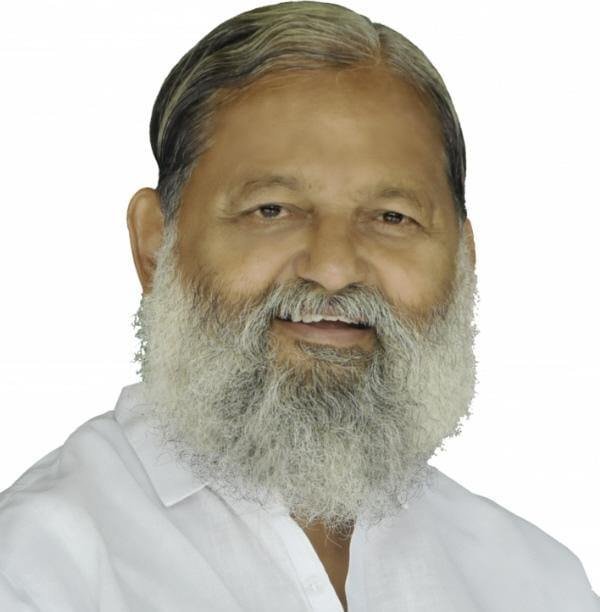
यमुनानगर में 800 मेगावाट की सुपर क्रिटिकल थर्मल यूनिट स्थापित की जाएगी – ऊर्जा मंत्री अनिल विजयमुनानगर में 800 मेगावाट सुपर क्रिटिकल थर्मल यूनिट से हरियाणा की ऊर्जा क्षमता को मिलेगा नया बल : अनिल विजयमुनानगर में 800 मेगावाट की सुपर क्रिटिकल थर्मल यूनिट स्थापित की जाएगी – ऊर्जा मंत्री अनिल विज

हरियाणा के ऊर्जा मंत्री श्री अनिल विज ने स्पष्ट किया है कि यमुनानगर में प्रस्तावित 800 मेगावाट की सुपर क्रिटिकल थर्मल यूनिट राज्य की ऊर्जा संरचना को नई दिशा देगी। यह अत्याधुनिक तकनीक आधारित यूनिट न केवल बिजली उत्पादन की क्षमता को बढ़ाएगी, बल्कि पर्यावरणीय दृष्टिकोण से भी अनुकूल होगी, क्योंकि इससे प्रदूषण स्तर में कमी आएगी। उन्होंने कहा कि यह यूनिट हरियाणा के ऊर्जा आत्मनिर्भरता की दिशा में एक ठोस कदम साबित होगी।

ऊर्जा मंत्री अनिल विज यमुनानगर में प्रधानमंत्री श्री नरेंद्र मोदी के 14 अप्रैल को प्रस्तावित दौरे के मद्देनजर कार्यक्रम स्थल का निरीक्षण करने पहुंचे थे। निरीक्षण से पूर्व उन्होंने अधिकारियों के साथ एक अहम बैठक कर व्यवस्थाओं की समीक्षा की और जरूरी निर्देश जारी किए। इस अवसर पर पत्रकारों से बातचीत करते हुए उन्होंने कहा कि प्रधानमंत्री मोदी इस दिन दीनबंधु छोटूराम थर्मल पावर प्लांट की तीसरी यूनिट का शिलान्यास करेंगे, जिसकी क्षमता 800 मेगावाट होगी।

श्री विज ने जानकारी दी कि राज्य सरकार खेदड़ में एक और पानीपत में दो थर्मल प्लांट स्थापित करने की भी तैयारी कर रही है। इससे राज्य की बिजली उत्पादन क्षमता में उल्लेखनीय वृद्धि होगी और बाहरी स्रोतों से बिजली की निर्भरता कम होगी। उन्होंने यह भी बताया कि सुपर क्रिटिकल तकनीक आधारित थर्मल यूनिट आधुनिक ऊर्जा आवश्यकताओं के अनुरूप पर्यावरण-संवेदनशील समाधान प्रदान करेगी।

पेट्रोल और डीजल के दामों में हालिया बढ़ोतरी पर बोलते हुए उन्होंने कहा कि इसका भार आमजन पर नहीं पड़ेगा और सरकार इस दिशा में सजग है। वहीं हरियाणा रोडवेज के कर्मचारियों की हड़ताल को लेकर उन्होंने स्पष्ट किया कि उनके पास संबंधित विभागों के कर्मचारी अपनी समस्याएं लेकर आते हैं, और वह व्यक्तिगत रूप से उनकी समस्याओं को सुनते और समाधान करते हैं। लेकिन रोडवेज कर्मचारियों की ओर से फिलहाल कोई औपचारिक शिकायत नहीं मिली है।

प्रधानमंत्री मोदी की प्रस्तावित रैली के लिए की जा रही तैयारियों के निरीक्षण के दौरान श्री विज ने सभी व्यवस्थाओं की गहन समीक्षा की। उन्होंने निर्देश दिए कि कार्यक्रम स्थल पर पीने के पानी, शौचालय, पार्किंग, सुरक्षा और बैठने की सुविधाएं पूरी तरह से सुव्यवस्थित होनी चाहिए। इसके अलावा वीआईपी टॉयलेट्स, मीडिया सेंटर की तकनीकी व्यवस्थाएं, मंच प्रबंधन और प्रधानमंत्री की यात्रा से जुड़े रूट प्लान की भी समीक्षा की गई।

ऊर्जा मंत्री ने इसके पश्चात यमुनानगर स्थित थर्मल पावर प्लांट का भी दौरा किया, जहां उन्होंने वरिष्ठ अधिकारियों और अभियंताओं से विस्तृत तकनीकी जानकारी ली। प्लांट के निरीक्षण के दौरान उन्हें बिजली उत्पादन की मौजूदा प्रक्रिया, क्षमता और कार्यप्रणाली के बारे में विस्तारपूर्वक जानकारी दी गई।

इस अवसर पर ऊर्जा विभाग के अतिरिक्त मुख्य सचिव श्री अपूर्व कुमार सिंह, अंबाला रेंज के आईजी श्री सिबाश कविराज, बिजली उत्पादन निगम के एमडी श्री अशोक मीणा, भाजपा जिला अध्यक्ष श्री राजेश सपरा, उपायुक्त श्री पार्थ गुप्ता, पुलिस अधीक्षक श्री राजीव देसवाल, अतिरिक्त पुलिस अधीक्षक श्रीमती सृष्टि गुप्ता, जन स्वास्थ्य अभियांत्रिकी विभाग के अधीक्षण अभियंता श्री अरविंद रोहिला और एसडीएम जगाधरी श्री सोनू राम सहित विभिन्न विभागों के अधिकारी मौजूद रहे।

#YamunanagarThermalPlant #AnilVij #SuperCriticalTechnology #PMModiHaryanaVisit #800MWPowerPlant #EnergyDevelopment #HaryanaNews #TripleEngineGovernment #PowerInfrastructure #YamunanagarDevelopment

Inputs are taken from web and this is also a web generated news report.

हरियाणा और इजरायल ने बागवानी के क्षेत्र में कृषि नवाचार के लिए पेश किया साझा दृष्टिकोण

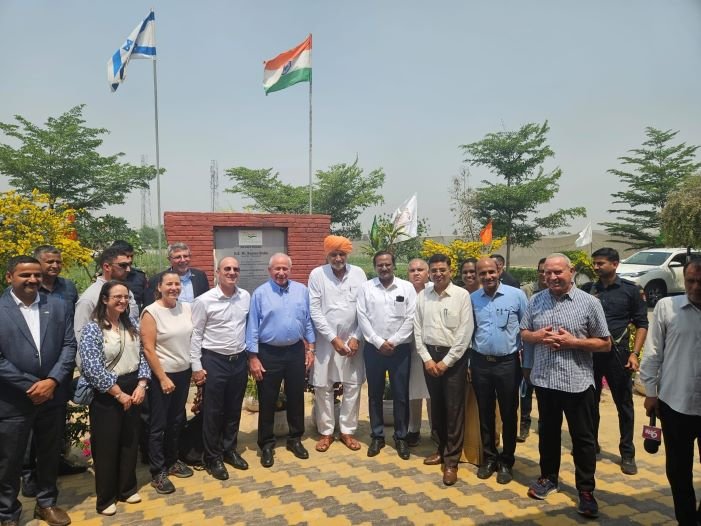
हरियाणा और इजरायल ने बागवानी के क्षेत्र में कृषि नवाचार को लेकर एक साझा दृष्टिकोण प्रस्तुत किया है। हरियाणा के कृषि मंत्री श्री श्याम सिंह राणा और इजरायल के कृषि व खाद्य सुरक्षा मंत्री एवी डिक्टर के बीच इंडो-इजरायल सेंटर ऑफ एक्सीलेंस फॉर वेजिटेबल्स, घरौंडा (करनाल) में महत्वपूर्ण बैठक हुई। यह बैठक दोनों देशों के बीच नई दिल्ली में हुए कृषि सहयोग समझौते और कार्य योजना पर हस्ताक्षर के एक दिन बाद आयोजित की गई।

बैठक के दौरान इजरायल के मंत्री डिक्टर ने हरियाणा में जल प्रदूषण की समस्या को देखते हुए जल पुनर्चक्रण की आवश्यकता पर जोर देते हुए कहा, “हमें प्रदूषित जल का उपयोग सिंचाई के लिए करना चाहिए।” उन्होंने हरियाणा को इस दिशा में संभावनाएं तलाशने की सलाह दी।  उन्होंने हरियाणा के कृषि मंत्री श्री श्याम सिंह मंत्री राणा को इजरायल आने के लिए आमंत्रित किया ताकि सिंचाई, बीज उत्पादन और जलवायु नियंत्रित खेती में अपनाई जा रही उन्नत तकनीकों को नजदीक से देखा जा सके।

श्री राणा ने हरियाणा में खारे पानी को शुद्ध करने की दिशा में किए जा रहे प्रयासों और प्राकृतिक खेती को लेकर चल रही योजनाओं की जानकारी दी। उन्होंने बताया कि इस वर्ष राज्य ने एक लाख एकड़ खारे पानी वाले क्षेत्र को खेती योग्य बनाने का लक्ष्य रखा है। उन्होंने दिल्ली के आसपास फूलों की खेती (फ्लोरीकल्चर) को बढ़ावा देने की संभावनाओं पर भी प्रकाश डाला।

कृषि मंत्री ने हरियाणा की भौगोलिक विविधताओं का भी उल्लेख लिया और बताया कि एक छोटा राज्य होने के बावजूद हरियाणा का देश की सैन्य सेवा और अंतरराष्ट्रीय खेलों में पदक जीतने में महत्वपूर्ण योगदान रहा है। इजरायल के मंत्री डिक्टर ने हरियाणा में विकसित ग्रीनहाउस और उन्नत खेती प्रणालियों की सराहना की। उन्होंने हाइड्रोपोनिक्स जैसी तकनीकों की बात की, जिसमें पौधे स्वयं पोषक तत्वों की आवश्यकता के लिए संकेत देते हैं। उन्होंने इजरायली नींबू जैसी उच्च गुणवत्ता वाली खट्टे फलों की किस्मों को हरियाणा की जलवायु के अनुकूल बनाकर संयुक्त रूप से विकसित करने की इच्छा भी जताई।

हरियाणा के कृषि मंत्री श्री श्याम सिंह राणा ने प्राकृतिक खेती में राज्य की प्रगति के साथ-साथ ट्रेलिसिंग और मल्टी-स्टोरी मशरूम फार्मिंग जैसी तकनीकों की संभावनाओं पर चर्चा की। उन्होंने कटाई के बाद होने वाले नुकसान को कम करने की जरूरत पर बल देते हुए कहा, “हमारी कृषि उपज का बड़ा हिस्सा कटाई के बाद नष्ट हो जाता है। हम पोस्ट-हार्वेस्ट लॉसेज को कम करने पर काम कर रहे हैं।”

दोनों देशों के मंत्रियों ने हाइड्रोपोनिक्स के क्षेत्र में ‘सेंटर ऑफ एक्सीलेंस’ के रूप में विकसित करने पर सहमति जताई, जिससे भारत-इजरायल कृषि साझेदारी का एक नया अध्याय शुरू होने जा रहा है।

बैठक में इजरायली मंत्री के साथ भारत में इजरायल के राजदूत रूवेन अजार, याकोव पोलेग, सारा ओल्गा यानोवस्की, उरी रुबिनस्टीन, येदिदा शुलमैन और ब्रिहामा देव भी उपस्थित थे। भारत सरकार की ओर से अधिकारी राजेश साहा और मनोज कुमार भी बैठक में शामिल हुए।