
Tensions between Pakistan and Afghanistan have sharply escalated into what Pakistani authorities are openly calling a state of war, following intense cross-border fighting and a series of airstrikes on Afghan territory. The crisis marks one of the most serious confrontations between the two neighbours in recent years, threatening wider regional instability.
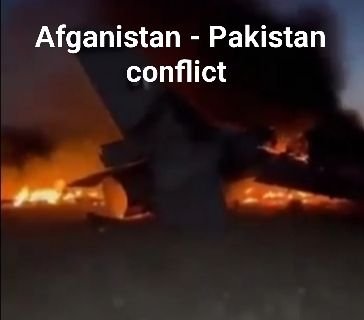
The escalation followed Pakistani aerial operations targeting multiple locations in Afghanistan, including Kabul and ****, hours after Afghan forces attacked Pakistani border positions. According to Pakistani officials, the strikes were part of a military campaign launched in response to repeated attacks on Pakistani troops and earlier cross-border violence.
Pakistan’s Defence Minister Khawaja Asif publicly declared that Pakistan’s “patience has reached its limit,” describing the situation as an “open war” and confirming the launch of a major military operation against Afghan targets. Pakistani authorities have claimed that more than 130 Afghan fighters were killed during the strikes and subsequent operations.
On the other side, Afghan officials rejected Pakistan’s version of events and stated that Afghan forces had carried out retaliatory actions after what they described as deadly Pakistani airstrikes earlier in the week on Afghan border areas. Kabul has claimed that dozens of Pakistani soldiers were killed in these counter-operations and that several Pakistani military posts were temporarily seized during ground fighting along the frontier.
Explosions were reported in Kabul, though initial details about specific targets and civilian casualties remained unclear. The Taliban government’s spokesperson Zabihullah Mujahid confirmed that Pakistani aircraft also carried out strikes in southern and southeastern Afghan regions, including Kandahar and parts of Paktia province.
Afghanistan’s defence authorities stated that at least eight Afghan soldiers were killed during the cross-border operations, highlighting the heavy toll on both sides. The situation has also had severe humanitarian consequences. Near the Torkham border crossing, shelling reportedly hit a camp housing Afghan returnees from Pakistan, injuring multiple civilians, including women and children. Officials in Nangarhar confirmed that several refugees were wounded in the incident, with at least one woman in critical condition.
The border between the two countries has remained largely closed for months due to ongoing clashes, although limited movement of Afghan returnees has continued under restrictions. Diplomatic efforts to stabilise the situation, including a Qatar-mediated ceasefire framework, now appear increasingly fragile as both militaries trade accusations and casualty claims.
With airstrikes, ground clashes, civilian injuries, and official war rhetoric now in play, the Pakistan–Afghanistan confrontation has moved beyond routine border skirmishes into a dangerous phase of open military confrontation. Regional observers warn that without urgent diplomatic intervention, the conflict risks further escalation, humanitarian fallout, and long-term destabilisation across South and Central Asia.


