

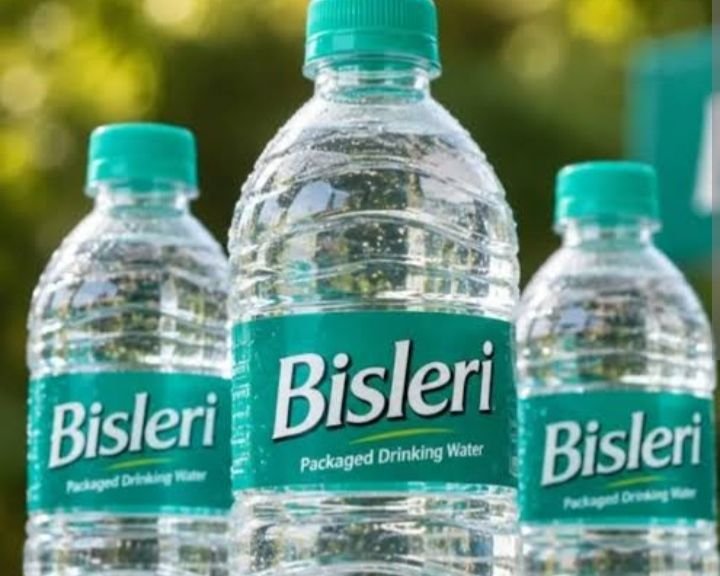
Bromate levels exceeded prescribed limits, while a referral laboratory detected PAHs; company says it maintains strict quality controls and will cooperate with regulator as food safety enforcement widens
One of India’s most recognisable packaged drinking water brands, Bisleri International, is facing prosecution after the Food Safety and Standards Authority of India (FSSAI) declared a regulatory sample of its packaged drinking water unsafe for consumption. The decision follows two rounds of laboratory examination, raising fresh questions about quality control, regulatory oversight and consumer confidence in India’s packaged water industry.
The food safety regulator announced on Sunday that it had authorised prosecution against Bisleri International Pvt Ltd under the Food Safety and Standards Act, 2006. According to FSSAI, a sample of the company’s product, categorised as packaged drinking water other than mineral water, failed to meet the prescribed bromate limits during the initial examination.
The matter did not end with the first laboratory report. After the company exercised its right to appeal, the sample was referred to a designated referral food laboratory for further analysis. The second laboratory also declared it unsafe, reporting the presence of polynuclear aromatic hydrocarbons (PAHs).
FSSAI said the findings from both examinations established violations relating to unsafe food under the 2006 legislation. On this basis, it sanctioned the initiation of prosecution against the company.
Two laboratory findings put water quality under scrutiny
The initial finding concerned bromate, a chemical compound that can be formed as a by-product of certain water disinfection processes. Its presence in drinking water is regulated because excessive exposure can pose health risks.
The prescribed limit for bromate in drinking water is 10 micrograms per litre. Reuters reported that Bisleri acknowledged that a sample collected from its Goa facility last year had shown a bromate level of 12 micrograms per litre. The company, however, said that subsequent independent testing arranged by it found the chemical within prescribed limits.
The second laboratory examination identified polynuclear aromatic hydrocarbons, commonly known as PAHs. These are a group of chemical compounds that can enter the environment through combustion and other industrial processes. Certain PAHs are recognised as potentially toxic, mutagenic or carcinogenic, although the health risk depends on the specific compounds, their concentration and the extent of exposure.
The detection of PAHs in the referral laboratory’s examination provided a separate basis for the regulator’s unsafe-food finding. The two findings have therefore become central to the prosecution decision.
Bisleri says it will cooperate with the regulator
Responding to the development, Bisleri said drinking water safety remained a priority for the company and that it maintained stringent quality-control systems.
The company told Reuters that while the sample from its Goa facility had shown bromate at 12 micrograms per litre against the prescribed limit of 10, further independent tests commissioned by it had found levels within the permitted range. It also said it would cooperate with FSSAI and address the matter through the appropriate regulatory process.
The company’s response is significant because the prosecution sanction now moves the matter beyond a routine inspection or laboratory observation into formal legal proceedings. The allegations and laboratory findings will be subject to the applicable legal process, and the company will have an opportunity to present its defence.
It is also important to distinguish the regulatory finding concerning the tested sample from a conclusion that every Bisleri product or bottle available in the market is unsafe. The reported action relates to the particular regulatory sample examined by the laboratories.
FSSAI expands enforcement against food companies
The action against Bisleri forms part of a wider enforcement drive by FSSAI against food business operators across different categories.
The regulator has also sanctioned prosecution against Vasant Masala Pvt Ltd, Tit-Bit Foods India Pvt Ltd, Mimansa Industries and Asha Confectionery in separate cases involving alleged violations of food safety standards.
In another action, FSSAI suspended the licences of Urmi Lifesciences LLP and Gaur Ayurvedic Store over serious compliance concerns. Asha Confectionery was also directed to recall pre-packaged chocolate-filled cookies after the product was found unsafe. The regulator’s action against the company included findings relating to misbranding and substandard food.
FSSAI has indicated that its enforcement activities during the current calendar year have extended beyond conventional food manufacturers to e-commerce platforms, energy drink producers and alcoholic beverage companies. The broader approach reflects an effort to strengthen oversight across the food supply chain, from manufacturing and labelling to storage, distribution and online sales.
A larger challenge for India’s packaged water market
The action against Bisleri has particular significance because packaged drinking water is widely used by households, travellers, offices, hotels, restaurants and institutions. Consumers often rely on bottled water when access to safe drinking water is uncertain, making regulatory compliance especially important.
India’s packaged water market has expanded considerably, with established brands competing alongside numerous regional manufacturers and smaller bottling units. Maintaining consistent quality across manufacturing facilities, distribution networks and batches is a major responsibility for companies operating in this sector.
The case also highlights the importance of independent laboratory testing and effective enforcement. Water that appears clear and tastes normal cannot necessarily be assumed to meet all chemical and microbiological safety standards. Regular testing, proper treatment processes, hygienic bottling and transparent quality-control systems are essential to protect consumers.
The regulator’s action has also drawn attention to the need for continued sampling of packaged water products across different brands and locations. Reuters reported that FSSAI intended to test additional Bisleri samples nationwide as well as products from other brands.
Consumer confidence will depend on transparency and accountability
The immediate significance of the case lies in the fact that a major packaged water brand has faced prosecution following adverse findings in two laboratory examinations. The longer-term impact will depend on the evidence presented during the legal proceedings, the company’s response and the regulator’s subsequent monitoring.
For consumers, the episode reinforces the importance of buying packaged drinking water from reliable sources, checking the integrity of seals and packaging, and paying attention to product labels and manufacturing details. At the same time, the primary responsibility for ensuring product safety rests with manufacturers and the regulatory authorities.
The wider message is that food safety standards must apply equally to large national brands and smaller businesses. Consumer trust cannot depend solely on brand recognition or advertising claims; it must be supported by verifiable quality standards, regular testing and accountability.
As FSSAI widens its enforcement drive, the Bisleri case could become an important test of how effectively India’s food safety framework protects consumers while ensuring that regulatory action is supported by scientific evidence and due legal process.

