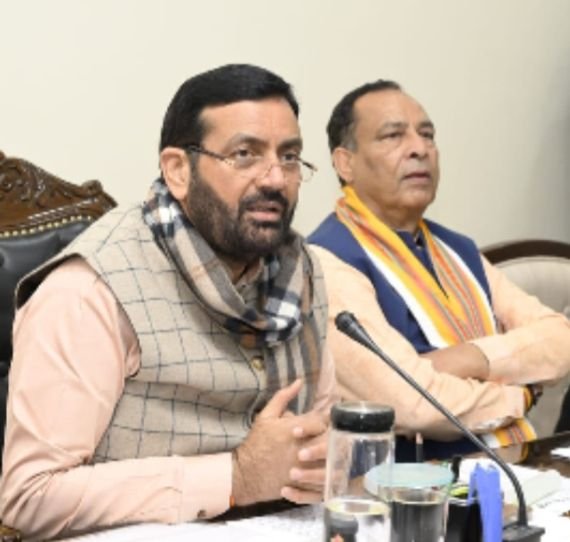
Haryana Chief Minister Nayab Singh Saini has announced the release of a substantial financial support package of ₹380 crore to benefit pearl millet (bajra) farmers under the Bhavantar Bharpai Yojana. This move is part of the state government’s broader commitment to agricultural welfare and the strengthening of farmer incomes. The Chief Minister emphasized the importance of farmer prosperity as central to the overall progress of Haryana’s rural economy and noted that this package is designed to provide immediate relief and long-term support.
Under the scheme, farmers engaged in pearl millet cultivation will receive direct financial assistance, crop insurance support, and subsidies on essential farm machinery. This contemporary approach to agricultural policy reflects the state’s focus on reducing production costs while enhancing productivity. CM Saini also highlighted that the government has already pushed more than ₹1.64 lakh crore directly into farmers’ accounts as part of crop procurement operations, showcasing a systematic and transparent transfer of funds to the agricultural community. In addition, compensation amounting to ₹116.51 crore was paid to 53,821 farmers whose crops suffered damage due to natural calamities during the Kharif 2025 season, underscoring the administration’s responsiveness to weather-related risks.
Officials further pointed out that all 24 crops in the state are now procured at a guaranteed Minimum Support Price (MSP), ensuring farmers are protected from market uncertainties. The government has also prioritized watershed and soil conservation efforts by extending land improvement projects over 1.54 lakh acres under the Haryana Operational Pilot Project. Market reforms are also evident, with 108 agricultural mandis now linked to the e-NAM (National Agriculture Market) platform, creating opportunities for online crop sales and price discovery. A dedicated major produce market at Pinjore has also improved market accessibility for growers across the region. This comprehensive package aims to modernize agriculture, improve market linkages, and secure farmers’ incomes against price and climate volatility.