As winter settles over Haryana, the air quality in several districts has plunged far below safe levels, triggering widespread concern among health experts, environmentalists, and residents. The persistent spike in pollution is not just a seasonal inconvenience—it is an escalating public health emergency that demands urgent and coordinated action.
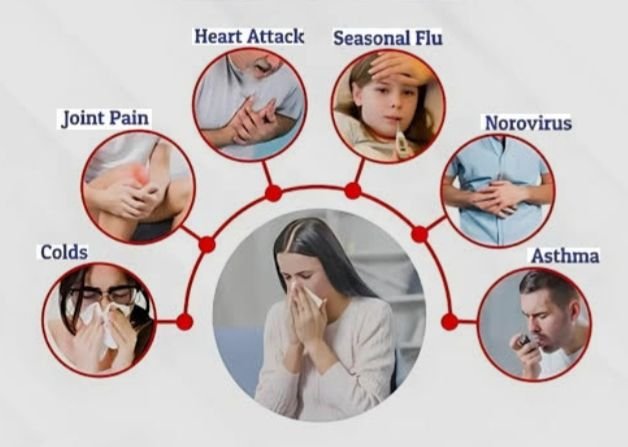
In recent weeks, Air Quality Index (AQI) readings from cities like Gurugram, Faridabad, Hisar, Rohtak, and Sonipat have frequently crossed the “severe” category, signalling dangerously high concentrations of pollutants such as PM2.5 and PM10. These fine particles are small enough to travel deep into the lungs and bloodstream, increasing the risk of respiratory illnesses, heart disease, stroke, and long-term damage to vital organs. Doctors across the state report a visible surge in cases of breathlessness, asthma attacks, chronic cough, burning eyes, and fatigue—especially among children, the elderly, and those with pre-existing conditions.
Experts attribute the worsening smog to a mix of contributing factors: vehicular emissions, industrial discharge, construction dust, burning of agricultural residue, and stagnant winter air that traps pollutants close to the ground. While temporary restrictions—like curbs on construction, enhanced road sprinkling, or vehicle checks—may offer short-term relief, they fail to address the deeper, structural causes of pollution.
Public health specialists warn that continued exposure to such hazardous air can lead to a silent but severe rise in non-communicable diseases. Schools are increasingly being advised to modify outdoor activities, and many families are resorting to air purifiers and masks as daily essentials. However, experts caution that these individual measures are not a substitute for systemic solutions.
Environmental researchers emphasise the need for a long-term, integrated strategy. This includes expanding green cover, implementing stricter industrial compliance, promoting cleaner fuel alternatives, improving public transport, and supporting farmers with sustainable crop management methods to reduce stubble burning. Urban planning must also evolve to include better waste management, dust control, and real-time monitoring of emissions.
For policymakers, this winter’s alarming pollution levels must serve as a definitive wake-up call. Without decisive and sustained action, the health of millions will continue to hang in the balance. And for residents, the crisis highlights the urgent need to adopt cleaner practices, demand accountability, and support policies that prioritise environmental health.
Haryana’s air crisis is not just an environmental issue—it is a human health challenge. Only collective effort, informed policy, and long-term commitment can ensure cleaner winters and a safer future for all.