Home Blog Page 209

पंजाब से लेकर दिल्ली तक महंगाई की मार: वेरका दूध की कीमतों में वृद्धि से आम आदमी की रसोई पर बढ़ा बोझ

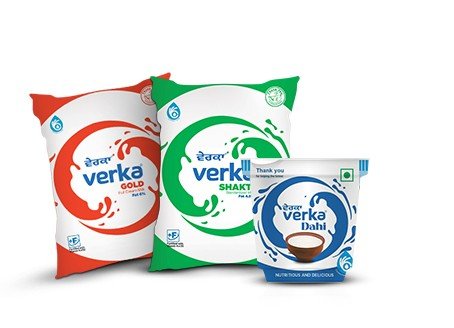
चंडीगढ़/नई दिल्ली: उत्तर भारत के लाखों उपभोक्ताओं के लिए एक और आर्थिक झटका लगा है। लोकप्रिय डेयरी ब्रांड वेरका मिल्क ने अचानक अपने दूध की कीमतों में बढ़ोतरी का ऐलान कर दिया है, जिससे पंजाब, चंडीगढ़, दिल्ली और राष्ट्रीय राजधानी क्षेत्र (NCR) के घरों के बजट पर सीधा असर पड़ेगा। 30 अप्रैल, 2025 की सुबह से वेरका के सभी दूध वेरिएंट्स एक से लेकर चार रुपये तक महंगे हो जाएंगे। कंपनी ने इस वृद्धि के पीछे दूध उत्पादन की लागत और अन्य खर्चों में हुई वृद्धि को मुख्य कारण बताया है।

यह मूल्य वृद्धि ऐसे समय में आई है जब आम आदमी पहले से ही बढ़ती महंगाई से जूझ रहा है। हाल के महीनों में खाद्य पदार्थों और आवश्यक वस्तुओं की कीमतों में लगातार इजाफा देखा गया है, और अब दूध जैसी बुनियादी जरूरत की चीज भी इससे अछूती नहीं रही है। वेरका, जो इस क्षेत्र में एक विश्वसनीय और लोकप्रिय ब्रांड है, के इस कदम से उपभोक्ताओं में निराशा और चिंता का माहौल है।

भारत में दूध सिर्फ एक खाद्य पदार्थ नहीं है, बल्कि यह लाखों लोगों की आजीविका का स्रोत भी है। डेयरी किसान ग्रामीण अर्थव्यवस्था की रीढ़ हैं, और दूध का उत्पादन और वितरण एक जटिल आपूर्ति श्रृंखला है जो देश के दूर-दराज के हिस्सों को जोड़ती है। हालांकि, लागत में वृद्धि का हवाला देते हुए कंपनियों द्वारा कीमतों में बढ़ोतरी का सीधा असर शहरी और अर्ध-शहरी क्षेत्रों के उपभोक्ताओं पर पड़ता है, खासकर मध्यम और निम्न-आय वर्ग के परिवारों पर।

गैर-भारतीय पाठकों के लिए यह समझना महत्वपूर्ण है कि भारत में दूध का सांस्कृतिक और आर्थिक महत्व कितना अधिक है। यह न केवल दैनिक पोषण का एक महत्वपूर्ण हिस्सा है, बल्कि धार्मिक अनुष्ठानों और सामाजिक परंपराओं में भी इसकी गहरी पैठ है। ऐसे में, दूध की कीमतों में मामूली सी वृद्धि भी आम आदमी के घरेलू बजट को महत्वपूर्ण रूप से प्रभावित कर सकती है।

वेरका द्वारा जारी किए गए नए मूल्य चार्ट के अनुसार, फुल क्रीम दूध (500ml) अब 34 रुपये की जगह 35 रुपये में मिलेगा, जबकि एक लीटर के पैक की कीमत 67 रुपये से बढ़कर 69 रुपये हो गई है। इसी तरह, स्टैंडर्ड, टोंड और डबल टोंड दूध के 500ml और 1 लीटर के पैकों की कीमतों में भी एक से दो रुपये की वृद्धि की गई है। सबसे ज्यादा असर 2 लीटर के फुल क्रीम दूध के पैक पर पड़ा है, जिसकी कीमत में सीधे 4 रुपये का इजाफा हुआ है। हालांकि, कुछ छोटे और विशेष वेरिएंट्स जैसे 200ml डबल टोंड मिल्क और स्किम्ड मिल्क (500ml) की कीमतों में कोई बदलाव नहीं किया गया है।

यह देखना दिलचस्प होगा कि वेरका के इस कदम का अन्य डेयरी कंपनियों पर क्या प्रभाव पड़ता है। क्या वे भी आने वाले दिनों में कीमतों में वृद्धि करने के लिए प्रेरित होंगी? और सबसे महत्वपूर्ण बात यह है कि सरकार इस बढ़ती महंगाई को नियंत्रित करने के लिए क्या कदम उठाती है ताकि आम आदमी पर पड़ने वाले इस आर्थिक बोझ को कम किया जा सके। दूध की कीमतों में यह वृद्धि निश्चित रूप से आने वाले दिनों में राजनीतिक और सामाजिक बहसों को जन्म देगी, क्योंकि यह सीधे तौर पर लोगों की दैनिक जीवनशैली और खर्च करने की क्षमता से जुड़ा हुआ है।

Disclaimer: This news article is based on information available as of April 29, 2025, and the situation may evolve.

#IndiaEconomy #MilkPriceHike #InflationConcerns #ConsumerImpact #VerkaMilk
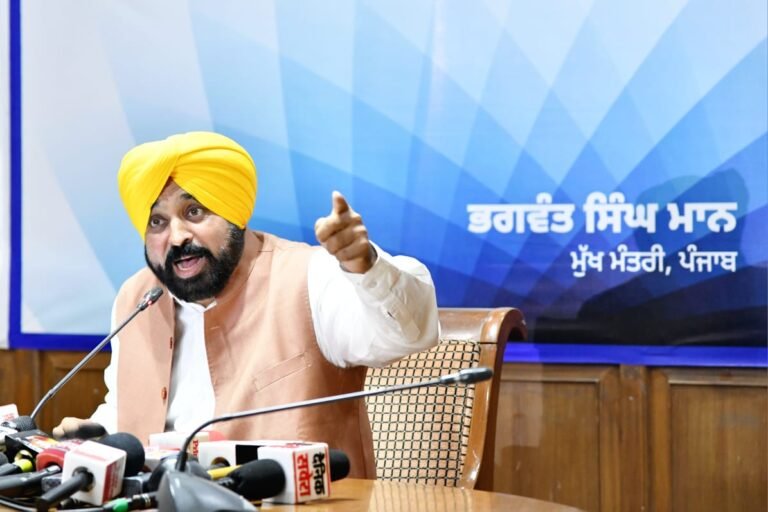
Punjab’s Last Stand Against Drugs: Inside the Grassroots Movement to Reclaim a Generation

0

In the heart of India’s northwestern state of Punjab, a region once celebrated for its agricultural prosperity and resilient communities, a more harrowing reality has taken root in recent decades — a devastating drug crisis that has ravaged families, hollowed out villages, and stolen the promise of countless young lives. Now, the state’s leadership is signaling it’s ready for a final, decisive confrontation.

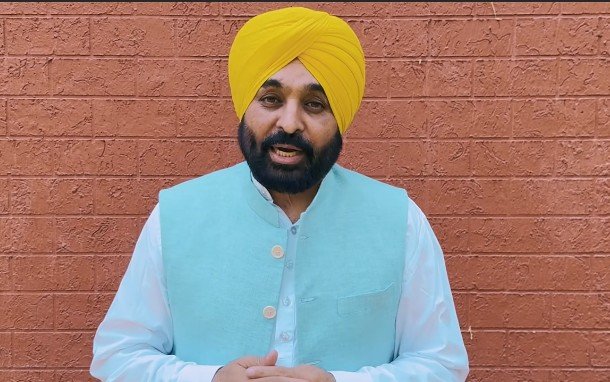
Launching in May 2025, the Punjab government — under the leadership of Chief Minister Bhagwant Singh Mann — is set to roll out a statewide anti-drug campaign dubbed the “Nasha Mukti Yatra”, or March to Freedom from Intoxication. Unlike conventional top-down enforcement models, this campaign is being engineered as a ground-up people’s movement, one that seeks to unite village elders, local councils, and ordinary citizens in a mass mobilization effort designed to confront the narcotics scourge head-on.

“The war against drugs must be won by the people, not just the police,” Chief Minister Mann stated in a recent address, emphasizing the importance of community-led vigilance and rehabilitation over punitive measures alone. The campaign, which will span May and June, is expected to touch every village and urban ward across Punjab — one of India’s most affected regions in terms of substance abuse.

The strategy is as ambitious as it is urgent. From May 2 to May 4, district-level meetings will mark the official launch of the initiative. These meetings will be hosted in collaboration with Village Defence Committees (VDCs) — grassroots civilian groups tasked with monitoring community health and safety — as well as local elected representatives and administrative officials. The aim: to transform awareness into action, and action into sustained resistance.

For villages that currently lack active VDCs, the government has issued instructions to immediately form such committees. In urban areas, their counterparts — Ward Defence Committees (WDCs) — are being set up to mirror this structure. Each district’s kick-off meeting will be chaired by a cabinet minister, underscoring the campaign’s political and moral seriousness.

But the real test begins on the ground. Starting May 7, the Nasha Mukti Yatra will traverse Punjab’s deeply scarred rural and urban terrain. In each village and ward, community gatherings will be organized, bringing together VDC and WDC members, elected leaders such as sarpanches (village heads), police officers, health workers, and — crucially — citizens. At the heart of these meetings will be dialogue, solidarity, and a shared commitment to eradicating drugs from their midst.

While critics may see echoes of previous anti-drug campaigns that failed to move beyond token gestures, observers note key differences this time. The Mann administration is betting on sustained grassroots momentum rather than short-term state intervention. “This isn’t a government photo-op,” said one senior official. “This is about rebuilding a culture of resistance, one village at a time.”

Punjab’s opioid epidemic has long defied easy solutions. Fuelled by a nexus of poverty, unemployment, porous borders, and ineffective enforcement, the crisis has overwhelmed families and strained public institutions. According to a 2019 study by the Post Graduate Institute of Medical Education and Research (PGIMER), nearly one in six adult males in the state had used heroin or other opioids — an astonishingly high figure that illustrates the scale of the challenge.

Behind every statistic lies a story of personal tragedy. Parents who bury their children in their twenties. Farmers who sell land to fund rehab. Young people who disappear into addiction’s shadow and never return. It is this landscape that the Nasha Mukti Yatra seeks to illuminate and ultimately transform.

What distinguishes the campaign is not only its reach but its emotional architecture — its reliance on human relationships, community trust, and local leadership. “We want the VDCs and sarpanches to be more than administrators,” Mann has said. “We want them to be guardians of their youth.”

Still, the campaign’s success will depend on more than goodwill. Experts caution that awareness must be matched by access to rehabilitation services, job creation for recovering addicts, and strict disruption of narcotics supply chains. The involvement of law enforcement remains critical, particularly in districts known as trafficking hubs. In this sense, the Nasha Mukti Yatra is both a symbolic gesture and a logistical challenge — a movement that walks the fine line between hope and realism.

Yet in villages where silence has long reigned — where drug use is spoken of in hushed tones or ignored altogether — even a conversation is progress. And if this campaign manages to spark thousands of such conversations, its legacy may extend well beyond the summer of 2025.

For a state that has lost so much, this could be the beginning of its long-awaited healing.

#PunjabFightsDrugs #NashaMuktiYatra #EndDrugAbuse #GrassrootsMovement #CommunityHealth

This is an auto web generated news web story.

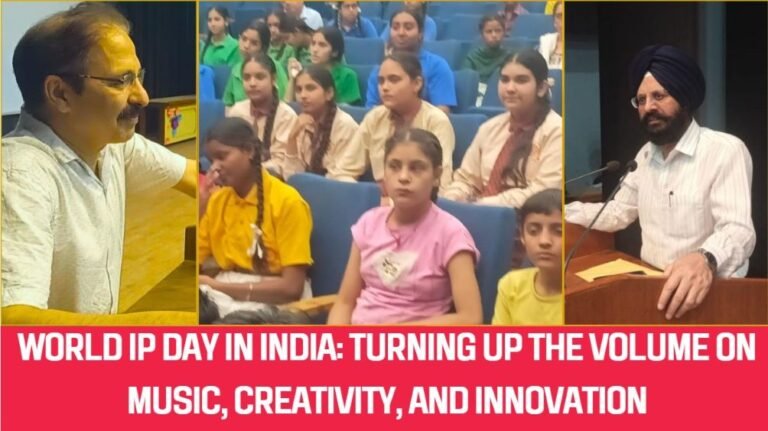
World IP Day in India: Turning Up the Volume on Music, Creativity, and Innovation

0

In a world increasingly driven by creativity, where digital media races ahead of regulation and artificial intelligence blurs the boundaries of originality, the protection of ideas has never been more vital. On April 30, in the heart of India’s Punjab state, Pushpa Gujral Science City marked World Intellectual Property Day with a vibrant seminar that underscored this very ethos — celebrating the beating heart of human creativity through the lens of intellectual property (IP), with a particular focus on the music industry.

This year’s global theme, “IP and Music: Feel the Beat of IP,” served as a powerful backdrop to a day of conversations, insights, and awareness-building that united over 200 students and educators. Held in the city of Kapurthala near Chandigarh, the event became a local echo of an international call to action: protect what we create, reward originality, and build an innovation-driven future.

Safeguarding Ideas in a Digital World

At the center of the discussion was Dr. Rajesh Grover, Director of Pushpa Gujral Science City (PGSC), who delivered a passionate address on the foundational role intellectual property plays in shaping the future of knowledge economies. “Inventions and creative ideas are the fuel of today’s global marketplace,” he said. “And intellectual property rights act as a protective shield, empowering creators while deterring misuse.”

Grover’s remarks resonate far beyond India. As economies pivot toward services and knowledge-based industries, the value of intellectual property has soared. The World Intellectual Property Organization (WIPO) reports that intangible assets now account for the majority of company value in major global markets — from the patents behind life-saving pharmaceuticals to the copyrights that sustain global entertainment empires.

For developing nations like India, where music, film, literature, and design industries are growing rapidly, the ability to protect creative work is not just a legal issue — it’s an economic imperative. India’s IP framework has made notable progress in recent years, but challenges remain, particularly in enforcement and education.

Music, Monetization, and the Internet Age

Joining the conversation was Dr. Balwinder Singh Sooch, Director of the Entrepreneurship, Innovation, and Career Hub at Punjabi University, Patiala. With clarity and accessible storytelling, he navigated the audience through this year’s theme — one especially relevant to today’s digital-native generation.

Sooch illustrated how digital platforms have revolutionized music creation and consumption, but also exposed creators to unprecedented levels of unauthorized use. “Musicians are entrepreneurs now,” he said. “They don’t just perform — they manage brands, copyright licenses, online streams, and royalties.” For many artists, particularly emerging ones, IP protection is the difference between thriving and vanishing into the noise.

As music becomes more democratized — anyone with a smartphone and an internet connection can be a global artist — the need to understand intellectual property becomes even more critical. From copyright registration to the use of trademarks in branding, Sooch broke down the tangible steps creators can take to secure their rights. He also introduced students to the broader universe of IP protection — including patents, industrial designs, and geographical indications — showing how these tools impact not just artists but scientists, entrepreneurs, and farmers alike.

Inspiration Meets Information

The seminar was more than an academic exercise. It was a call to young minds to embrace creativity with the confidence that the law can be an ally. For students attending from nearby institutions, it provided a rare but necessary immersion into a subject often overlooked in conventional curriculums.

“This is something I always thought was just for big companies or tech start-ups,” said a college student after the session. “But now I realize it’s for anyone with an idea worth protecting.”

The World Intellectual Property Day observance in Kapurthala was a microcosm of the global challenge — and opportunity — surrounding creative rights. As music and other forms of cultural expression become borderless, the structures that protect them must evolve and educate. Events like this don’t just inform the public; they inspire the next generation of creators to understand that behind every song, invention, or artwork lies a right — one that deserves recognition, respect, and reward.

In an age where artificial intelligence can compose melodies and remix voices with uncanny precision, the role of IP law becomes even more crucial — not to stifle progress, but to ensure that those who create remain at the center of cultural and economic value.

#WorldIPDay #IntellectualProperty #MusicRights #InnovationMatters #DigitalCreativity

This is an auto-generated news web feature for international syndication.

Water Wars in India’s North: Punjab Refuses Extra Allocation to Haryana Amid Depleting Resources

0

Saptrishi Soni: 

In the sun-scorched plains of northern India, water is more than a resource — it is a legacy, a lifeline, and increasingly, a battleground. This week, the decades-old debate over river water sharing between the Indian states of Punjab and Haryana resurfaced with renewed intensity. Punjab Chief Minister Bhagwant Singh Mann has unequivocally refused to release additional water to neighbouring Haryana, alleging that the Bharatiya Janata Party (BJP)-led central government is unfairly pressuring his state for political gain.

Speaking from Chandigarh on Tuesday, Mann accused the Union government of manipulating federal institutions like the Bhakra Beas Management Board (BBMB) to coerce Punjab into releasing more water than its agreed quota. “I am the custodian of Punjab’s waters,” Mann asserted, “and I will not let a single extra drop go.”

At the heart of this conflict lies the fragile hydrological balance of the region. Punjab and Haryana, along with Rajasthan, share water allocations from a system regulated annually from May 21 to May 21. According to Mann, Haryana has already exhausted 103% of its assigned quota—an overreach, he says, that underscores poor water management rather than genuine scarcity. The Chief Minister confirmed that Punjab, despite its own needs, had already provided 4,000 cusecs of water to Haryana on humanitarian grounds to meet drinking water requirements.

But Mann insists the line must be drawn. With canal upgrades and the onset of the crucial paddy season—an agricultural window that defines the region’s food security—Punjab’s own farmers, he says, are now in dire need. Water levels in the state’s major reservoirs are worryingly low. The Ranjit Sagar Dam and the Pong Dam, both vital sources for irrigation and power, are reportedly 39 feet and 24 feet below their respective levels from the previous year.

For readers unfamiliar with the region, Punjab and Haryana were carved from the same larger state in 1966. While culturally similar, the two have long been at odds over the distribution of water, particularly from rivers like the Ravi and Beas. These tensions have only deepened over time, with the controversial and yet incomplete Sutlej-Yamuna Link (SYL) canal symbolizing the unresolved water disputes between the two states.

Mann’s defiant stance carries both historical and political resonance. Previous Punjab administrations, he alleged, had conceded water under political duress to appease the BJP, which currently holds federal power. But his government, led by the Aam Aadmi Party (AAP), has pledged to uphold Punjab’s rights. In a striking shift from state-versus-state rhetoric, Mann also turned the lens toward international diplomacy, suggesting that the Indian government should cancel the Indus Waters Treaty with Pakistan — a 1960 agreement brokered by the World Bank — and instead redirect waters from rivers like the Chenab and Jhelum for use in India’s northern states.

Such remarks, while provocative, underscore the complexity of the water crisis in India. The Indus Waters Treaty has long been regarded as a successful, albeit fragile, model of water-sharing between two hostile neighbours. Any move to revoke it would carry significant geopolitical consequences, including increased tensions with Pakistan and scrutiny from international observers.

At its core, the Punjab-Haryana standoff is a reflection of India’s deeper, looming water crisis. Climate change has exacerbated monsoon unpredictability, and over-reliance on groundwater has left many districts — particularly in Punjab — critically overexploited. As Mann noted, more than 70% of the state’s administrative blocks are now classified as “dark zones,” meaning groundwater extraction far exceeds recharge.

The implications go far beyond state borders. Punjab is a cornerstone of India’s national food security, contributing over 185 million tonnes of paddy to the central pool. Without adequate water, its ability to sustain this output is under threat. At the same time, Haryana too plays a key role in grain production and industrial development, and its growing urban population has increased pressure on already strained resources.

As political barbs fly and reservoirs dip, India’s water-sharing mechanisms—many of which date back to colonial times—are showing signs of stress. In the absence of a unified national water policy with enforceable legal mechanisms, state-level clashes are becoming more frequent and volatile.

For now, Mann is drawing a firm line: no more water, no compromises, and no room for what he calls “nefarious designs.” Whether this stance protects Punjab’s farmers or escalates regional tensions remains to be seen. What is certain, however, is that in India’s rapidly warming and drying landscape, water diplomacy is no longer optional — it is imperative.

#IndiaWaterCrisis #PunjabHaryanaDispute #ClimateAndConflict #RiverRights #AgricultureUnderThreat

This is an auto-generated news web feature for international syndication.

Punjab’s Zero-Drug Deadline: DGP Gaurav Yadav Declares War on Narcotics with May 31 Ultimatum

0

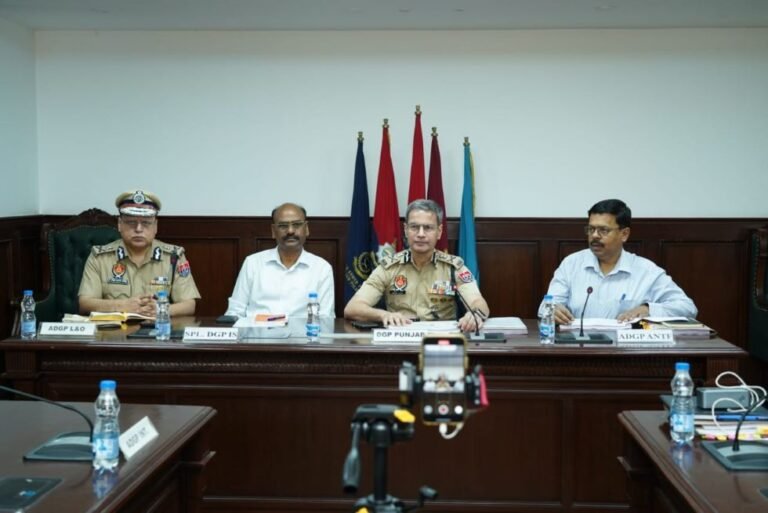
In Punjab, India’s agricultural heartland long plagued by a growing narcotics crisis, a decisive battle is being drawn against drug trafficking. On Tuesday, in a sweeping move emblematic of the state’s intensified crackdown, Punjab’s Director General of Police (DGP) Gaurav Yadav issued a high-stakes ultimatum: all district police heads must ensure drugs vanish from the streets by May 31 — or face disciplinary consequences that could reach down to the Station House Officer (SHO) level.

Chaired from the police headquarters in Chandigarh, the high-level review meeting brought together senior officers, including Special DGP (Internal Security) R.N. Dhoke and top brass from the state’s Anti-Narcotics Task Force (ANTF). The urgency of the moment was unmistakable. For a state that has wrestled for years with the scars of addiction and a well-entrenched drug mafia, this meeting marked a pivotal moment in Punjab’s ongoing campaign dubbed “Yudh Nashian Virudh” (War Against Drugs).

The campaign, now in its third month, has already netted close to 8,000 drug-related arrests. Thousands of kilograms of narcotics — including heroin, opium, and synthetic pills — have been seized. But Yadav made it clear that the focus moving forward will be less about numbers and more about lasting impact: dismantling the supply networks, disrupting cartels, and bringing top operatives — the so-called “big fish” — to justice.

“We are not chasing figures,” Yadav emphasized. “Our mission is to make drugs unavailable in Punjab — to destroy their circulation on the street level by attacking their entire ecosystem.”

For observers both within and beyond India, the urgency surrounding Punjab’s drug crisis may come as no surprise. The state, known for its lush wheat and paddy fields, has for over a decade grappled with one of the most serious drug epidemics in South Asia. A 2015 government study found that more than 860,000 people in the state were dependent on drugs, with synthetic opioids and heroin topping the list. The problem has seeped deep into rural communities, prison populations, and even security forces.

In this latest push, DGP Yadav has made accountability the cornerstone of the campaign. From city commissioners to rural police chiefs, every officer will be evaluated on the effectiveness of their strategy and operations — not only by crime data but also through public feedback and intelligence inputs. Officers who perform well will be rewarded; those who fall short will be held accountable.

During the marathon three-hour review session, police leaders presented granular plans to eradicate drugs from their respective jurisdictions. Field officers also exchanged best practices on deploying advanced surveillance tools, tracking digital footprints, and leveraging human intelligence to catch traffickers who increasingly rely on burner phones, encrypted messages, and multi-tiered networks to evade detection.

The police have zeroed in on 755 so-called “hotspots” — areas where drug availability and usage are chronically high. These vulnerable zones are being subjected to repeated and targeted operations, often carried out without warning, in order to choke off access to supply chains.

But this fight is not being waged by the police alone. Yadav underscored the importance of inter-departmental collaboration, with health and education ministries now deeply involved in both preventive and rehabilitative efforts. More de-addiction centers are being opened across the state, and awareness campaigns in schools and colleges are helping steer youth away from addiction pathways.

Perhaps the most community-driven aspect of the strategy is the Safe Punjab Anti-Drug Helpline, a confidential hotline allowing citizens to anonymously report traffickers. Operatives working the helpline process tips daily — each one monitored at the highest levels of state government. According to Yadav, Chief Minister Bhagwant Singh Mann himself reviews its progress regularly, a sign of the political will backing the operation.

Still, experts caution that deadlines in such deeply rooted social crises can be double-edged swords. While they instill urgency, they also risk superficial compliance — where focus on optics might override long-term rehabilitation and structural reform. But Yadav appears conscious of this balance. The emphasis, he said, is not on arbitrary seizures or inflated arrest records, but on what he described as “breaking the back” of the drug economy in Punjab.

The numbers since March 1 reflect both the scale of the crisis and the state’s determination: 4,930 FIRs filed under India’s Narcotic Drugs and Psychotropic Substances (NDPS) Act, 7,889 smugglers arrested, 325 kilograms of heroin seized, along with tens of lakhs of pharmaceutical pills, poppy husk, ganja, and over ₹8 crore (approximately $960,000) in illicit cash recovered.

As the May 31 deadline approaches, pressure is mounting on law enforcement to deliver not just seizures but a sense of transformation. In a region where generations have been lost to addiction, where families have buried sons and futures have been blunted, the promise of a drug-free Punjab is both a moral and social imperative.

Whether this zero-tolerance drive achieves enduring results remains to be seen. But for now, the message from Punjab’s top cop is clear — the state is done negotiating with narco-networks. “Zero on the streets,” Yadav said. “Zero in tolerance.”

#PunjabDrugWar #IndiaFightsAddiction #NarcoticsCrisis #ReformAndRescue #WarOnDrugs

This is an auto-generated news web feature for international syndication.

A Family’s Grief, a Community’s Questions: The Unresolved Death of Indian Student Vanshika Saini in Canada

0

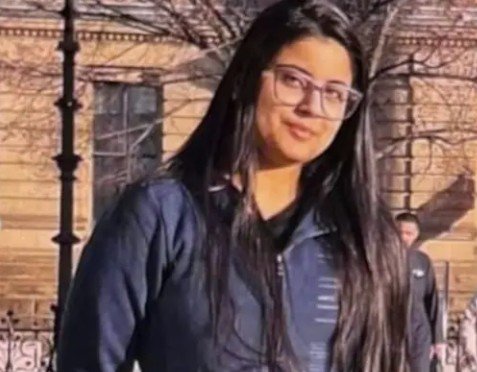
Vanshika Saini: her death clouded by questions, pain, and allegations of foul play.

Her sudden death has sparked deep concern not just in India, but also within Canada’s Indian diaspora, drawing attention to the vulnerabilities faced by international students navigating foreign educational systems, cultural isolation, and at times, a lack of institutional safety nets.

When 21-year-old Vanshika Saini left her home in Dera Bassi, a town in northern India’s Punjab state, to pursue higher education in Canada, she carried with her the hopes of an ambitious young woman and the dreams of a family that believed in her limitless potential. Two and a half years later, her body was discovered on a beach in Ottawa, miles away from home — her death clouded by questions, pain, and allegations of foul play.

“We don’t believe she could ever take her own life,” said Babita, Vanshika’s aunt, through tears. “Someone has killed her.” Her words, translated from Hindi, resonate with the disbelief that has gripped the Saini family since April 25 — the last night Vanshika was seen alive.

Her sudden death has sparked deep concern not just in India, but also within Canada’s Indian diaspora, drawing attention to the vulnerabilities faced by international students navigating foreign educational systems, cultural isolation, and at times, a lack of institutional safety nets.

Vanshika, the daughter of Devinder Singh Saini — a local political figure associated with Punjab’s Aam Aadmi Party — had traveled to Canada with a clear goal: to complete a diploma and eventually pursue a career in medicine. Family members describe her as determined, cheerful, and meticulous. She had just completed her final exams and was preparing for the IELTS, a key English-language proficiency test, scheduled for April 26.

But when she failed to show up for the exam — something her relatives say was entirely out of character — concern turned to alarm. Vanshika’s phone had been switched off the night before. Her online activity, later revealed through YouTube history, indicated she was reviewing IELTS-related content until nearly 11 p.m. Then, silence. Her phone’s last known location, according to relatives, pinged near a park close to her Ottawa residence.

By Monday morning, the family received a devastating call: Vanshika’s body had been discovered on a local beach. The cause of death remains undetermined, and Ottawa police have launched an active investigation. Authorities have yet to release further details, pending post-mortem reports and forensic analysis.

The Indian High Commission in Ottawa has expressed condolences and pledged assistance to the bereaved family. “We are deeply saddened to be informed of the death of Ms. Vanshika, student from India in Ottawa,” the mission said in a statement, adding that it was in contact with both Canadian authorities and the local Indian community.

Vanshika’s story is sadly not isolated. Canada is home to over 800,000 international students, with a significant proportion coming from India. Many of them are young, away from home for the first time, and under immense academic, financial, and emotional pressure. While the vast majority find opportunity and stability, stories like Vanshika’s highlight the darker, often hidden vulnerabilities faced by these students — including mental health challenges, social alienation, and lack of support in times of distress.

What makes Vanshika’s case particularly resonant is not just the mystery surrounding her death, but also the life she represented: the aspirations of a young woman who came from a politically active family, armed with the belief that education abroad would secure her future and elevate her family’s standing back home.

For now, her parents and extended relatives are focused on bringing her body back to India. Yet, they are also calling for a transparent probe, alleging negligence and demanding accountability. The emotional toll is heavy. Vanshika’s aunt, still visibly shaken, recounts the girl’s relentless focus and desire to succeed. “She wanted to be a doctor, to build something for herself and make us all proud,” she said. “She was full of life.”

In both India and Canada, the outcry around Vanshika’s death is prompting renewed calls for student safety protocols, stronger oversight, and mental health support systems in colleges and universities. For families sending their children abroad — often at great financial and emotional cost — such tragedies serve as haunting reminders that success stories can just as easily become stories of loss.

As the investigation continues, Vanshika Saini’s name joins a growing list of international students whose untimely deaths leave more questions than answers. But to her family and those who knew her, she remains far more than a headline. She was their Vanshu — driven, loving, and irreversibly missed.

#JusticeForVanshika #IndianStudentsAbroad #OttawaNews #DiasporaVoices #MentalHealthMatters

This is an auto web generated news web story.

Jagmeet Singh’s Fall Marks End of an Era for Canada’s NDP Amid Diplomatic Tensions and Political Upheaval

0

Pro-Khalistan Leader Jagmeet Singh Loses Canada Polls

NDP leader Jagmeet Singh has resigned after losing the Burnaby Central seat in Canada elections. Singh’s party also faced a decline and was set to lose its national status.

Saptrishi Soni: In an election dominated by trade tensions with the United States and growing scrutiny of nationalist rhetoric, one of Canada’s most visible political figures, Jagmeet Singh, has resigned from leadership of the New Democratic Party (NDP) after failing to secure his parliamentary seat and witnessing his party plummet to a historic low. The stunning defeat not only reshapes Canada’s political landscape but also opens a potential new chapter in the strained relationship between Ottawa and New Delhi.

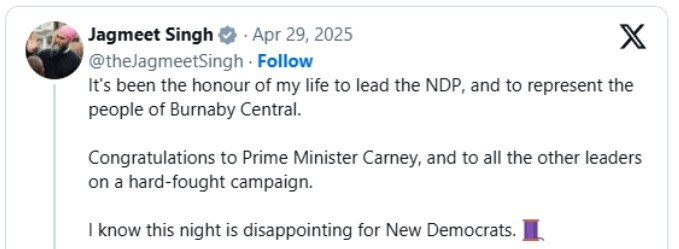
Singh, a charismatic and controversial figure in Canadian politics, lost the Burnaby Central seat in British Columbia to Liberal candidate Wade Chang, garnering only 27 percent of the vote compared to Chang’s commanding 40 percent. For Singh, who was seeking a third term and had led the NDP since 2017, the loss was both personal and political — and ultimately terminal. Hours after the results came in, he announced his resignation, conceding that the party had not lived up to expectations.

“I know this night is disappointing for New Democrats,” Singh wrote on social media, before pivoting to a defiant message of hope. “We are only defeated when we believe those that tell us we can never dream of a better Canada.”

But beyond rhetoric, the numbers spoke louder. Under Singh’s leadership, the NDP’s once-promising role as a progressive force in federal politics has dwindled. From its past position as a potential kingmaker, the party was relegated to a distant fourth place in the 2025 elections, securing just seven seats — far below the 12 required to maintain national party status. By contrast, the Bloc Québécois claimed 23 seats, the Conservatives 147, and the governing Liberals 165.

Singh’s political career has long been marked by both historic milestones and simmering controversy. The first person of a visible minority background to lead a major federal political party in Canada, Singh brought with him a fresh, modern image — fluent in digital campaigning, unapologetically progressive on climate and inequality, and a visible symbol of multiculturalism in the Canadian mainstream. Yet that same visibility attracted scrutiny, especially as Singh became increasingly vocal in his support for the Khalistan movement — a Sikh separatist campaign long designated as extremist by India.

His repeated, unverified claims accusing Indian agents of involvement in the 2023 killing of Hardeep Singh Nijjar — a Canadian citizen and pro-Khalistan figure — deepened the diplomatic standoff between India and Canada, already strained under then-Prime Minister Justin Trudeau. Both leaders had made public allegations linking New Delhi to the incident, prompting a breakdown in trade talks and the expulsion of diplomats on both sides.

While Singh insisted his stance was rooted in human rights advocacy, critics both at home and abroad viewed his rhetoric as politically combustible. Indian officials denounced the allegations as baseless, while many Canadians began to question whether such positions undermined national interests. With Trudeau no longer at the helm and Singh’s defeat signaling a decisive voter rejection, analysts suggest this moment may offer a rare opening for Ottawa and New Delhi to quietly reset their relationship.

The Liberal Party, under newly re-elected Prime Minister Mark Carney, has yet to outline its position on Indo-Canadian relations in a post-Trudeau landscape. However, observers in both capitals suggest that Singh’s departure could reduce a key source of friction, potentially easing the path toward renewed diplomatic dialogue.

For Singh, whose identity as a turban-wearing Sikh made him a powerful symbol of inclusive politics, the exit from Parliament and the national stage is a poignant moment. Though he emphasized in his farewell remarks that the NDP had “built the best of Canada” and that “we aren’t going anywhere,” few can deny that his vision for a more left-leaning, activist Canada now faces steep challenges — both in terms of public trust and political viability.

The coming weeks will likely determine whether the NDP can recover its footing under new leadership, or whether this election marks the party’s retreat from national relevance. What is clear is that Singh’s fall from political prominence closes one of the most turbulent chapters in recent Canadian politics, and leaves behind a legacy as complex as the man himself — one shaped by progressive ideals, polarizing geopolitics, and an unflinching belief in a better tomorrow.

#JagmeetSingh #CanadaElection #KhalistanControversy #IndoCanadaRelations #NDP2025

This is an auto web generated news web story.

Canada’s Liberal Victory Signals a Fragile Mandate Amid Rising Tensions with Trump’s America

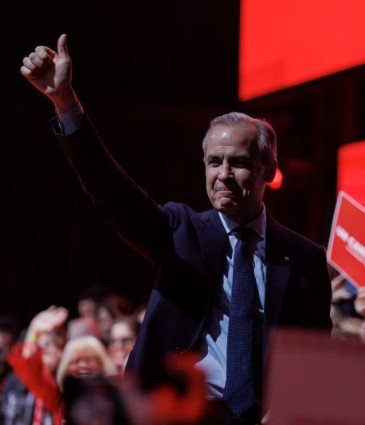
Saptrishi Soni : In a closely watched election that unfolded against the backdrop of an escalating economic standoff with the United States, Canada’s Liberal Party, led by Prime Minister Mark Carney, emerged victorious on Monday — but fell short of securing a definitive majority. While the result reaffirms Carney’s political relevance and offers a platform to confront a turbulent Washington, it also exposes the fragile mandate with which he must now navigate one of the most volatile chapters in the modern Canada–US relationship.

Early projections from Canadian broadcasters CTV and CBC showed the Liberals leading or elected in 165 of the country’s 338 electoral districts — seven seats short of the 172 needed for a majority in the House of Commons. The opposition Conservative Party, led by Pierre Poilievre, conceded with 147 seats, while the separatist-leaning Bloc Québécois and Jagmeet Singh’s New Democratic Party (NDP) secured 23 and 7 seats respectively.

The election was deeply shaped by external forces — chiefly the protectionist posturing and trade belligerence of US President Donald Trump. In an election-day message that stunned many in Ottawa, Trump renewed his threat of tariffs on Canadian goods and made vague references to annexation, a rhetorical provocation that critics say echoes a broader pattern of nationalist brinkmanship. Carney, an economist-turned-politician who once served as the Governor of the Bank of England, had framed the vote as a crucial step to gaining the authority needed to “defend Canada’s sovereignty” in an era of economic uncertainty and diplomatic strain.

Addressing supporters in the capital after the results, Carney struck a defiant but measured tone. “We must never forget the lessons of betrayal from our closest neighbor,” he said, in what analysts interpreted as an unusually sharp rebuke directed at the Trump administration. “We will win this trade war,” he added, though he cautioned Canadians to brace for “challenging” days ahead.

Trump’s relationship with Canada has veered from transactional to openly confrontational. His administration’s previous renegotiation of the North American Free Trade Agreement (NAFTA), now recast as the USMCA, exposed structural imbalances and triggered nationalist sentiment on both sides of the border. The latest wave of proposed tariffs and annexation rhetoric — the details of which remain ambiguous — has further fueled anxiety in Canada’s political establishment.

The geopolitical undercurrent shaped much of the Liberal campaign strategy, which emphasized national unity, economic resilience, and reassertion of Canadian identity in global trade. But the party’s inability to clinch a majority raises questions about whether voters are fully aligned behind Carney’s combative approach. Many Canadians, still weary from the pandemic’s economic aftershocks, remain divided on how to best manage the country’s largest trading relationship without igniting a deeper economic crisis.

Conservative leader Poilievre, who had previously advocated for a more conciliatory posture toward Washington, accepted the results with a pledge to cooperate. “We will always put Canada first,” he told supporters, adding that his party would work with the Liberals and other groups to “get a new trade deal that puts these tariffs behind us while protecting our sovereignty.”

International observers are closely watching Canada’s next steps, as the country is increasingly cast into the role of testing ground for how middle powers can respond to assertive neighbors. With climate change, economic decoupling, and democratic backsliding reshaping global alliances, Ottawa’s response to Trump’s threats could set the tone for similar dynamics elsewhere.

For Carney, the coming months will be a delicate dance: maintaining Canada’s economic stability, repairing trade ties, and rallying a Parliament that reflects a fragmented political consensus. But for now, the Liberals have earned another shot at leading — if not from a position of strength, then at least with clarity of purpose.

#CanadaElection #MarkCarney #USCanadaTrade #TrumpTariffs #GlobalDiplomacy

This is an auto web generated news web story. Pic courtesy Net 

हिमाचल के तराई क्षेत्रों में समय से पहले गर्मी का प्रकोप, मई की शुरुआत में मिलेगी राहत की उम्मीद

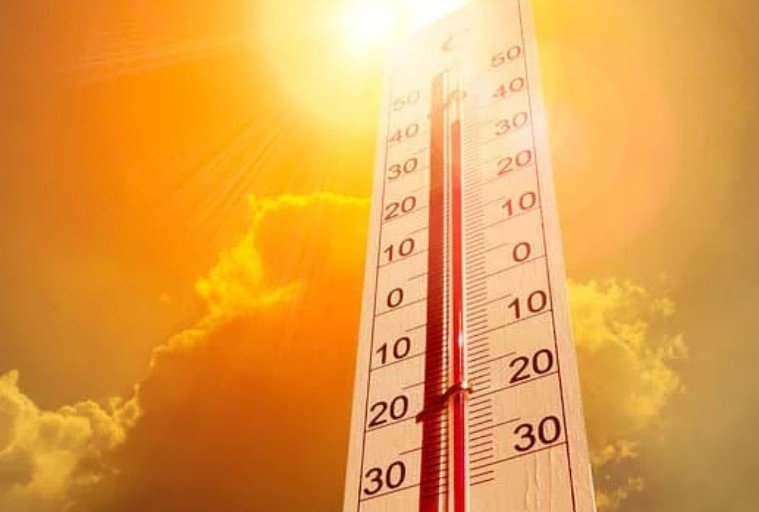
हिमाचल प्रदेश, जो आमतौर पर अपने ठंडे और सुहावने मौसम के लिए जाना जाता है, इस बार अप्रैल के अंत में ही भीषण गर्मी की चपेट में आ गया है। खासकर राज्य के मैदानी और तराई क्षेत्रों में तापमान तेजी से बढ़ रहा है। ऊना का तापमान इन दिनों राष्ट्रीय राजधानी दिल्ली के बराबर 40 डिग्री सेल्सियस से ऊपर दर्ज किया गया है। वहीं, मंडी में भी पारा 37 डिग्री के आसपास पहुंच चुका है। यह असामान्य तापमान न केवल स्थानीय निवासियों बल्कि पर्यटकों के लिए भी चिंता का विषय बन गया है, जो आमतौर पर गर्मी से राहत पाने के लिए इन पहाड़ी इलाकों का रुख करते हैं।

भारत मौसम विज्ञान विभाग (IMD) के शिमला केंद्र ने प्रदेश के तराई क्षेत्रों के लिए अगले तीन दिनों तक हीटवेव का येलो अलर्ट जारी किया है। मौसम विभाग के अनुसार, मंडी और सुंदरनगर जैसे क्षेत्रों में लू चलने के संकेत स्पष्ट रूप से देखे जा सकते हैं। दोपहर के समय गर्म हवाएं लोगों को घरों में ही रहने पर मजबूर कर रही हैं और तापमान की यह स्थिति फिलहाल राहत के संकेत नहीं दे रही। हालांकि, उम्मीद है कि 1 मई से मौसम में बदलाव आएगा और तापमान में थोड़ी गिरावट के साथ कुछ स्थानों पर बारिश तथा आंधी-तूफान का असर देखने को मिलेगा।

प्रदेश के स्वास्थ्य विभाग और स्थानीय प्रशासन ने लोगों को लू से बचाव के लिए सतर्क रहने की सलाह दी है। विशेषज्ञों का मानना है कि जलवायु परिवर्तन का यह प्रभाव सिर्फ अस्थायी नहीं बल्कि आने वाले वर्षों में एक स्थायी चुनौती के रूप में सामने आ सकता है। इसलिए इससे निपटने के लिए सामूहिक स्तर पर रणनीति विकसित करना अत्यंत आवश्यक है। इस असमय और तीव्र गर्मी ने न केवल कामकाजी लोगों की दिनचर्या पर असर डाला है, बल्कि विशेष रूप से बच्चों और बुजुर्गों के स्वास्थ्य को लेकर चिंता बढ़ा दी है।

स्कूलों में दोपहर की कक्षाओं में छूट देने और गर्मी के समय पर छुट्टियों को लेकर शिक्षा विभाग द्वारा आंतरिक समीक्षा की जा रही है। कई स्कूलों में शिक्षकों ने बच्चों को धूप में खेलने से रोक दिया है और कक्षाओं में अधिक वेंटीलेशन सुनिश्चित किया जा रहा है। वहीं बुजुर्ग लोग दिन के अधिकांश समय घरों में ही रहकर खुद को सुरक्षित रखने की कोशिश कर रहे हैं। छाते और टोपी के इस्तेमाल में वृद्धि देखी जा रही है, जबकि दुकानों पर नींबू पानी, बेल का शरबत और ग्लूकोज़ जैसे पेयों की मांग अचानक से काफी बढ़ गई है।

स्वास्थ्य विशेषज्ञ सलाह दे रहे हैं कि लोग बार-बार पानी पिएं, भले ही प्यास न लगी हो। शरीर को हाइड्रेटेड रखना अत्यंत आवश्यक है, खासकर उन लोगों के लिए जिन्हें लंबे समय तक बाहर रहना पड़ता है। हल्के रंग के ढीले सूती कपड़े पहनने, चेहरे को कपड़े या छाते से ढंककर धूप से बचाव करने और दोपहर 12 से 3 बजे के बीच बाहर न निकलने की सलाह दी जा रही है। खेतों में काम करने वाले किसान भी सुबह जल्दी या देर शाम खेतों में जाने को प्राथमिकता दे रहे हैं ताकि सूरज की सीधी किरणों से बचा जा सके।

मौसम वैज्ञानिकों का मानना है कि पश्चिमी विक्षोभ के प्रभाव के चलते मई के पहले चार दिनों के दौरान राज्य के अधिकांश हिस्सों में बारिश हो सकती है, जिससे तापमान में राहत मिलेगी। लेकिन जलवायु के अस्थिर रुख को देखते हुए यह स्पष्ट है कि आने वाले समय में उत्तर भारत के पर्वतीय राज्य भी मैदानी गर्मी की चपेट से अछूते नहीं रहेंगे।

इस अप्रत्याशित मौसम बदलाव ने न केवल राज्य की भौगोलिक विशिष्टता पर प्रश्नचिन्ह खड़ा किया है, बल्कि पर्यावरणीय नीतियों की समीक्षा की मांग भी तेज कर दी है। जहां एक ओर हिमाचल की सरकार पर्यटन और विकास को बढ़ावा देने में जुटी है, वहीं दूसरी ओर बढ़ती गर्मी के संकेत चेतावनी दे रहे हैं कि सतत विकास की दिशा में जलवायु अनुकूलन नीतियों को अब प्राथमिकता देना अत्यंत आवश्यक है।

#HimachalHeatwave #SummerAlert #ClimateChangeImpact #WeatherIndia #IMDAlert #HimachalWeatherUpdate

This is an auto web generated news web story.

ऋषिकेश की गंगा में बहा हिसार का बैंक मैनेजर, चार दिन बाद भी लापता, SDRF की तलाश जारी

उत्तराखंड के ऋषिकेश में गंगा नदी की तेज धार एक बार फिर एक ज़िंदगी को अपने साथ बहा ले गई। हरियाणा के हिसार जिले से अपने दोस्तों के साथ ऋषिकेश घूमने आया 34 वर्षीय प्रदीप ढाका गंगा में बह गया और अब तक चार दिन बाद भी उसका कुछ पता नहीं चल सका है। यह घटना हरिद्वार के गो-घाट पर हुई, जब प्रदीप ने गंगा नदी को पार करने की बात कही और पानी में उतर गया। प्रत्यक्षदर्शियों के मुताबिक, प्रदीप नदी की बीच धार में डूब गया और फिर लापता हो गया। घटना की सूचना मिलते ही SDRF की टीम सक्रिय हुई और लगातार उसकी तलाश कर रही है।

प्रदीप ढाका, जो हांसी स्थित एचडीएफसी बैंक में मैनेजर के पद पर कार्यरत था, अपने चार दोस्तों के साथ तीर्थनगरी ऋषिकेश और हरिद्वार की यात्रा पर गया था। बताया जा रहा है कि वह गो-घाट पर स्नान कर रहा था और नदी पार करने का प्रयास कर रहा था, तभी अचानक बहाव में फंस गया। SDRF निरीक्षक कवींद्र सजवान ने बताया कि गहराई और तेज बहाव के कारण उसकी खोज में दिक्कतें आ रही हैं, लेकिन टीमें लगातार सर्च अभियान चला रही हैं।

इस हादसे की खबर मिलते ही प्रदीप के परिवार में कोहराम मच गया। उनके पिता सतबीर ढाका सेवानिवृत्त शिक्षक हैं, जबकि बड़े भाई मनदीप ढाका रेलवे विभाग में कार्यरत हैं। परिजन और गांव के कुछ साथी तुरंत हरिद्वार पहुंच गए हैं और राहत एवं बचाव दल के साथ मिलकर खोजबीन में सहयोग कर रहे हैं। परिजन हर संभव प्रयास में जुटे हैं और हर पल अधिकारियों से संपर्क में बने हुए हैं।

प्रदीप ने करीब दस साल पहले फतेहाबाद के गोरखपुर गांव की एक युवती से प्रेम विवाह किया था। हालांकि, दंपती के कोई संतान नहीं है। यह घटना न सिर्फ एक परिवार के लिए त्रासदी बनकर आई है, बल्कि उत्तराखंड आने वाले पर्यटकों के लिए एक चेतावनी भी है कि तीव्र बहाव वाली गंगा जैसे नदी क्षेत्र में सावधानी अत्यंत आवश्यक है।

गौरतलब है कि हर साल गंगा नदी के तेज बहाव में स्नान या तैरने के दौरान इस तरह की घटनाएं सामने आती हैं, लेकिन अधिकांश लोग चेतावनी बोर्ड या सुरक्षाकर्मियों की सलाहों को नजरअंदाज़ कर देते हैं। स्थानीय प्रशासन ने बार-बार गहरे जल में न उतरने की हिदायत दी है, विशेषकर उन क्षेत्रों में जो घाटों से दूर हैं या जहां सुरक्षा व्यवस्था सीमित है।

SDRF और स्थानीय गोताखोरों की टीमें लगातार खोजबीन कर रही हैं, लेकिन अब तक कोई सफलता नहीं मिल पाई है। उम्मीद है कि आने वाले दिनों में लापता युवक का कुछ सुराग मिल सकेगा। इस घटना ने जहां प्रदीप के परिवार को गहरे सदमे में डाल दिया है, वहीं गंगा किनारे घूमने आए सैलानियों को भी गहरी चिंता में डाल दिया है।

#GangaTragedy #TouristDrownsInGanga #HaridwarIncident #MissingBankManager

This is an auto web generated news web story.