Home Blog Page 210

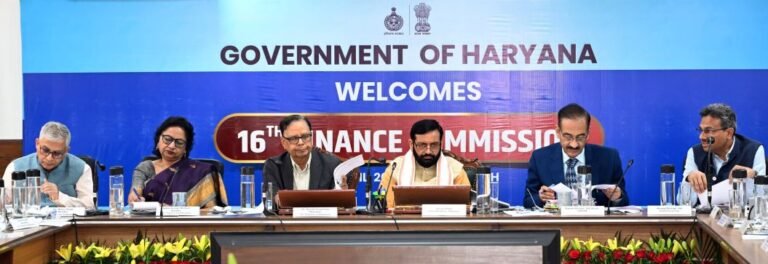
Haryana Charts Ambitious Economic Future as 16th Finance Commission Engages in Strategic Dialogue with CM Nayab Singh Saini

0

In a significant engagement aimed at mapping Haryana’s economic trajectory over the coming decades, the 16th Finance Commission, led by Chairman Dr. Arvind Panagariya, held an extensive meeting with Haryana Chief Minister Nayab Singh Saini and senior state officials in Chandigarh on Monday. The discussions focused sharply on the state’s financial management strategies, current performance metrics, and a forward-looking roadmap designed to solidify Haryana’s position as a major contributor to India’s national growth narrative.

Chief Minister Nayab Singh Saini, who also holds the finance portfolio, spearheaded the deliberations, presenting a comprehensive vision for Haryana’s fiscal resilience and inclusive development. Supported by Chief Secretary Anurag Rastogi, Commissioner and Secretary of Information, Public Relations, Language and Culture Department Dr. Amit Aggarwal, and Director General of Urban Local Bodies Department Pankaj, the leadership team illustrated Haryana’s journey from its inception in 1966 to its evolution as a formidable economic powerhouse within India’s federal structure.

One of the major highlights shared during the meeting was the projected Gross State Domestic Product (GSDP) of Haryana, which is estimated to reach ₹6,77,033 crore for the fiscal year 2024–25. This economic dynamism is underscored by Haryana’s ranking as the second-highest state in India in terms of per capita income, standing at ₹3,53,182. In a noteworthy achievement for agrarian reform, Haryana has emerged as the first Indian state to guarantee the procurement of all crops at the Minimum Support Price (MSP), a move aimed at bolstering farmers’ incomes and ensuring agricultural sustainability.

The Commission was briefed on Haryana’s consistent efforts toward fostering inclusive growth, demonstrated by policy measures such as raising the annual income limit to ₹1.8 lakh for identifying families below the poverty line. In the health sector, progressive schemes like Ayushman Bharat and Chirayu Haryana have extended healthcare coverage to over 61.84% of the population, encompassing nearly 47 lakh families. These initiatives not only reflect Haryana’s commitment to social welfare but also illustrate effective governance despite receiving a relatively smaller share of central devolutions.

Maintaining fiscal discipline has been a cornerstone of Haryana’s administrative ethos, with the state successfully keeping its fiscal deficit and liabilities within the targets prescribed by the Finance Commission. Haryana has also cemented its position as a robust contributor to India’s Goods and Services Tax (GST) collection, ranking fifth nationally and leading among major states in terms of per capita GST revenue. The state’s strong tax administration framework continues to drive this impressive fiscal performance.

The Commission took note of Haryana’s rapid strides toward achieving Sustainable Development Goals (SDGs), as evidenced by its elevation from the ‘Performer’ to the ‘Front Runner’ category on India’s SDG Index, securing the 13th national rank in 2023–24. This significant leap testifies to the state’s holistic approach towards socio-economic development.

Looking towards the future, the Chief Minister shared the vision encapsulated in “Mission Haryana@2047,” a long-term plan aimed at transforming Haryana into a one-trillion-dollar economy while generating 5 million new employment opportunities. Central to this transformative agenda are strategic initiatives including the establishment of a ‘Fund of Funds’ to stimulate the startup ecosystem, the creation of dedicated Innovation Hubs, and the launch of the Haryana AI Mission aimed at equipping 50,000 youth with skills in artificial intelligence. The government is also setting up a Department of the Future to anticipate and address governance challenges through innovation and strategic foresight.

Additionally, Haryana is taking a lead in youth empowerment through its planned SANKALP Authority, a dedicated platform focusing on youth guidance and drug de-addiction, thereby tackling two pressing issues with a future-ready mindset.

During the interaction, the Chief Principal Secretary to the Chief Minister, Rajesh Khullar, emphasized the state’s substantial financial commitment to social welfare schemes, especially highlighting the expansion of health coverage through the Chirayu Haryana initiative. While the Ayushman Bharat scheme initially covered only 9 lakh families, the state’s own resources have enabled health benefits for an additional 32 lakh families, a significant stride that Khullar urged the Commission to duly consider when recommending central fund allocations. He further advocated for the introduction of State-Specific Grants to support states like Haryana, which actively scale up central welfare programs to broader sections of their population.

Khullar assured that the state government would soon submit a detailed memorandum outlining Haryana’s case for a fairer division of funds under centrally sponsored schemes. His remarks underscored a broader call for equitable fiscal federalism that rewards proactive and fiscally disciplined states.

The meeting was attended by 16th Finance Commission members including Annie George Mathew, Ajay Narayan Jha, Dr. Manoj Panda, and Dr. Soumya Kanti Ghosh, along with Principal Secretary to Chief Minister Arun Kumar Gupta, and Director General of the Department of Information, Public Relations, Language and Culture K.M. Pandurang, among other senior administrative officials.

As Haryana stakes its claim as a vanguard of India’s future growth, the state’s leaders have made it clear that the path forward will be paved not only with ambitious targets but also with pragmatic reforms, fiscal discipline, and an unwavering commitment to inclusive and sustainable development. With visionary plans such as “Mission Haryana@2047” gaining momentum, Haryana seems poised to be a key architect of India’s evolving economic and social landscape over the next two decades.

#Haryana #FinanceCommission #EconomicDevelopment #MissionHaryana2047 #InclusiveGrowth #FiscalDiscipline

This is an auto web generated news web story.
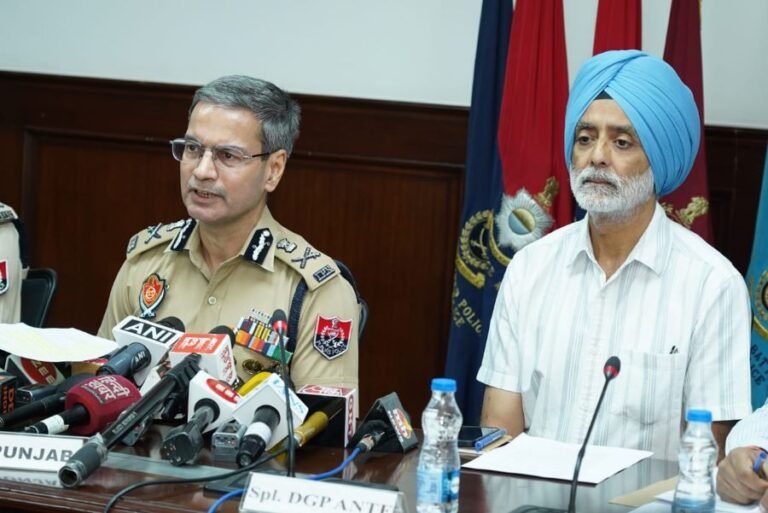
Punjab Intensifies War Against Drugs as DGP Gaurav Yadav Sets May 31 Deadline for Zero Availability

0

In a determined escalation of its fight against drug trafficking, Punjab has taken a formidable legal and administrative leap under the leadership of Director General of Police (DGP) Gaurav Yadav. As part of the ongoing state-wide campaign ‘Yudh Nashian Virudh’, Punjab Police has recorded an impressive 89 percent conviction rate in NDPS Act cases since March 1, 2025—one of the highest in India—marking a critical blow to drug cartels and trafficking networks that have long plagued the state.

Speaking at a press conference in Chandigarh, DGP Gaurav Yadav, flanked by top officers including Special DGP Anti-Narcotics Task Force Kuldeep Singh, ADGP Nilabh Kishore, and IGP Headquarters Dr. Sukhchain Singh Gill, emphasized that the focus now is not merely on numbers but on dismantling the drug supply chains comprehensively. The state has seen 744 convictions out of 836 NDPS cases decided within two months, with 144 notorious drug kingpins sentenced to rigorous imprisonment of 10 years or more, underscoring the judiciary’s increasingly firm stance against narcotics offenses.

With Chief Minister Bhagwant Singh Mann setting an ambitious target to bring drug availability on the streets to absolute zero by May 31, 2025, the DGP has summoned all Senior Superintendents of Police (SSPs) and Commissioners of Police (CPs) to present district-wise eradication plans. Each officer has been mandated to lead from the front, with accountability firmly attached to results rather than rhetoric. Officers achieving tangible outcomes will be recognized, while those delivering subpar performance or presenting exaggerated claims will face stringent consequences, reflecting a policy shift towards rigorous performance-based policing.

This latest strategic thrust is backed by citizen engagement initiatives like the Safe Punjab Anti-Drug Helpline ‘9779100200’, which has already led to 503 FIRs and 659 arrests, demonstrating the crucial role of public participation in the state’s anti-narcotics efforts. Recognizing the need to not just arrest but economically cripple drug smugglers, Punjab Police has rolled out a three-pronged approach targeting hawala channels, freezing assets, and demolishing illegal constructions. The results have been significant, with Rs 8.03 crore in drug-related funds seized, properties worth Rs 32.95 crore frozen, and 72 illegally constructed structures belonging to smugglers demolished across the state.

Underlining the compassionate aspect of this battle, DGP Yadav pointed out that the government is also utilizing Section 64-A of the NDPS Act to channel minor drug offenders into de-addiction centers rather than prisons, offering rehabilitation instead of mere incarceration. To date, 689 individuals caught with small quantities have been sent for treatment, highlighting the state’s commitment to balancing strict enforcement with humane interventions.

The outcomes of the 59-day-long campaign ‘Yudh Nashian Virudh’ further reveal the scale and intensity of the crackdown. Punjab Police have arrested 7,414 drug traffickers, including 1,877 classified as ‘big fish,’ registered 4,659 FIRs under the NDPS Act, and seized nearly 300 kilograms of heroin, along with massive quantities of other narcotics and psychotropic substances. Focused operations at 755 identified drug hotspots resulted in the arrest of 1,774 smugglers through 908 targeted CASO (Cordon and Search Operations) drives, demonstrating a sharp operational focus.

In a sharp move towards ensuring police supremacy in the field, DGP Yadav also shared that 62 drug smugglers and gangsters were injured during retaliatory actions in self-defense since March 1, 2025, as the force adopts a zero-tolerance policy towards attacks on police personnel.

The state government’s future roadmap includes deploying cutting-edge anti-drone systems along the Indo-Pakistan border to intercept drones ferrying narcotics and arms, with installations expected by September-October this year. Additionally, proposals are under active consideration to establish 30 exclusive NDPS Act courts at an annual cost of Rs 22.8 crore, a move aimed at fast-tracking narcotics trials and delivering justice swiftly.

At a time when the drug menace threatens social fabrics globally, Punjab’s aggressive, integrated model combining legal, economic, technological, and community-driven interventions offers a compelling template for other states and nations grappling with similar crises. The unwavering stance taken by Punjab Police, driven by accountability, citizen partnership, and systemic disruption of narcotic networks, signals a crucial evolution in India’s war against drugs—a war where victory will not be defined by arrest counts but by a future where drugs are truly unavailable and communities can reclaim their dignity and health.

#PunjabFightsDrugs #DrugFreePunjab #MissionNashaMukt #GauravYadav #PunjabPolice #GlobalWarOnDrugs #SafePunjab #NDPSAct #AntiNarcotics #EndDrugTrafficking

This is an auto web-generated news web story.

Himachal Pradesh: Crafting a Blueprint for Sustainable Mountain Economies

 Saptrishi Soni: Nestled in the Indian Himalayas, Himachal Pradesh is scripting a powerful new narrative—one where economic growth and environmental stewardship move hand in hand. At a time when climate change threatens fragile mountain ecosystems worldwide, Himachal’s bold green energy vision under Chief Minister Thakur Sukhvinder Singh Sukhu offers critical lessons for sustainable development in high-altitude regions.

With tourism as a key economic driver, the state faces a complex balancing act. Its pristine landscapes attract millions of visitors annually, yet each influx brings pressure on the very natural treasures that define its allure. Recognizing this, Himachal Pradesh is consciously shifting its development model, prioritizing green energy, electric mobility, and eco-sensitive tourism over traditional carbon-heavy pathways.

The government’s commitment to becoming a green energy state by March 2026 is not merely aspirational—it is backed by tangible, transformative action. Electric buses are rapidly replacing diesel fleets; green corridors equipped with EV charging stations are reshaping the transport infrastructure; and hefty subsidies are spurring the adoption of electric taxis and rickshaws across urban and rural terrains alike. Crucially, these efforts are not siloed but form part of a larger strategy to create green jobs, empower local entrepreneurs, and future-proof the state’s economy.

In a world grappling with extreme weather, melting glaciers, and biodiversity loss, Himachal’s initiatives showcase how mountain economies can harness innovation to turn vulnerability into strength. By choosing environmental resilience over short-term exploitation, the state is positioning itself as a beacon of hope for other mountain regions across Asia, Europe, and the Americas.

What makes Himachal Pradesh’s model compelling is its grassroots ambition. The transition is not only led by policymakers but is slowly becoming a movement embraced by communities, investors, and the next generation of local entrepreneurs. In an era of deepening climate crises, the Himachali experiment reminds us that sustainability is not a luxury—it is a necessity, and it begins with visionary leadership and collective action.

The world would do well to watch closely.

#GreenEconomy #SustainableDevelopment #MountainEconomies #HimachalModel #ClimateAction #EcoTourism #GreenTransport #GlobalSustainability

This is an auto web-generated editorial article.

Europe in Darkness: Massive Power Outage Cripples Spain, Portugal, and Parts of France

0

In an unprecedented disruption that left millions reeling, Spain, Portugal, and parts of southern France plunged into chaos today after a massive power outage crippled transport networks, shut down hospitals, disrupted internet services, and paralyzed entire cities. What began as a seemingly routine afternoon quickly spiraled into scenes of confusion and uncertainty as traffic lights blacked out, metro systems ground to a halt, and entire neighborhoods were left without electricity or communication.

The outage, which struck shortly after 12:30 PM local time, triggered a collapse of Spain’s electricity grid, with power supply plummeting from 26 gigawatts to 12 gigawatts in a matter of minutes. This sudden drop disrupted not only Spain but reverberated across the Iberian Peninsula, deeply impacting Portugal and affecting border regions of France. Urban centers such as Madrid, Lisbon, and Barcelona found themselves at the epicenter of the blackout, with thousands trapped in metro tunnels, elevators, and traffic snarls. The Madrid Open Tennis Tournament was abruptly suspended, while airports such as Madrid-Barajas operated at half their normal capacity, battling with delayed flights and malfunctioning systems.

Spanish authorities rushed into action, convening emergency cabinet meetings alongside their Portuguese counterparts. Utility companies, including Spain’s Red Electrica and Portugal’s REN, scrambled to assess the damage and restore connectivity in phases. REN officials stated that phased restoration plans were being activated in coordination with European energy producers and grid operators, while an investigation into the causes of the outage remained underway. Early reports suggested a technical fault, but in a region already grappling with rising cybersecurity tensions, speculation swirled about the possibility of a cyberattack, with some voices in Europe pointing to Russia and the escalating backdrop of geopolitical cyber-warfare.

Across Madrid, chaos unfurled in real-time. Major traffic intersections became deadlocked as traffic lights failed, with police taking to the streets to direct cars manually and secure key government installations. Hundreds of office workers were evacuated from skyscrapers, including the four-tower complex housing the British Embassy, leading to scenes reminiscent of disaster drills. Spanish radio stations reported widespread evacuations from the underground metro, where hundreds were left stranded inside stalled trains, inching their way on foot through dimly lit tunnels toward the nearest exits.

Portugal fared no better. Lisbon’s famed subway system ground to a complete halt, trapping commuters underground for hours. Porto’s metro system suffered similar disruptions. In both countries, the collapse of mobile networks compounded public confusion, leaving people unable to communicate or access vital updates. Portuguese supermarkets shuttered, hospitals reduced their services to emergency-only operations powered by backup generators, and the breakdown of internet infrastructure rendered large parts of both countries digitally isolated for hours.

The sudden scale and scope of the outage exposed the fragility of Europe’s interconnected infrastructure systems at a time of growing strategic vulnerabilities. While authorities have been quick to attribute the incident to technical causes, cybersecurity analysts warn that the event bears the hallmarks of a hybrid disruption — a blend of physical and potential digital sabotage, which, if confirmed, could escalate diplomatic tensions across the continent. For now, European officials are treading cautiously, focusing on restoring power and reassuring citizens even as back-channel security dialogues intensify.

Historically, the Iberian Peninsula has been seen as relatively insulated from the kind of large-scale infrastructure attacks witnessed in other parts of the world. Today’s blackout has shattered that perception. With critical services paralyzed and millions exposed to the cascading risks of digital and physical blackout, Spain, Portugal, and France are likely to face intense scrutiny over the resilience of their energy grids and emergency response frameworks in the coming weeks. The event has also reignited debates across Europe about the vulnerabilities embedded in the transition to smart grids, the growing reliance on centralized control systems, and the geopolitical risks posed by cyber aggression in a tense global environment.

As the evening approached, phased restoration efforts began to yield results, and city lights flickered back on. Yet for many residents, the images of a modern European metropolis brought to a standstill — commuters trapped in metro cars, darkened highways stretching for miles, emergency responders racing to rescue people stranded in elevators — will remain an unsettling reminder of how quickly the backbone of modern life can fracture.

#EuropeBlackout #SpainPowerOutage #PortugalCrisis #CyberSecurityEurope #GlobalEnergyCrisis #MadridNews #LisbonMetro #FrancePowerGrid #EmergencyResponseEurope

This is an auto web-generated news web story. Pic courtesy fox 44

1947 में तीन इंजीनियरों ने पंजाब के पानी पर भारत का नियंत्रण कैसे सुनिश्चित किया

0

भारत के विभाजन के समय, 1947 में, जब विभाजन रेखा खींची जा रही थी, कई ताकतें इस बात का निर्धारण कर रही थीं कि किस क्षेत्र को किस देश में शामिल किया जाएगा। इस दौरान, तीन भारतीय इंजीनियरों ने एक अहम भूमिका निभाई, जिससे भारत को पंजाब के महत्वपूर्ण जल संसाधनों पर नियंत्रण मिला। इन इंजीनियरों ने अपनी समझ और देशभक्ति से इतिहास बदल दिया, क्योंकि अगर वे मौजूद नहीं होते, तो शायद भारत के लिए पंजाब के पानी पर नियंत्रण संभव नहीं हो पाता।

जब विभाजन रेखा को लेकर निर्णय हो रहे थे, फेरोज़पुर, जो पंजाब का एक महत्वपूर्ण शहर था, पाकिस्तान के हिस्से में आ सकता था। फेरोज़पुर का जल कार्य (हेडवर्क्स) पाकिस्तान के नियंत्रण में आ जाता, तो भारत के लिए जल आपूर्ति की समस्या पैदा हो जाती। खासकर, फेरोज़पुर के हेडवर्क्स से तीन प्रमुख नहरें जुड़ी हुई थीं, जिनमें से एक नहर बikaner के गंग नहर को पानी देती थी।

यह समझने वाले पहले लोग थे इंजीनियर ए.एन. खोसला, सरूप सिंह और कंवर सेन। उस समय, सरूप सिंह और ए.एन. खोसला पंजाब के सिंचाई विभाग में कार्यरत थे, जबकि कंवर सेन बीकानेर राज्य के जल विभाग में कार्यरत थे। इन इंजीनियरों ने देखा कि फेरोज़पुर पाकिस्तान में जा रहा है और इसके क्या नतीजे हो सकते हैं। सरूप सिंह ने फौरन कंवर सेन को एक गुप्त पत्र लिखा और उसे स्थिति की गंभीरता से अवगत कराया।

कंवर सेन, जो खुद एक योग्य इंजीनियर थे, समझ गए कि अगर फेरोज़पुर पाकिस्तान के पास चला गया, तो इसके परिणामस्वरूप बीकानेर की गंग नहर, जो पंजाब के जल कार्यों से जुड़ी थी, पाकिस्तान के नियंत्रण में चली जाएगी। उन्होंने यह बात तुरंत बीकानेर के प्रधानमंत्री पन्नीकार को बताई, जो इस स्थिति की गंभीरता को समझते थे। पन्नीकार और कंवर सेन ने मिलकर बीकानेर के महाराजा सदुल सिंह से मुलाकात की, जिन्होंने माउंटबेटन से अच्छे रिश्ते बनाए थे।

महाराजा ने माउंटबेटन को बताया कि यदि फेरोज़पुर हेडवर्क्स पाकिस्तान को दिया गया, तो बीकानेर को पाकिस्तान से जुड़ने के अलावा कोई दूसरा विकल्प नहीं होगा। इस बात ने माउंटबेटन और कांग्रेस नेतृत्व को चौकस कर दिया। यह स्थिति केवल जल के अधिकारों का सवाल नहीं था, बल्कि कई राज्यों की स्थिरता का प्रश्न बन चुका था।

जवाहरलाल नेहरू, जिन्होंने स्थिति की गंभीरता को महसूस किया, ने माउंटबेटन से बातचीत की और यह सुनिश्चित किया कि फेरोज़पुर, ज़ीरा और फ़ज़िलका जैसे महत्वपूर्ण क्षेत्रों का नियंत्रण भारत को मिलना चाहिए। सरदार पटेल और वी.पी. मेनन ने भी इस मुद्दे पर माउंटबेटन से संपर्क किया, और अंततः भारत को फेरोज़पुर हेडवर्क्स का नियंत्रण मिल गया।

यह निर्णय पाकिस्तान के लिए एक बड़ा झटका था। भारत को फेरोज़पुर हेडवर्क्स का नियंत्रण मिलते ही, पाकिस्तान ने इन नहरों से अपना पानी रोक दिया, जो बाद में सिंधु जल संधि (Indus Water Treaty) के हस्ताक्षर के रूप में सामने आया।

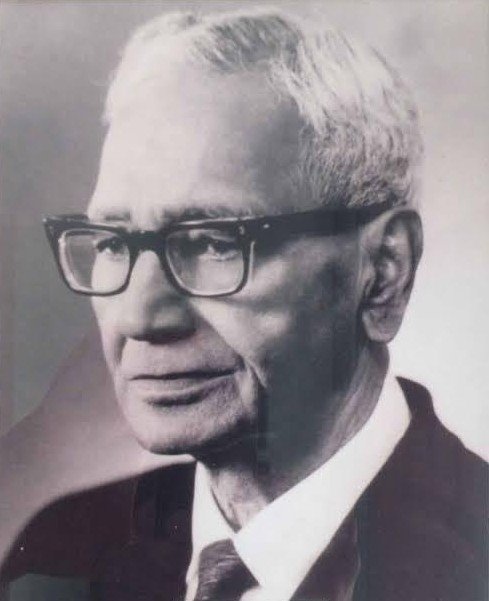
भारत में स्वतंत्रता के बाद, कंवर सेन ने राजस्थान नहर परियोजना की रूपरेखा तैयार की, जो आज इंदिरा गांधी नहर के नाम से जानी जाती है। कंवर सेन को उनके योगदान के लिए पद्मभूषण से सम्मानित किया गया।

इन तीन इंजीनियरों ने न तो प्रसिद्धि की तलाश की, न ही उनके पास कोई व्यक्तिगत स्वार्थ था। उन्होंने सिर्फ अपनी जिम्मेदारी निभाई और भारत के जल संसाधनों का संरक्षण किया। वे जानते थे कि यह केवल एक परियोजना नहीं, बल्कि भारत के भविष्य के लिए महत्वपूर्ण था। इन इंजीनियरों ने कभी नहीं सोचा था कि 78 साल बाद उनके नाम किसी सोशल मीडिया प्लेटफॉर्म पर लिए जाएंगे और उनकी भूमिका को सराहा जाएगा।

लेकिन इतिहास हमेशा अच्छे लोगों के साथ होता है, और इन इंजीनियरों का योगदान भारतीय इतिहास में हमेशा याद किया जाएगा। उनके कार्यों ने भारत को एक स्थिर और सुरक्षित जल आपूर्ति सुनिश्चित की, जो आज भी हमारे लिए एक महत्वपूर्ण धरोहर है।

वेब जनरेटेड न्यूज़ आर्टिकल – पंजाब आर्काइव्स से Pic is from Face book  

How Three Engineers Shaped India’s Control Over Punjab’s Waters and Secured Its Future

In the turbulent days leading up to India’s independence in 1947, when the partition lines were being drawn, there were many forces at play that would shape the future of the newly formed nations. Amidst this chaos, three unsung heroes—Indian civil engineers—played a pivotal role in ensuring that India retained control over the vital waters of Punjab, a decision that would have far-reaching consequences for the region’s survival and prosperity. Their quiet yet crucial intervention helped India secure control over the Ferozepur Headworks, a key infrastructure point that would later become a central issue in the formation of the Indus Water Treaty. These engineers, motivated purely by patriotism, did what many failed to comprehend during the partition: they understood the engineering complexities that could alter the course of history.

As the Radcliffe Line was being drawn to separate India and Pakistan, the fate of Punjab’s rivers—particularly those passing through the critical Ferozepur Headworks—was up in the air. Ferozepur, a town in Punjab, was dangerously close to being included in Pakistan’s territory. For India, losing control of the Ferozepur Headworks would mean losing control over three major canals that were crucial for water distribution in both Punjab and Rajasthan. In fact, these canals even fed into the Gang Canal of Bikaner, an important lifeline for that region.

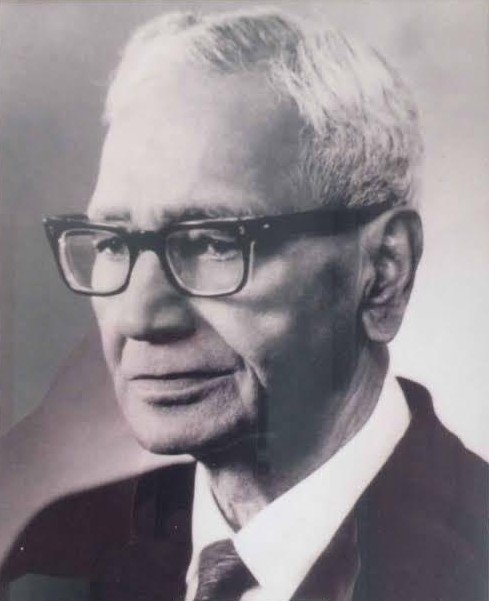
Among the engineers who recognized the gravity of this situation were A.N. Khosla, Sarup Singh, and Kanwar Sen. At the time, Khosla and Sarup Singh were stationed in the Punjab irrigation department, while Kanwar Sen was working with the water department in the Bikaner state. As engineers, they had an in-depth understanding of the hydraulic systems and the geopolitical significance of Ferozepur. When they realized that Ferozepur was marked to go to Pakistan, they recognized the profound implications this would have for India’s control over water resources in the region.

Sarup Singh, deeply concerned by the potential loss of these crucial waterworks, decided to take action. He secretly communicated with Kanwar Sen in Bikaner, warning him about the impending division of Ferozepur. Kanwar Sen, equally astute and aware of the consequences, understood the urgency of the matter. He immediately took the issue to Pannikar, the Prime Minister of Bikaner, explaining the critical situation. They decided to approach the Maharaja of Bikaner, Sadul Singh, a man who had personal connections with Lord Mountbatten, the last British Viceroy of India.

The Maharaja, recognizing the dire consequences of losing the Ferozepur Headworks, conveyed the message to Mountbatten. He made it clear that should Ferozepur fall under Pakistan’s control, Bikaner would have no choice but to merge with Pakistan for survival, as the irrigation systems that supplied water to the region would be under Pakistan’s authority. This alarmed both Mountbatten and the Congress leadership. It was a matter of strategic importance that went beyond mere territorial control—it was a matter of survival for many regions reliant on Punjab’s waters.

This development caught the attention of Jawaharlal Nehru, who was moved by the urgency of the situation. Nehru, through his political influence, worked with Mountbatten to ensure that Ferozepur and its surrounding tehsils—Zira and Fazilka—would remain with India. Sardar Patel and V.P. Menon, both deeply involved in the internal workings of the Partition, also played key roles in this diplomatic push.

The result was that India managed to retain control over the Ferozepur Headworks, alongside the crucial tehsils. This decision was met with shock and dismay in Pakistan, which had hoped to gain control of these vital water sources. However, the newly formed Indian government, now in possession of the Ferozepur Headworks, was faced with a critical challenge: Pakistan, unwilling to allow India control over the canals that fed into its own water systems, began to block the flow of water to India. This conflict over water would eventually lead to the Indus Water Treaty, a watershed agreement signed between India and Pakistan in 1960, brokered by the World Bank.

In independent India, Kanwar Sen would go on to make his own significant contributions, most notably conceptualizing the Rajasthan Canal project, now known as the Indira Gandhi Canal, which continues to serve as a lifeline for Rajasthan’s arid regions. For his invaluable services, Kanwar Sen was awarded the Padma Bhushan, one of India’s highest civilian honors.

The work of these three engineers—Sarup Singh, Khosla, and Sen—was not driven by fame or fortune. They could have easily gone about their duties, signing paperwork and enjoying their positions. Instead, they understood the larger implications of their work, and their patriotism ensured that India maintained control over one of the most critical resources during partition: water. They had no idea that decades later, their names would be recalled by history, or that their actions would be celebrated as pivotal moments in the making of modern India.

These engineers did not seek accolades, yet their quiet actions changed the course of history, securing India’s position over crucial water resources and paving the way for future developments in the region. As history has shown, the true heroes are often those who work behind the scenes, making decisions that shape the future of nations, and in this case, ensuring the survival and prosperity of India.


Web Generated News Article – From Punjab Archives Pic form the net source 

Haryana’s Economic Roadmap and Vision for Future Development: Key Takeaways from the 16th Finance Commission Meeting

0

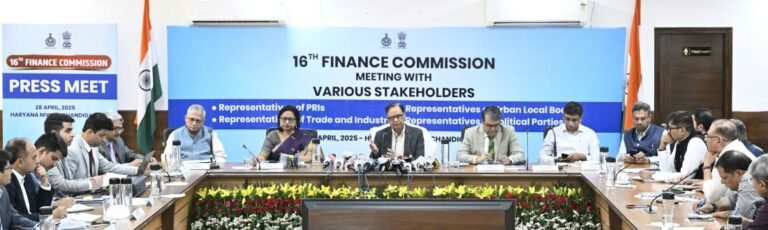
The 16th Finance Commission, under the leadership of Dr. Arvind Panagariya, held a crucial meeting with Haryana’s Chief Minister Shri Nayab Singh Saini and senior state officials on Monday. The discussion revolved around Haryana’s financial management strategies and the future economic trajectory of the state, which plays a pivotal role in India’s economic landscape.

Shri Nayab Singh Saini, who also holds the finance portfolio, chaired the meeting with his cabinet colleagues, including Chief Secretary Shri Anurag Rastogi, Commissioner and Secretary of the Information, Public Relations, Language & Culture Department Dr. Amit Agarwal, and Director General of the Urban Local Bodies Department Shri Pankaj. The session offered a comprehensive overview of Haryana’s financial policies, economic achievements, and its vision for continued progress.

The Finance Commission was briefed on Haryana’s robust economic performance, including the state’s impressive Gross State Domestic Product (GSDP) for FY 2024–25, estimated at INR 6,77,033 crores. Notably, Haryana ranks second among major Indian states in per capita income at INR 3,53,182, showcasing its economic strength and growing prosperity.

The state’s commitment to agriculture was highlighted by the fact that Haryana is the first state in India to ensure the purchase of all crops at the Minimum Support Price (MSP), a testament to its focus on securing the livelihood of farmers.

The meeting also covered the state’s inclusive development efforts. Haryana’s commitment to poverty alleviation was evident as it has set an annual income threshold of INR 1.80 lakh to identify families below the poverty line. In the healthcare sector, Haryana has successfully covered 61.84% of its population, or approximately 47 lakh families, under the Ayushman Bharat and Chirayu health insurance schemes.

Despite receiving a smaller share from central funds, Haryana’s fiscal deficit and liabilities have remained within the targets set by the Finance Commission. Haryana also contributes significantly to the nation’s GST collections, ranking fifth in India’s total GST revenue generation. Notably, the state leads in per capita GST collections, underscoring its efficient tax administration system.

In terms of sustainable development, Haryana has made impressive strides. The state has advanced from the ‘Performer’ category to the ‘Front Runner’ category in the National Index of Sustainable Development Goals (SDGs), securing the 13th position nationwide for the year 2023–24.

Looking ahead, the 16th Finance Commission was briefed on Haryana’s ambitious plans under the “Mission Haryana@2047” initiative. The goal is to transform Haryana into a one-trillion-dollar economy by 2047, creating 50 million jobs in the process. Key strategies for achieving this vision include fostering a strong startup ecosystem, with the establishment of a ‘Fund of Funds’ and ‘Innovation Hubs.’

To further empower the state’s youth, Haryana plans to launch the ‘Sankalp Authority,’ aimed at youth guidance and drug de-addiction, alongside the establishment of the ‘Department of Future’ to address governance challenges and promote innovation. Additionally, the state’s forward-looking AI-focused initiatives include the creation of an ‘AI Hub’ under the ‘Haryana AI Mission,’ with plans to provide training to 50,000 youth.

Under the leadership of Chief Minister Nayab Singh Saini, Haryana’s government continues to prioritize balanced, inclusive, and sustainable growth. The state’s robust economic performance, progressive reforms, and strategic investments make it a key driver in India’s development trajectory for the decades to come.

Shri Rajesh Khullar, Principal Secretary to the Chief Minister, also spoke about the critical need for adequate central funding to support Haryana’s welfare programs. He highlighted that while the Ayushman Bharat scheme initially covered only nine lakh families in Haryana, the state has expanded the coverage under the Chirayu Haryana scheme to an additional 32 lakh families, fully funding the extra coverage from its own resources.

He urged the Commission to consider the state’s initiatives when reviewing central fund allocations, emphasizing the need for states with large-scale welfare programs to receive state-specific grants. Khullar assured that Haryana will soon submit a detailed memorandum regarding the allocation of central funds for the state’s welfare schemes.

The meeting concluded with a shared commitment to driving Haryana’s economic success in the coming decades. With its strategic investments, focus on innovation, and commitment to inclusive development, Haryana is poised to become a major player in India’s economic future. The state’s proactive steps towards improving the welfare of its citizens and creating a sustainable, inclusive economy are setting the stage for long-term growth.

The discussions at the Finance Commission meeting highlighted not only the state’s current achievements but also its bold vision for a prosperous future, one that aligns with India’s national development goals.

Himachal Pradesh Charts Ambitious Green Energy Future: CM Sukhu Leads Sustainable Transport Drive

0

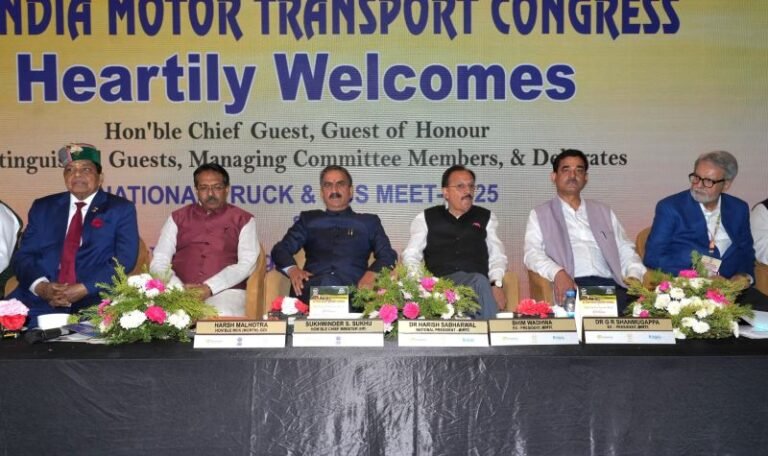
 In a significant move towards sustainable development, Himachal Pradesh Chief Minister Thakur Sukhvinder Singh Sukhu reaffirmed his government’s commitment to green energy and environmental conservation during the ‘National Truck and Bus Meet’ of the All India Motor Transport Congress, held at Gandhi Gram under the Kasauli Assembly Constituency in Solan District. Highlighting Himachal Pradesh’s growing reputation as a premier tourist destination, the Chief Minister underscored the urgent need to balance tourism expansion with environmental preservation.

Addressing the gathering, Chief Minister Sukhu emphasized that while Himachal Pradesh’s pristine landscapes draw visitors from across the globe, the escalating footfall inevitably impacts the delicate ecological balance of the hilly state. Acknowledging these challenges, he outlined the state’s comprehensive strategy to enhance tourism infrastructure while prioritizing environmental sustainability. “We are building a model of growth that protects our natural assets,” he stated, reinforcing that sustainable tourism and green development would remain central to the government’s agenda.

The Chief Minister announced that Himachal Pradesh has set an ambitious target to become a green energy state by March 2026. To achieve this goal, the government has been actively promoting the adoption of electric vehicles (EVs) and developing an expansive EV-supporting infrastructure. “This meet is not just a forum for transport deliberations; it is a platform to devise future strategies for environmental sustainability,” he said, underscoring the event’s wider significance.

Highlighting the urgent environmental threats posed by greenhouse gases, the Chief Minister pointed out that the transport sector alone contributes approximately 16 to 20 percent of these emissions. He warned that the rising number of petrol and diesel vehicles was a major cause of air pollution and emphasized that transitioning to electric mobility is a critical solution. His government, he added, is vigorously advancing the use of e-vehicles to reduce pollution and conserve natural resources.

In a significant boost to this green transition, Chief Minister Sukhu spoke about the Rajiv Gandhi Swarojgar Start-up Yojana, a Rs 680 crore initiative aimed at empowering the youth. Under this scheme, a 50 percent subsidy is offered to young entrepreneurs for purchasing e-taxis, with many of these vehicles already integrated into various government departments and institutions. So far, 50 e-taxis have been inducted, and an additional 50 are slated for approval by May 10. “I personally use an electric vehicle and can vouch for its cost-effectiveness,” the Chief Minister noted, adding that the government plans to convert 3,000 internal combustion vehicles to electric models within this year.

A cornerstone of the state’s transport revolution involves the electrification of public transport. Himachal Road Transport Corporation (HRTC) has initiated the procurement of 297 electric buses, backed by an investment of Rs 412 crore. Complementing this effort, charging stations are being installed at strategic bus depots at a cost of Rs 124 crore. Furthermore, plans are underway to purchase 500 more electric buses during the 2025-26 financial year, thereby accelerating the shift towards a fully electrified public transport system.

The Chief Minister also revealed that six green corridors have already been established across the state, with 41 more charging stations soon to be operational along these routes. To incentivize the adoption of electric vehicles, the government has provided a 100 percent exemption on road tax and a 50 percent concession on the special road tax applicable to the registration of commercial electric vehicles.

As part of a broader environmental protection initiative, all petrol and diesel-powered auto-rickshaws in Himachal Pradesh are being phased out in favor of e-auto rickshaws. This sweeping change aims to further curb vehicular emissions and foster cleaner urban environments.

In a move designed to stimulate entrepreneurship and create self-employment opportunities, the government plans to issue permits for 1,000 new bus routes to the private sector. Subsidies of up to 40 percent are being offered for the purchase of e-buses and e-tempo travelers on these routes, reinforcing the state’s long-term vision of a completely electrified public transportation network.

Hamirpur district has been selected for a pilot project where all government offices will transition to using electric vehicles, a model that could later be replicated across the entire state. The Chief Minister reiterated the administration’s commitment to promoting green industries, eco-tourism, and sustainable investments in Himachal Pradesh. “This is the right time to invest in a green future,” he urged prospective investors.

The event witnessed the presence of Health and Family Welfare Minister Dr. (Col) Dhani Ram Shandil, Industry Minister Harshvardhan Chauhan, MLAs Vinod Sultanpuri and Sanjay Awasthi, and other dignitaries including senior officials from the tourism and transport sectors. National President of the All India Motor Transport Congress Dr. Harish Sabharwal, Co-President Rakesh Trehan, and Conference Chairman Bhim Wadhwa also attended the session, lending strong support to the state’s sustainable development goals.

As Himachal Pradesh positions itself at the forefront of India’s green transformation, its innovative policies and ambitious energy targets offer a promising blueprint for other states striving to balance development with environmental stewardship.

#HimachalGreenEnergy #ElectricVehicles #SustainableTourism #GreenTransport #EnvironmentalConservation #CMSSukhu #HimachalPradesh #EvehiclesIndia #EcoTourismIndia #PublicTransportRevolution

This is an auto web-generated news web story.

Punjab’s Counter Intelligence Breaks Major Cross-Border Drug Smuggling Racket, 3 Kg Heroin Seized Near Attari

0

In a significant victory against trans-border narcotics operations, the Counter Intelligence Wing of Amritsar has apprehended a key operative involved in international drug trafficking. During a meticulously planned intelligence-led operation near the India-Pakistan border at Attari, officials arrested Balveer Singh, a resident of Attari village, and seized a substantial consignment of 3 kilograms of heroin.

The operation, hailed as a major success by state authorities, underscores the Punjab Police’s relentless efforts to dismantle cross-border drug cartels that threaten the state’s social fabric and public health. Following the seizure, a formal case has been registered under the stringent provisions of the Narcotic Drugs and Psychotropic Substances (NDPS) Act at the Special Operations Cell (SSOC) Police Station in Amritsar.

Preliminary investigations suggest that Balveer Singh was acting as a key conduit for a larger smuggling network with deep ties across the border in Pakistan. Officials have identified another co-accused, Harpreet Singh, and aggressive efforts are currently underway to apprehend him and expose the broader trafficking nexus.

This latest breakthrough is part of a broader push by Punjab’s security forces to neutralize transnational crime syndicates operating along the sensitive international border. With drug addiction posing a severe socio-economic challenge in Punjab, the government has ramped up counter-narcotics operations, combining technological surveillance with robust ground intelligence to intercept smuggling activities at critical entry points.

Sources close to the investigation indicate that the heroin consignment was likely intended for distribution across multiple districts in Punjab and possibly beyond, fueling a chain of illegal narcotics commerce that not only endangers lives but also funds organized crime. The police are now tracking financial flows and communication channels linked to the arrested individuals, aiming to expose and eradicate the full extent of the network.

Senior officials from Counter Intelligence Amritsar reaffirmed their unwavering commitment to making Punjab drug-free. They emphasized that operations like these are just the beginning of a sustained, multi-layered offensive targeting both local handlers and their international collaborators. The authorities have also appealed to the public for cooperation, urging citizens to report suspicious activities, thereby strengthening the community’s role in the fight against drugs.

This strategic interception near Attari once again highlights the Punjab Police’s evolving operational capabilities, characterized by sharper intelligence inputs, quicker field mobilizations, and a greater emphasis on dismantling the organizational structures of crime syndicates rather than just arresting low-level couriers.

As Punjab intensifies its battle against narcotics trafficking, the arrest of Balveer Singh and the seizure of three kilograms of heroin serves as a stark reminder of the persistent threat posed by cross-border smugglers—and of the resilience and determination of law enforcement agencies to combat it at every level.

#PunjabPolice #CounterNarcotics #DrugFreePunjab #CrossBorderSmuggling #HeroinSeizure #TransnationalCrime #NDPSAct #SSOCAttari #PunjabSecurity #WarOnDrugs

This is an auto web-generated news web story.

Amritsar Rural Police Strike Major Blow to Jiwan Fauji Terror Module, Arrest Two Operatives After Encounter

In a significant breakthrough in the ongoing efforts to dismantle terrorist networks, the Amritsar Rural Police have successfully apprehended two key operatives of the Jiwan Fauji terror module following a brief but intense encounter near Ramdas town in rural Amritsar. The incident, which unfolded during a high-stakes chase, marks a decisive success for Punjab’s security apparatus in its mission to safeguard peace and public security.

The arrested individuals have been identified as Vishal Masih and Lovepreet Singh, also known as Love, both hailing from Vasiyan village in Jafarkot. According to police reports, the two operatives opened fire on a police party when intercepted. Acting with remarkable restraint and tactical precision, the officers retaliated in a controlled manner, successfully overpowering and arresting both suspects without any civilian casualties.

A significant cache of arms and explosives was recovered from the duo, signaling their preparedness to carry out potentially devastating attacks. The weapons haul underscores the seriousness of the threat posed by the Jiwan Fauji module, which had reportedly been plotting violent activities aimed at disturbing the peace and stability of the region.

In response to the incident, an FIR under the Explosive Act and the stringent Unlawful Activities (Prevention) Act (UAPA) has been registered at Police Station Ramdas. Senior officials confirmed that an intensive investigation is underway to uncover the full extent of the terror network’s operations. Authorities are probing the arrested operatives’ past activities, affiliations, and planned future actions, with the goal of tracing their broader network and dismantling any sleeper cells or linked conspiracies.

The Punjab Police reiterated its unwavering commitment to maintaining peace and harmony across the state. Officials emphasized that preemptive action against terror modules remains a top priority and that no effort will be spared to ensure the safety and security of citizens.

The successful operation near Ramdas comes against a broader backdrop of heightened vigilance by Punjab’s security forces. With neighboring states and international borders posing constant challenges, the Punjab Police’s proactive strategies, advanced intelligence gathering, and rapid response mechanisms have proven critical in neutralizing emerging threats.

As Punjab continues to face complex security dynamics influenced by both domestic and cross-border elements, operations like these reaffirm the state’s resolve to stay ahead of terror activities. Citizens, meanwhile, have been urged to remain vigilant and report any suspicious activities to the authorities, reinforcing a community-driven approach to public safety.

The apprehension of Vishal Masih and Lovepreet Singh is not merely an isolated success but a testament to the coordinated intelligence efforts and swift operational capabilities that define the new policing strategies in Punjab. With further arrests and exposures expected as investigations proceed, the dismantling of the Jiwan Fauji terror module may mark a turning point in the state’s ongoing battle against extremism.

#PunjabPolice #AmritsarEncounter #TerrorModuleBusted #NationalSecurity #JiwanFaujiModule #PunjabSecurity #CounterTerrorism #IndiaSecurity #PublicSafety #TerrorNetworkCrackdown

This is an auto web-generated news web story.