Home Blog Page 211

Punjab Government Mandates 24/7 Phone Availability for State Employees to Boost Administrative Efficiency

0

 In a major move aimed at enhancing administrative responsiveness and operational efficiency, the Punjab government has directed all state employees to remain available on their mobile phones at all times. Issued by the state’s Personnel Department on Monday, the directive makes it mandatory for government officers and employees to ensure round-the-clock phone accessibility, even beyond official working hours and on public holidays.

According to the circular issued by the Special Secretary, Personnel, senior officers of the rank of Secretary and above have been tasked with ensuring strict compliance among their teams. The notice underscores that employees must keep their mobile devices switched on and accessible at all times, citing the necessity of immediate administrative interventions that often arise outside conventional office timings. It warns that instances of phones being switched off, unreachable, or diverted to alternate numbers have previously disrupted urgent decision-making and hindered governance processes.

The Punjab government’s order reflects a growing trend across various administrative units in India, where the need for real-time responsiveness is increasingly seen as vital to maintaining seamless governance. As bureaucratic functions become more integrated with digital and telecommunication networks, the expectation for state employees to be perpetually reachable is being institutionalized more formally.

The circular, effective immediately, suggests that the state leadership is keen to bridge any gaps that may delay the execution of critical administrative tasks. With governance now involving dynamic situations — ranging from law and order issues to emergency public services — the directive aims to minimize response times and ensure that officials are immediately available to address emergent situations.

While the move is intended to boost efficiency and public service delivery, it has also sparked discussions about the work-life balance of government employees. Critics point out that perpetual availability could lead to increased stress and burnout among officers, potentially affecting their productivity and mental health in the long term. However, supporters of the decision argue that in an age where governance is expected to match the speed of real-time events, especially in sectors such as disaster management, health, and security, such measures are not just desirable but essential.

The Punjab government’s action aligns with broader administrative reforms across India, where digital readiness, responsiveness, and citizen-centric governance are increasingly prioritized. With citizens expecting faster resolutions and seamless access to public services, governments are re-engineering traditional bureaucratic models to be more agile, responsive, and technology-driven.

It remains to be seen how effectively the new mandate will be implemented and what measures the state might adopt to ensure that employees’ rights are balanced against administrative needs. Nevertheless, the step marks a definitive shift toward a more immediate, connected style of governance — a model that may soon become the norm across many other Indian states.

#PunjabGovernment #AdministrativeReforms #24x7Availability #GovernmentEmployees #DigitalGovernance #WorkLifeBalance #PublicServiceEfficiency #GoodGovernance #IndianBureaucracy #ResponsiveGovernance

This is an auto web-generated news web story.

हिमाचल प्रदेश ने यात्रियों के लिए कड़े नियम लागू किए, पर्यावरण संरक्षण की दिशा में बड़ा कदम

 हिमाचल प्रदेश, जो सदियों से अपनी आध्यात्मिक शांति, बर्फीले पर्वतों और सांस्कृतिक धरोहरों के लिए जाना जाता है, अब एक निर्णायक मोड़ पर खड़ा है। तेजी से बढ़ते पर्यटन और लापरवाह मानवीय गतिविधियों के चलते उसके नाजुक पारिस्थितिकी तंत्र पर दबाव बढ़ता जा रहा था। इसे देखते हुए राज्य सरकार ने पर्यावरण सुरक्षा की दिशा में एक ऐतिहासिक कदम उठाया है। 29 अप्रैल से हिमाचल प्रदेश में निजी और सार्वजनिक वाहनों में “कार डस्टबिन” की व्यवस्था अनिवार्य कर दी गई है। इस आदेश का उद्देश्य यात्रा के दौरान बढ़ते कचरे और प्रदूषण पर प्रभावी नियंत्रण करना है।

माता चिंतपूर्णी, ज्वालामुखी, बगलामुखी जैसे प्रमुख शक्तिपीठों की ओर हर वर्ष लाखों श्रद्धालु निजी वाहनों से यात्रा करते हैं। अक्सर यह देखा गया है कि सड़क किनारे कचरे के ढेर लग जाते हैं, जिससे न केवल सौंदर्य बिगड़ता है, बल्कि स्थानीय पारिस्थितिकी को भी गंभीर नुकसान होता है। नई व्यवस्था के तहत यदि किसी वाहन में डस्टबिन नहीं पाया गया, तो वाहन चालक पर ₹10,000 का जुर्माना लगाया जाएगा। इसके अलावा यदि कोई व्यक्ति यात्रा के दौरान कहीं भी कचरा फेंकता पाया गया तो उस पर अलग से ₹1,500 का जुर्माना तय किया गया है।

यह निर्णय केवल एक प्रशासनिक कदम नहीं है, बल्कि हिमाचल प्रदेश की पर्यावरणीय विरासत को बचाने की एक अनिवार्य पहल है। वैश्विक पर्यटन स्थलों का अनुभव बताता है कि अनियंत्रित पर्यटन विकास, यदि सही समय पर पर्यावरणीय प्रबंधन न हो, तो प्राकृतिक संसाधनों को अपूरणीय क्षति पहुँचा सकता है। हिमाचल सरकार की यह पहल उन चुनिंदा पहाड़ी राज्यों में से एक है, जो पर्यटन को टिकाऊ बनाने के लिए ठोस और समयबद्ध नीति अपना रहे हैं।

इसी क्रम में राज्य सरकार ने एक और साहसिक फैसला लिया है — 500 मिलीलीटर से कम आकार की प्लास्टिक की पानी की बोतलों पर प्रतिबंध। 1 जून से राज्य के सभी सरकारी विभागों, निगमों, बोर्डों और अन्य संस्थाओं द्वारा आयोजित बैठकों, सम्मेलनों और आयोजनों में इन छोटे आकार की प्लास्टिक बोतलों का उपयोग पूरी तरह प्रतिबंधित रहेगा। यह कदम हिमालयी पारिस्थितिकी तंत्र पर प्लास्टिक प्रदूषण के पड़ते प्रभाव को रोकने के लिए बेहद महत्वपूर्ण है। छोटे आकार की बोतलें आमतौर पर सबसे अधिक कचरे का कारण बनती हैं, और पहाड़ी क्षेत्रों में इनके उचित निस्तारण की सुविधा अक्सर उपलब्ध नहीं होती, जिससे प्लास्टिक कचरा नदियों, झरनों और घाटियों तक पहुँचता है।

राज्य सरकार के इन निर्णयों को केवल प्रतिबंध के चश्मे से देखना त्रुटिपूर्ण होगा। ये पहलें दरअसल एक बड़े विजन का हिस्सा हैं — हिमाचल प्रदेश को एक सस्टेनेबल और इको-फ्रेंडली टूरिज्म डेस्टिनेशन के रूप में स्थापित करने का। पहाड़ों की खूबसूरती, देवस्थलों की गरिमा और वहां की ताजगी को बचाने की इस मुहिम में हर यात्री की भूमिका महत्वपूर्ण हो जाती है।

पर्यटन विशेषज्ञ मानते हैं कि यदि हिमाचल जैसे लोकप्रिय स्थलों पर ऐसे नियम सख्ती से लागू किए जाएं, तो यह मॉडल देश के अन्य पर्यटन राज्यों के लिए भी प्रेरणा बन सकता है। केरल, सिक्किम और उत्तराखंड जैसे राज्यों ने भी पहले स्वच्छता और प्लास्टिक प्रतिबंध की दिशा में प्रयास किए हैं, लेकिन हिमाचल का यह प्रयास, जहां यात्री-यातायात सीधे निशाने पर है, एक नई दिशा दिखाता है।

सरकार ने स्पष्ट किया है कि नियमों का उल्लंघन करने वालों पर सख्त कार्रवाई होगी। राज्य भर के प्रवेश द्वारों पर वाहन जांच बढ़ा दी गई है और विशेष स्वच्छता अभियानों के तहत स्थानीय स्तर पर भी निगरानी टीमों को सक्रिय किया गया है। यात्रियों को भी सलाह दी गई है कि वे यात्रा से पहले अपने वाहनों में डस्टबिन की व्यवस्था करें, प्लास्टिक के उपयोग को सीमित करें, और राज्य के पर्यावरणीय संतुलन को बनाए रखने में अपना योगदान दें।

आज जब दुनिया भर में पर्यावरणीय संकट गहराता जा रहा है, हिमाचल प्रदेश का यह साहसिक कदम एक संदेश देता है—प्राकृतिक धरोहरों की रक्षा केवल सरकार की जिम्मेदारी नहीं, बल्कि हर नागरिक और यात्री का भी नैतिक कर्तव्य है। हिमालय की शांति और सुंदरता को बनाए रखने के इस संकल्प में अब समय है कि हम सब भी साझेदार बनें।

#HimachalTravel #EcoFriendlyTourism #PlasticFreeHimalayas #CarDustbinRules #SustainableTravel #HimachalTourism #CleanIndiaMission

यह एक ऑटो वेब जेनरेटेड न्यूज़ वेब स्टोरी है।

Canada Heads to the Polls Amid Tragedy and Tight Race Between Liberals and Conservatives

0

Saptrishi Soni: Canadians are preparing to elect their next government under the shadow of a deeply emotional tragedy and a fiercely contested race between the ruling Liberals and the opposition Conservatives. As final campaigning closed on Sunday, a deadly car-ramming attack in Vancouver brought a somber halt to political activity, refocusing the nation’s attention away from heated political debates and toward national mourning. Eleven lives were lost and dozens injured when a 30-year-old man, reportedly suffering from mental health issues and with previous encounters with law enforcement, drove into a crowded Filipino street festival.

The Liberal Party, led by former central banker Mark Carney, and the Conservative Party, led by long-time parliamentarian Pierre Poilievre, have been locked in a tightening race that has captivated Canada and drawn global attention. According to the latest Nanos Research poll, the Liberals maintain a slender advantage, with 43 percent national support compared to 38.9 percent for the Conservatives—a margin that widened slightly from the previous day. This delicate lead could prove pivotal in the final results, given Canada’s first-past-the-post electoral system and the Liberals’ stronger concentration of support in key urban ridings.

Mark Carney, addressing the nation visibly moved after the Vancouver tragedy, emphasized unity and resilience, describing the incident as a heartbreaking nightmare for affected families. The 60-year-old, known internationally for his leadership of two major central banks and for a tenure as a respected financial statesman, assumed the Liberal leadership earlier this year following Justin Trudeau’s resignation. Carney’s profile as a steady, internationally recognized figure has been central to the Liberals’ campaign messaging, particularly as tensions with the United States have mounted under the Trump administration’s increasingly hostile rhetoric toward Canada.

Pierre Poilievre, a 45-year-old veteran politician, has sought to capitalize on widespread dissatisfaction with the rising cost of living, often linking Liberal policies to economic hardships endured during the previous decade. Campaigning alongside his wife in the crucial battleground of Mississauga, Poilievre condemned the Vancouver attack as a “senseless act of violence” and expressed solidarity with the Filipino community. Despite recent momentum, analysts suggest that Poilievre’s party faces an uphill battle to translate popular support into parliamentary dominance, particularly as Liberal votes tend to be more efficiently distributed across densely populated electoral districts.

The backdrop of this election has been deeply colored by cross-border tensions, with US President Donald Trump’s tariff policies and inflammatory remarks about annexing Canada galvanizing national sentiment. Carney’s robust response to the White House’s provocations has helped consolidate Liberal support in recent weeks, erasing what had once been a commanding Conservative lead.

British Columbia’s 43 seats remain among the most tightly contested, and given Canada’s six time zones, results will begin trickling in soon after polls close in the Atlantic provinces, with final outcomes expected late Monday night after polls shut in the Pacific regions. Over 28 million Canadians are registered to vote across 343 ridings, reflecting an expansion from the 338 seats contested during the 2021 election. Advance polling saw record participation, with nearly two million Canadians voting on the first day alone, signaling heightened political engagement in this cycle.

The Liberals’ path to a renewed mandate likely depends not just on their own performance but also on how smaller parties like the New Democratic Party and the Bloc Québécois fare. Historically, strong performances by these parties have splintered opposition to the Liberals, but current polls suggest a weaker showing, potentially clearing a smoother path to victory. Nonetheless, it remains unclear whether the Liberals will secure a parliamentary majority or require support from smaller parties to govern.

As Canadians prepare to cast their final ballots, the nation stands at a crossroads—torn between continuity under Mark Carney’s internationalist leadership and a shift toward the populist, cost-of-living-driven narrative championed by Pierre Poilievre. The global community watches closely, recognizing that the outcome will shape not only Canada’s domestic future but also its role on the increasingly turbulent world stage.

#CanadaElections #MarkCarney #PierrePoilievre #CanadaVotes #CanadianPolitics #GlobalNews #WorldAffairs #Elections2025 #InternationalRelations

This is an auto web generated news web story.

India’s Rafale M Deal with France: A Strategic Leap for Naval Air Power and Indigenous Defence Aspirations

0

 News of India signing a ₹63,000 crore agreement with France for the acquisition of 26 Rafale M fighter jets signals a profound shift in the dynamics of the Indian Navy’s operational capabilities and a renewed assertion of India’s strategic posture in the Indo-Pacific. This landmark government-to-government deal represents not merely an arms procurement but a wider convergence of political will, technological ambition, and regional security imperatives.

The signed agreement secures 22 single-seat Rafale M combat aircraft and four twin-seat trainer variants, with deliveries set to conclude by 2031. Integral to the contract is a robust framework for fleet maintenance, logistics, and advanced personnel training, alongside commitments to indigenous manufacturing under stringent offset obligations. This aligns seamlessly with India’s ‘Atmanirbhar Bharat’ (self-reliant India) initiative, which seeks to deepen domestic defence production capabilities and reduce long-term strategic dependency.

The Rafale M — currently in operational service exclusively with the French Navy — is hailed as one of the most sophisticated naval strike fighters globally. Designed to meet the demanding requirements of carrier operations, it features reinforced landing gear capable of withstanding harsh deck landings, a strengthened undercarriage, and folding wings that optimize storage aboard aircraft carriers. Its advanced avionics, radar systems, and weapons integration make it a decisive force multiplier for any navy aspiring to maintain blue-water capabilities.

For India, the arrival of these platforms will breathe new life into its carrier aviation wing. The Rafale Ms are destined for deployment aboard India’s premier aircraft carriers, INS Vikrant and INS Vikramaditya, effectively phasing out the ageing MiG-29K fleet. This transition comes at a critical juncture, as the Indian Navy recalibrates its maritime strategy to meet emerging challenges in the Indian Ocean Region. Navy officials have articulated a firm resolve to counter any attempts at encroachment and maintain superiority across India’s vast maritime zones, reflecting the broader vision of a secure and rules-based Indo-Pacific.

The significance of the Rafale M acquisition extends beyond maritime security. The Indian Air Force, already an operator of 36 Rafale fighters, stands to benefit from cross-operational synergies, including advancements in aerial refuelling techniques such as the ‘buddy-buddy’ system, which allows jets to conduct mid-air refuelling operations without the need for larger tanker aircraft. This operational commonality promises to streamline logistics, training, and mission planning across India’s air and naval forces.

Strategically, the procurement reinforces India’s evolving defence partnership with France, a nation that has emerged as one of India’s most trusted allies in an increasingly volatile global order. France’s steadfast commitment to defence cooperation, coupled with India’s growing geopolitical clout, suggests that the Rafale M deal is as much about shared strategic visions as it is about modernising military hardware. It further deepens the India-France strategic partnership, which has expanded beyond traditional defence transactions into joint space, cybersecurity, and counter-terrorism initiatives.

Moreover, the Rafale M agreement is emblematic of India’s broader ambition to emerge as a hub of indigenous defence innovation. While foreign acquisitions remain necessary for short- and medium-term capability gaps, the parallel investment in domestic fifth-generation fighter development by India’s Defence Research and Development Organisation (DRDO) signals an intent to pivot towards self-sufficiency in advanced aerospace technologies.

In the context of intensifying great power competition in the Indo-Pacific, where sea lanes are increasingly becoming theatres of contestation, India’s naval modernisation efforts carry substantial geopolitical weight. A robust carrier aviation arm not only ensures greater maritime domain awareness but also enhances India’s ability to project power, offer humanitarian assistance, and contribute meaningfully to multinational security architectures.

The Rafale M deal thus represents a strategic inflection point. It signals India’s emergence as a serious naval power, prepared to defend its interests with cutting-edge capabilities, while simultaneously charting a path toward defence self-reliance. As global attention turns increasingly toward the Indo-Pacific, India’s strengthened naval air wing will be a critical pillar underpinning regional stability and the global commons.

#India #RafaleM #DefenceDeal #NavalPower #IndoPacific #StrategicAffairs #AtmanirbharBharat #IndiaFrancePartnership #IndianNavy #MaritimeSecurity

This is an auto web-generated news web story.

India Takes Decisive Action Against Disinformation, Blocks 16 Pakistani YouTube Channels Post-Pahalgam Attack

0

In a decisive move to uphold information integrity and safeguard national security, the Government of India has ordered the blocking of 16 Pakistani YouTube channels accused of disseminating provocative, communally sensitive content and promoting false narratives against India, its armed forces, and security institutions. The action, recommended by the Ministry of Home Affairs, follows the tragic terror attack in Jammu and Kashmir’s Pahalgam on April 22, in which 26 civilians, predominantly tourists, lost their lives.

Officials familiar with the development stated that the decision was made after careful monitoring of digital content originating from across the border that appeared designed to inflame communal passions, mislead audiences, and undermine India’s internal stability. It underscores India’s increasingly proactive posture toward countering hybrid threats, where digital misinformation is weaponized to destabilize societies.

The blocked channels are significant players in the digital media ecosystem in Pakistan and include Dawn News, Irshad Bhatti, SAMAA TV, ARY News, BOL News, Raftar, The Pakistan Reference, Geo News, Samaa Sports, GNN, Uzair Cricket, Umar Cheema Exclusive, Asma Shirazi, Muneeb Farooq, SUNO News, and Razi Naama. These platforms were allegedly involved in circulating misleading content regarding the circumstances of the Pahalgam attack and other issues sensitive to India’s national security interests.

In parallel, the Government of India has conveyed a formal communication to the British Broadcasting Corporation (BBC), expressing concern over its terminology in describing the perpetrators of the Pahalgam incident as “militants” rather than “terrorists.” Indian officials emphasized the need for responsible language, particularly from globally influential media outlets, to ensure accurate representation of acts of terrorism and to avoid any inadvertent legitimization of violent extremism.

The development reflects a broader shift in India’s national security architecture, where information security is increasingly being integrated into the overall defense paradigm. By taking firm action against cross-border disinformation, India seeks not only to deter future attempts at destabilization but also to send a clear diplomatic signal that the sovereignty of its information space is non-negotiable.

International observers have noted that the proliferation of misinformation and disinformation campaigns poses a growing threat to democratic societies worldwide. India’s response is seen as aligned with the global trend of governments seeking to safeguard the digital realm against malign influence operations, especially in the aftermath of violent extremist incidents.

As hybrid warfare becomes an increasingly prominent feature of contemporary conflict, India’s efforts to protect its digital environment, strengthen public trust, and maintain communal harmony are likely to set important precedents for other nations confronting similar challenges. The blocked Pakistani channels, many with significant subscriber bases, had the potential to distort public discourse at a vulnerable moment for India, prompting swift and necessary action.

New Delhi remains committed to preserving the integrity of its information domain and expects international cooperation in confronting the evolving threat posed by disinformation and extremist propaganda.

#India #PahalgamAttack #YouTubeChannels #InformationSecurity #CounterTerrorism #GlobalSecurity #DigitalIntegrity

This is an auto web-generated news web story.

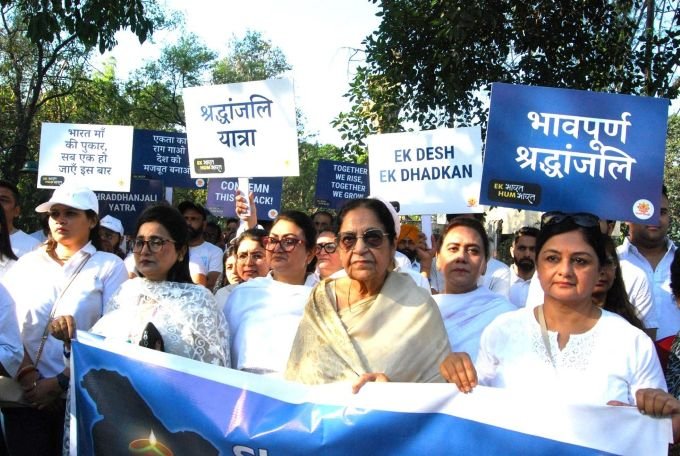
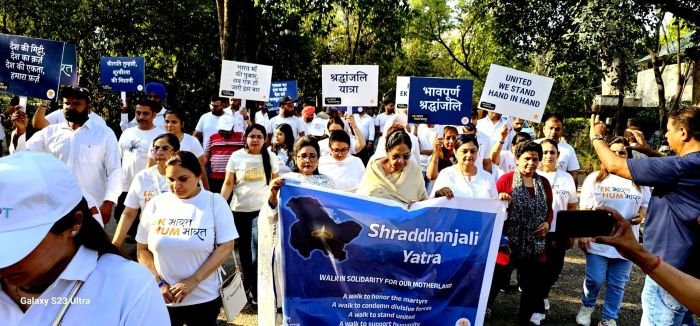
अमृतसर: पहलगाम शहीदों की याद में उमड़ा जनसैलाब

अमृतसर, ( राहुल सोनी ) रविवार को अमृतसर के ऐतिहासिक कंपनी गार्डन में एक मार्मिक दृश्य देखने को मिला, जब पहलगाम में हुए दुखद आतंकी हमले में शहीद हुए निर्दोष नागरिकों की स्मृति में ‘श्रद्धांजलि यात्रा’ का आयोजन किया गया। मैत्रीबोध परिवार द्वारा आयोजित इस शांतिपूर्ण मार्च में लगभग 125 लोगों ने गहरी श्रद्धा और एकजुटता के साथ भाग लिया।

यह श्रद्धांजलि यात्रा केवल दिवंगत आत्माओं को नमन करने का एक अवसर नहीं थी, बल्कि यह ‘एक भारत’ की भावना को जीवंत करने और प्रेम, एकता और करुणा के मूल्यों को बढ़ावा देने का एक शक्तिशाली प्रयास भी था। प्रतिभागियों ने हाथों में श्रद्धा के प्रतीक लिए हुए, मौन रूप से शहीदों को याद किया और उनके बलिदान को नमन किया।

यात्रा के दौरान, ‘एक भारत, हम भारत’ के बुलंद नारों से वातावरण गूंज उठा, जो उपस्थित लोगों के हृदय में देशभक्ति और भाईचारे की भावना को और प्रगाढ़ कर रहा था। हर कदम शहीदों के प्रति मौन सम्मान और प्रेम का संदेश दे रहा था। राहगीरों और स्थानीय लोगों ने भी इस पहल का समर्थन किया और प्रेम तथा एकता के संदेश को आगे बढ़ाने में अपना योगदान दिया।

एक भावुक प्रतिभागी ने अपनी संवेदना व्यक्त करते हुए कहा, “पहलगाम में जिन निर्दोष पर्यटकों को अपनी जान गंवानी पड़ी, वे घृणा के शिकार हुए। इस श्रद्धांजलि यात्रा के माध्यम से हम उन्हें प्रेम और सम्मान के साथ याद करते हैं। यह यात्रा इस सत्य को उजागर करती है कि यदि नफरत जीवन ले सकती है, तो प्रेम में जीवन देने की शक्ति भी है।”

मैत्रीबोध परिवार के एक प्रवक्ता ने इस अवसर पर कहा, “आज जब समाज में दूरियां बढ़ती जा रही हैं, ऐसे समय में मैत्रेय दादाश्रीजी के मार्गदर्शन में मैत्रीबोध परिवार प्रेम और एकता का एक जीवंत उदाहरण प्रस्तुत कर रहा है। यह यात्रा केवल कुछ कदमों का समूह नहीं थी, बल्कि यह दिलों को जोड़ने और मानवीय मूल्यों को स्थापित करने का एक महत्वपूर्ण प्रयास था।”

श्रद्धांजलि यात्रा का समापन कंपनी गार्डन में एक अनुशासित मौन साधना के साथ हुआ, जो शहीदों को समर्पित थी। यह एक ऐसा ऐतिहासिक क्षण था, जिसे हमेशा याद रखा जाएगा – जब भारत ने डर पर प्रेम को, विभाजन पर एकता को और निराशा पर आशा को चुना। इस पहल ने न केवल पहलगाम के शहीदों को श्रद्धांजलि अर्पित की, बल्कि पूरे देश को शांति, सद्भाव और एकता के सूत्र में बांधने का एक शक्तिशाली संदेश भी दिया। यह घटना मानवीय करुणा और अटूट राष्ट्रीय भावना का एक प्रेरणादायक उदाहरण बनी।

On Lord Parshuram’s Birth Anniversary, Haryana CM Nayab Singh Saini Urges Youth to Embrace Courage, Knowledge, and Service

0

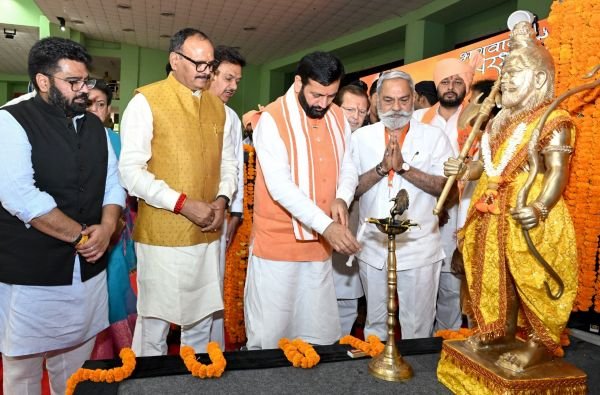
 In a powerful and soul-stirring address on the occasion of Lord Parshuram’s birth anniversary, Haryana Chief Minister Nayab Singh Saini called upon the youth to awaken the spirit of bravery, wisdom, and selfless service within themselves. Speaking at a grand celebration in District Panchkula, Saini emphasized that nurturing these values was not just an act of personal growth, but a critical national mission—paving the way for a developed, self-reliant India and a rejuvenated Haryana. The Chief Minister underlined the symbolic relevance of Lord Parshuram’s life even in today’s complex world, describing him as the eternal torchbearer in the fight against injustice and evil.

Addressing a gathering that included Haryana Cabinet Minister Dr. Arvind Sharma, Uttar Pradesh Deputy Chief Minister Brijesh Pathak, Rajya Sabha MP Kartikeya Sharma, and other prominent leaders like Surendra Nagar, Rekha Sharma, and Biplab Deb, Saini announced a grant of ₹31 lakh for the birth anniversary celebrations. His message was clear and resonant: India’s ancient Sanatan traditions, embodied by figures like Parshuram, must inspire a modern renaissance grounded in truth, integrity, and courage.

Chief Minister Saini stressed that Lord Parshuram was not merely a mythological figure but an enduring symbol of moral resistance—someone who fought tirelessly to dismantle structures of adharma, or unrighteousness, and establish dharma, the eternal cosmic order. Drawing a parallel between the sage’s resolve and today’s challenges, Saini said that his government was committed to advancing Prime Minister Narendra Modi’s vision under the mantra of “Sabka Sath, Sabka Vikas, Sabka Vishwas, Sabka Prayas”—ensuring inclusive growth, trust, and collective effort.

The Chief Minister reminded the audience that Lord Parshuram’s greatness lay not only in his martial prowess but also in his scholarship and commitment to education. As India charts its path toward becoming a technological and cultural powerhouse, Saini said, it must not lose sight of its civilizational roots. “Our traditions, our language, and our culture are the soul of our nation,” he said, asserting that true progress involves integrating modern innovation with spiritual and cultural wisdom.

In a world grappling with moral uncertainty and rapid technological upheaval, Saini’s message offered a timeless blueprint: the principles laid down by sages like Lord Parshuram must remain foundational to India’s journey toward global leadership. As India today leads movements like Digital India, Startup India, and Make in India, the Chief Minister noted that the same spirit of resolve and patriotism that defined Lord Parshuram’s life must now energize the nation’s youth. In an age of Artificial Intelligence and space exploration, the ancient call for courage, knowledge, and service remains startlingly relevant.

To honor and institutionalize the legacy of Lord Parshuram, Saini highlighted several government initiatives. He announced that a medical college currently being established in Kaithal will bear Lord Parshuram’s name, a move aimed at inspiring future generations through his enduring ideals. Additionally, the government has granted a gazetted holiday on Lord Parshuram’s birth anniversary, and allotted land to the Gaud Brahmin College in Pahrawar village, reinforcing its commitment to cultural preservation alongside educational advancement.

The event was not just a commemoration but a reaffirmation of values in an era that often seeks quick solutions to complex problems. In invoking Lord Parshuram’s life and message, Nayab Singh Saini crafted a narrative of resilience, purpose, and collective national aspiration—calling on Indians to be the architects of a future where ancient wisdom and modern ambition walk hand in hand.

#LordParshuram #HaryanaCM #DevelopedIndia #YouthEmpowerment #IndianCulture #SabkaSaathSabkaVikas #GlobalLeadership #AncientWisdomModernWorld #DigitalIndia #VishwaGuruIndia

This is an auto web-generated news web story.
Major Hooch Tragedy Averted With Seizure of 2,240 Liters of Illicit ENA: Harpal Singh Cheema

0

Seized ENA could have been used to produce nearly 10,000 bottles of illicit liquor

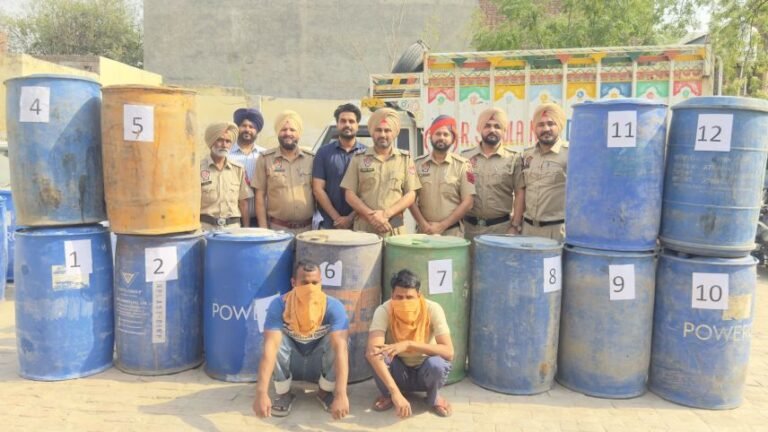
Sangrur, : Punjab Finance, Planning, Excise, and Taxation Minister, Advocate Harpal Singh Cheema, today announced a significant breakthrough in the state’s ongoing ‘Yudh Nashian Virudh’ (War Against Drugs) campaign, with the seizure of 2,240 liters of illegally pilfered Extra Neutral Alcohol (ENA), averting a potential major hooch tragedy. In addition, the Minister highlighted the campaign’s success in registering 4,745 NDPS cases, arresting 7,536 individuals, and demolishing illegal properties of 71 smugglers.

Addressing a press conference at Sangrur, Finance Minister Harpal Singh Cheema, who also chairs the ‘Yudh Nashian Virudh’ Cabinet Sub-Committee, revealed the details of the operation. “Acting on credible intelligence, a joint team of the Excise Department and Sangrur Police intercepted a vehicle on the Sangrur-Dirba Highway carrying approximately 200 liters of illicit ethanol. The driver, identified as Shaan Mohd., was apprehended,” said Cheema.

“Further investigation led to the discovery of a clandestine storage facility, resulting in the recovery of 34 drums, each containing 60 liters, totaling 2,040 liters of ENA. Another accused, Armaan Mohd., was also taken into custody during the raid,” he added.

Emphasizing the gravity of the seizure, Finance Minister Harpal Singh Cheema said that this operation has successfully prevented a potential hooch tragedy, as this ENA could have been used to produce nearly 10,000 bottles of illicit liquor. He said that investigations are ongoing to identify and apprehend all individuals involved in the racket, and stringent legal action will be taken against them.

Providing details of the progress under the “Yudh Nashian Virudh” ​​campaign, Finance Minister Cheema said that so far, 4,745 NDPS cases have been registered, 7,536 individuals have been arrested, and the illegal properties of 71 smugglers have been demolished. Additionally, significant quantities of drugs have been seized, including 301 kg of heroin, 9,969 kg of poppy husk, 154 kg of opium, 96 kg of ganja, and 21,84,276 tablets or capsules of banned drugs.

The Finance Minister highlighted the success of the coordinated efforts between the state Excise and Police departments in curbing the smuggling of illicit liquor in the state. “Recently, four FIRs have been registered against individuals smuggling liquor into the state, and another FIR was registered at Police Station Chhajli”, he added.

Attributing the success of the ‘Yudh Nashian Virudh’ campaign to the support of the people, Finance Minister Cheema expressed gratitude to the citizens of Punjab for their cooperation and assistance in the war against drugs and illicit liquor trade. He assured that the Excise and Police departments will continue to work tirelessly to ensure a safer and healthier environment for the people of Punjab.

Himachal Pradesh Reshuffles 17 IAS Officers, Key Administrative Changes Announced

0

In a major bureaucratic reshuffle, the Himachal Pradesh government has transferred and posted 17 Indian Administrative Service (IAS) officers to streamline governance and improve administrative efficiency across the state. The orders were issued following the recommendations of the Civil Services Board and have been implemented with immediate effect.

According to the official notification, Dr. Nipun Jindal will now serve as the Director of Digital Technologies and Governance, in addition to his existing charge as Managing Director of HRTC, Shimla. This move is seen as a strategic step to boost the state’s digital governance initiatives while strengthening public transport management.

Abid Hussain Sadiq has been appointed as the Managing Director of Himachal Pradesh Power Corporation Ltd. His experience is expected to bring new momentum to the state’s energy sector projects.

Rohit Jamwal has been assigned the role of State Director, Ayush, a crucial department promoting traditional Indian medicine systems. Meanwhile, Priyanka Verma has taken over as the Deputy Commissioner of Sirmaur, and Rahul Kumar has been posted as the Deputy Commissioner of Lahaul-Spiti, vital districts for state administration and development efforts.

Further strengthening the healthcare sector, Pradeep Kumar Thakur has been designated as Mission Director, National Health Mission, Himachal Pradesh. His role will be critical in enhancing public health services in the state.

To enrich the cultural and educational landscape, Rima Kashyap has assumed charge as the Director of Language, Art & Culture, along with being the Secretary of HP Academy of Art & Culture.

Sumit Khimta has been appointed as the Director of Empowerment of SCs, OBCs, Minorities, and Specially Abled, indicating the government’s focus on inclusive development.

In the cooperative sector, Zaffar Iqbal will now serve as the Managing Director of Kangra Central Cooperative Bank Ltd. Moreover, Dr. Pankaj Lalit has been made Director, Women & Child Development, signaling greater attention toward gender and child-centric policies.

Ms Ritika has been posted as the Commissioner of Dharamshala Municipal Corporation and CEO-cum-MD of Dharamshala Smart City Ltd., pivotal roles for urban development.

Om Kant Thakur has been appointed Additional Deputy Commissioner (Dev.)-cum-Project Director (DRDA), Bilaspur, while Abhishek Kumar Garg has been assigned the corresponding role in Hamirpur.

In the field of education, Vijay Wardhan will serve as the Secretary, HP Board of School Education, Dharamshala, ensuring the smooth functioning of the state’s educational administration.

At the Sub-Divisional level, Mrs. Rupinder Kaur will take over as SDO (Civil), Mandi, and Dr. Rajdeep Singh will serve as SDO (Civil), Bilaspur.

The reshuffle is seen as an effort to invigorate various departments with new leadership, streamline developmental activities, and further the state government’s objective of ensuring better service delivery to citizens.

#HimachalPradesh #IASReshuffle #AdministrativeChanges #GoodGovernance #BureaucraticReforms #HimachalNews #IndiaNews

This is an auto web generated news web story.

Reports Emerge of US Renewed Interest in Afghanistan’s Bagram Air Base

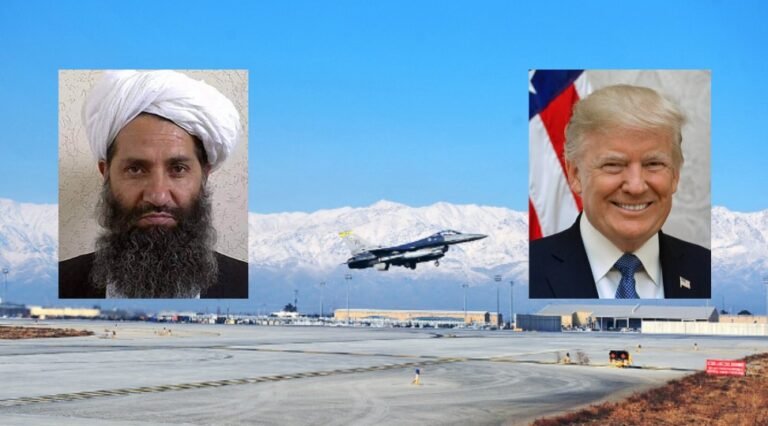
Saptrishi Soni: The news is coming that the United States may be quietly exploring the reactivation of the Bagram Air Base in Afghanistan, a development that could significantly reshape the region’s political and security dynamics. Situated north of Kabul, Bagram has long been recognized as one of the world’s most strategically important military installations. Originally constructed during the Cold War, it served as a pivotal hub for Soviet operations during their occupation of Afghanistan and later became the cornerstone of US military efforts during the two-decade-long conflict that followed the events of 2001.

Bagram’s significance lies not merely in its location but in its infrastructure — boasting two massive runways built to accommodate the heaviest military aircraft, fortified perimeters, and facilities capable of supporting a large and sustained military presence. Its strategic value is unparalleled in the region, offering a direct line of sight into Central Asia, Iran, and China. For any nation seeking to monitor or project power across this sensitive geopolitical corridor, Bagram stands as an irreplaceable asset.

Recent reports suggest that after years of disengagement, American aircraft have once again touched down at Bagram, transporting equipment, military vehicles, and senior intelligence officials. Though officially denied by local authorities, this activity points to a renewed American interest in maintaining a foothold in Afghanistan. The move comes at a time when the broader global order is shifting, and Washington appears to be recalibrating its approach towards the region amidst growing competition with other global powers.

If the United States does indeed re-establish operations at Bagram, it would mark a significant shift not just in military posture but also in diplomatic relations with Afghanistan’s current ruling establishment. For the leadership in Kabul, engaging with Washington offers the possibility of political legitimacy, economic support, and potential access to billions of dollars in frozen assets held overseas. For the United States, securing access to Bagram could provide an essential outpost to monitor security threats, manage regional stability, and counter the influence of rival nations.

The implications of such a development are profound. A renewed US presence at Bagram could serve as a deterrent to extremist groups seeking to exploit Afghanistan’s fragile situation. It could also help to stabilize the broader region by offering the international community a partner in managing the humanitarian and security crises that continue to plague the country. However, this shift could also ignite internal tensions within Afghanistan’s power structures, many of whom have long opposed any foreign military footprint on their soil.

For Washington, the decision to re-engage through Bagram appears to be a strategic necessity rather than a mere military maneuver. The region’s complex web of threats, alliances, and shifting loyalties demands a stable and secure platform from which to operate. As both sides navigate this delicate courtship, the revival of Bagram could set new parameters for the relationship between Afghanistan and the United States — moving from an era marked by conflict and withdrawal to one shaped by cautious cooperation and mutual strategic interests.

While official confirmations remain elusive and denials continue to be issued, the very possibility of Bagram’s reactivation suggests that the past is far from forgotten, and the future of Afghanistan’s relationship with the United States is being quietly rewritten — one runway at a time.

#BagramAirBase #Afghanistan #USMilitary #Geopolitics #SouthAsiaNews #StrategicRelations #InternationalAffairs #GlobalSecurity #ForeignPolicy #DefenseUpdates

This is an auto web generated news web story.