Home Blog Page 217

India-Nepal Energy Cooperation Gains Momentum with Ministerial Visit to Arun-3 Hydropower Project

0

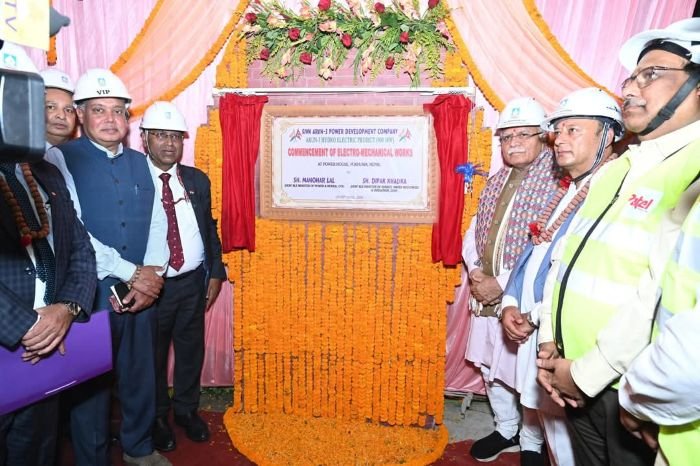
In a significant step forward for regional energy cooperation and infrastructure development, India’s Minister of Power, Shri Manohar Lal, and Nepal’s Energy Minister, Shri Deepak Khadka, jointly visited the under-construction 900 MW Arun-3 Hydroelectric Project in Nepal. The project, one of the largest cross-border energy ventures between the two nations, is being implemented by SJVN Arun-3 Power Development Company (SAPDC), a wholly owned subsidiary of India’s public sector undertaking SJVN Limited.

The visit, which underlined the strategic importance of the Arun-3 project in enhancing energy security and strengthening bilateral ties, was marked by a series of high-level inspections and reviews of ongoing construction activities. Upon arrival at Kathmandu airport, the Indian Power Minister was received by Shri R.K. Chaudhary, Chairman and Managing Director of SJVN (Additional Charge), who accompanied the ministerial delegation throughout the site visit.

Joining the delegation were several prominent dignitaries, including His Excellency Shri Naveen Srivastava, Indian Ambassador to Nepal, Shri Suresh Acharya, Secretary, Ministry of Energy, Government of Nepal, Shri Akash Tripathi, Additional Secretary, Ministry of Power, Government of India, and Shri Sushil Gyawali, CEO of the Investment Board Nepal. Their presence reflected the high-level coordination and cooperation between both governments to ensure the timely execution of the Arun-3 project, a key milestone in the broader energy partnership.

The ministers inspected critical components of the powerhouse, including the site of turbine assembly where substantial progress has been made. Shri Prashant Sharma, CEO of SAPDC, briefed the delegation on the progress of civil and electro-mechanical works, highlighting the commitment of the workforce and the steady adherence to timelines. Commending the quality and pace of construction, both ministers jointly inaugurated the commencement of electro-mechanical works for Unit #2, a symbolic yet significant milestone for the project.

The delegation later visited the dam site, a crucial segment of the hydropower infrastructure. They conducted a detailed review of the Head Race Tunnel (HRT) works, which form the backbone of water conveyance for power generation. The 11.7-kilometer-long tunnel, whose excavation was successfully completed in June 2024, had earlier been acknowledged by Nepal’s Prime Minister in a formal ceremony. Currently, benching and lining works for the tunnel are underway and progressing as scheduled, with completion anticipated in the coming months.

Both ministers expressed satisfaction with the progress of the HRT and encouraged SAPDC engineers and workers to accelerate efforts at the dam site to ensure that construction milestones are met within the stipulated timelines. They acknowledged the critical role the Arun-3 project will play not only in meeting Nepal’s domestic energy demands but also in boosting regional power trade and contributing to India’s clean energy goals.

The Arun-3 project, once operational, is expected to generate 3,924 million units of electricity annually, of which a significant portion will be exported to India. It symbolizes a shared vision for energy security, green development, and mutual growth between India and Nepal. Moreover, it exemplifies India’s commitment to supporting sustainable infrastructure development in neighboring countries through public sector collaboration and capacity building.

The ministerial visit to the Arun-3 site reaffirms the importance of strategic cooperation in the Himalayan region, particularly in tapping into its immense hydropower potential. It also sends a strong message about the evolving India-Nepal partnership, which continues to mature into a multi-faceted relationship rooted in connectivity, commerce, and energy.

#IndiaNepalRelations #Arun3HydroProject #SJVN #CleanEnergy #RegionalCooperation #HydropowerDevelopment

This is an auto web generated news web story.
Haryana Approves ₹37.68 Crore Incentive for State’s First Medical Liquid Oxygen Plant and Captive Solar Power Project

0

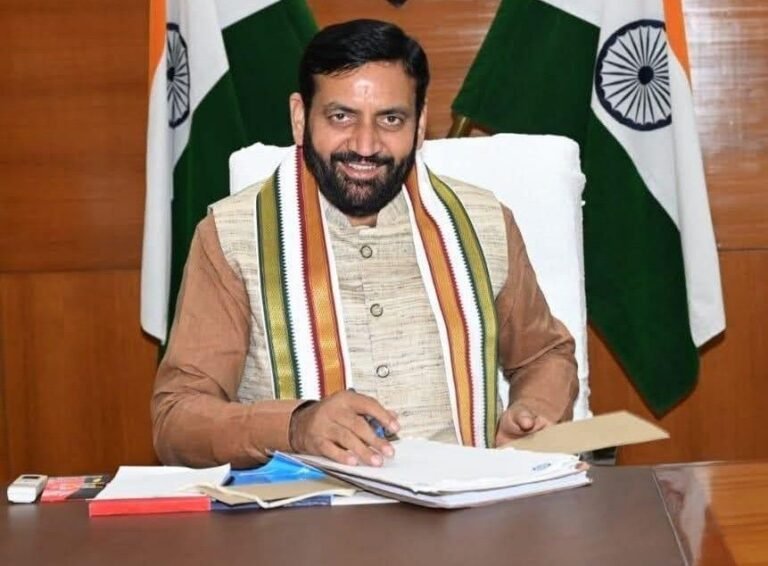
In a significant push to industrial expansion and self-reliance in healthcare infrastructure, Haryana Chief Minister Naib Singh Saini has approved a special incentive package worth ₹37.68 crore for the establishment of the state’s first Medical Liquid Oxygen Plant in Jhajjar and a Captive Solar Power Plant in Ambala. This strategic move, aimed at fostering innovation and sustainable growth, is expected to not only attract high-value investments but also generate direct employment for local youth, further energizing the state’s economy.

The decision was formalized during the 17th meeting of the Haryana Enterprise Promotion Board (HEPB), chaired by Chief Minister Saini himself. The board approved the incentive package to M/s Air Products Private Limited, a leading player in the industrial gases and energy solutions sector, based on the recommendations of the Empowered Executive Committee headed by the Principal Secretary to the Chief Minister.

According to the project plan, the total investment of ₹125.49 crore will be split between the two initiatives—₹72.24 crore for the establishment of the Medical Liquid Oxygen Plant in Jhajjar and ₹48.25 crore for the Captive Solar Power Plant in Ambala. The oxygen plant, which will be the first of its kind in Haryana, is expected to generate nearly 100 employment opportunities. Apart from meeting the growing healthcare needs, it also strengthens the state’s preparedness in medical emergencies.

Present at the meeting were key cabinet ministers including Industry and Commerce Minister Rao Narbir Singh, Public Health Engineering Minister Ranbir Gangwa, and Cooperation Minister Dr. Arvind Sharma, who collectively expressed optimism about the long-term impact of such forward-looking projects.

Chief Minister Saini emphasized that the introduction of these projects within the chemicals and petrochemicals segment represents a critical leap for Haryana, setting the foundation for increased industrial momentum and greater private participation. The dual benefit of investment inflow and employment generation, he said, will help build a more resilient state economy with direct benefits to regional development.

The board also gave a green signal to extend the investment timeline for M/s ATL Battery Technology (India) Private Limited. This company is in the process of setting up a mega lithium-ion battery and cell manufacturing facility at IMT Sohna in the Nuh district. The ₹7,083 crore project, divided into two phases, is poised to become a game-changer in India’s push toward electric mobility and energy storage solutions. With Phase I investment of ₹3,595 crore and Phase II investment of ₹3,488 crore, the facility is anticipated to generate employment for over 6,700 individuals in the region.

In another noteworthy development, the HEPB approved the transfer of an earlier sanctioned incentive package of ₹25.58 crore from M/s Panasonic India Private Limited to its subsidiary, M/s Panasonic Life Solutions India Private Limited. This project involves setting up a mega facility for refrigerator manufacturing in the Techno Park of Beed-Dadri village, located in Jhajjar district. With an investment of ₹114 crore, this unit is expected to provide employment to over 150 people, reinforcing Haryana’s status as a growing hub for consumer durables and electronics manufacturing.

These approvals underscore Haryana’s proactive industrial policy and commitment to ease-of-doing-business. The state’s enterprise-friendly ecosystem, backed by timely policy interventions, has been pivotal in drawing both domestic and global investors, while also aligning with the broader ‘Make in India’ and ‘Atmanirbhar Bharat’ visions.

As the Chief Minister’s administration continues to focus on high-impact sectors like clean energy, electronics, and medical infrastructure, Haryana is fast emerging as a destination of choice for sustainable industrial growth. With strategic investments, streamlined processes, and policy clarity, the state is setting new benchmarks in regional development and employment generation.

#NaibSinghSaini #HaryanaIndustrialGrowth #MedicalOxygenPlant #SolarPowerPlant #MakeInIndia #EmploymentBoost

This is an auto web generated news web story.
CM Naib Singh Saini Allows Offline Crop Procurement in Non-Consolidated Villages, Expands Farmer-Centric Reforms

0

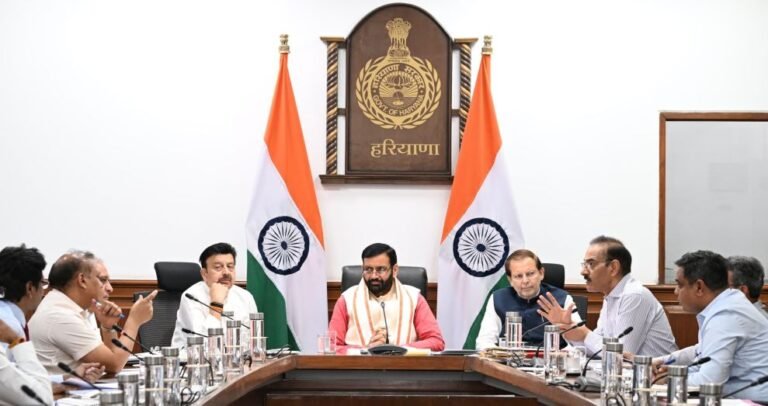
In a decisive move aimed at resolving one of the pressing issues faced by Haryana’s farmers, Chief Minister Naib Singh Saini has directed officials to initiate offline procurement of crops in villages where land consolidation has yet to take place. The Chief Minister, while presiding over a high-level review meeting of the Food, Civil Supplies and Consumer Affairs Department, underscored his government’s unwavering commitment to safeguarding farmers’ interests and ensuring that no cultivator is left behind due to procedural or digital constraints.

The decision comes against the backdrop of complications arising from the Meri Fasal – Mera Byora portal, which is the state’s digital system for crop registration and procurement. Farmers residing in non-consolidated villages have long been grappling with difficulties in listing their produce on the portal due to the unavailability of structured land data. Recognizing the limitations of digital exclusivity in such regions, Chief Minister Saini ordered that crops from these villages be purchased through offline processes with immediate effect, ensuring seamless market access and fair returns to farmers across the state.

The move marks another major pro-agriculture step by the newly appointed Chief Minister, who has consistently signaled that farmer welfare remains central to his administration’s agenda. By acknowledging the ground-level challenges faced in villages still awaiting land consolidation, the Chief Minister has reaffirmed his sensitivity to real-time issues and his readiness to employ flexible governance tools for immediate relief.

Also present during the meeting was Minister of State for Food, Civil Supplies and Consumer Affairs, Rajesh Nagar, who supported the initiative and lauded the timely intervention aimed at streamlining procurement in underserved regions.

Beyond crop procurement, the Chief Minister also reviewed progress under the Har Ghar-Har Grihini scheme, under which over 17.40 lakh women have already registered. In an effort to ensure accurate targeting and benefits delivery, he instructed officials to verify the data related to Ujjwala Yojana and Below Poverty Line (BPL) families through door-to-door surveys. This is seen as a critical step toward eliminating discrepancies and ensuring that welfare initiatives reach the intended beneficiaries without delay or error.

Additionally, the Chief Minister emphasized consumer convenience and instructed representatives of gas companies to organize local camps at depots for distributing LPG cylinders. Reiterating the government’s commitment to affordable fuel, he confirmed that BPL households will continue to receive LPG cylinders at the subsidized rate of ₹500, further strengthening the social safety net for economically weaker families.

Senior officials present at the meeting included Chief Principal Secretary to the Chief Minister Rajesh Khullar, Principal Secretary Arun Kumar Gupta, Director of the Food and Civil Supplies Department Rajesh Jogpal, and other representatives from gas companies and government bodies, all of whom pledged coordinated action to implement the directives efficiently.

This policy pivot toward offline procurement, along with enhanced grassroots verification of beneficiary data and continued fuel subsidies, represents a comprehensive approach to responsive governance. At a time when digitization dominates public service delivery models, Haryana’s government has demonstrated that adaptability remains crucial—especially when the livelihoods of millions are at stake.

The Chief Minister’s dual focus on agricultural and consumer welfare reinforces the message that progress must be inclusive, accessible, and adaptable to the state’s diverse socio-economic landscape. As his government moves forward with this approach, Haryana is poised to set an example of how digital innovation and human-centric flexibility can co-exist in modern governance.

#NaibSinghSaini #HaryanaFarmers #MeriFasalMeraByora #OfflineCropProcurement #HarGharHarGrihini

This is an auto web generated news web story.
Himachal Pradesh to Move Court for Regularizing Over 2,000 Pre-FRA Roads Built on Forest Land

0

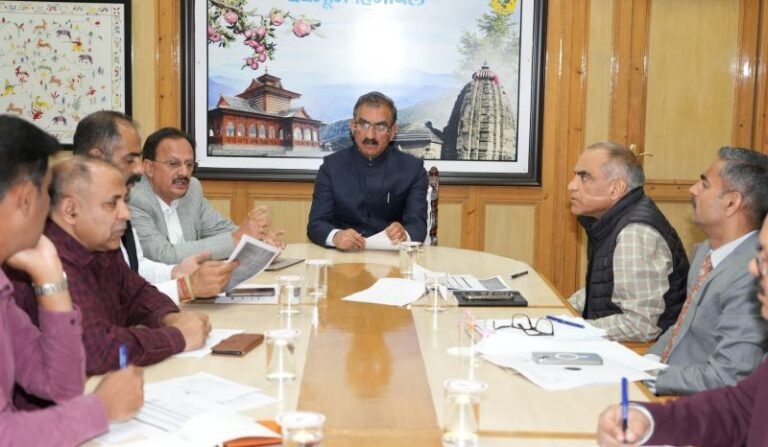
In a move that could have far-reaching implications for infrastructure and environmental policy in Himachal Pradesh, the state government has decided to file a review petition before May 10, 2025, seeking the regularization of over 2,000 roads constructed in violation of the Forest (Conservation) Act, 1980. Chief Minister Thakur Sukhvinder Singh Sukhu, while presiding over a high-level meeting of the Forest Department, emphasized that this legal recourse is essential to safeguard public interest and address long-standing infrastructural needs in the hilly state.

The roads in question, numbering 2,183, span across various forest zones in the state and were constructed prior to the implementation of the Forest Rights Act (FRA), 2006. Himachal Pradesh formally adopted the FRA in 2016, much later than many other Indian states. The Act, designed to recognize the traditional rights of forest-dwelling communities, particularly those who have resided on and depended on forest land for generations, has become a key reference point in determining the legality of development activities in forested regions.

Of these roads, 613 fall within the Shimla zone, 821 in the Mandi zone, 254 in Hamirpur, and 495 in the Kangra zone. While these roads were originally built without statutory forest clearances, many of them now serve as critical links for rural mobility, emergency services, agriculture, and market access in remote areas. Their continued use over the years has highlighted their undeniable role in the daily lives of forest-adjacent communities.

Chief Minister Sukhu’s directive to the Forest Department to take “appropriate legal steps” underscores the balancing act between developmental imperatives and environmental compliance. The State Government appears committed to presenting its case in court through a review petition, seeking post-facto approval of these roads in light of their essential nature and the time of their construction — prior to the enforcement of the FRA in the state.

The presence of key cabinet members at the meeting, including Industries Minister Harshwardhan Chauhan and Rural Development and Panchayati Raj Minister Anirudh Singh, reflected the multi-departmental concern over the issue. Also present were Additional Chief Secretary K.K. Pant, Secretary Law Sharad Kumar Lagwal, and Additional Principal Chief Conservator of Forest Sanjay Sood, among other senior officials, indicating the seriousness with which the state administration is approaching the matter.

This step comes at a time when Himachal Pradesh is grappling with the dual challenge of preserving its fragile ecology while ensuring that its people, especially in the interior and rural belts, are not deprived of basic connectivity. Environmental regulations such as the Forest Conservation Act are crucial for sustainable development, but many argue that their rigid retrospective application to infrastructure built decades earlier often puts mountain communities at a disadvantage.

Legal observers point out that the state government’s decision to file a review petition could set a precedent for other hill states where similar situations may exist — roads and infrastructure created under pressing public needs but without formal clearances, long before the FRA was enacted or adopted. The outcome of this petition will therefore be closely watched by other states, policy makers, and environmental watchdogs alike.

What adds further weight to the state’s case is the larger social and developmental context. These roads are not simply rural thoroughfares but are lifelines for communities who otherwise remain cut off during harsh winters, monsoon landslides, or medical emergencies. For many, the question is not one of legality alone, but one of equity, inclusion, and the right to development for forest-dependent communities.

If the court allows the regularization of these roads, it could unlock new possibilities for planned and regulated infrastructure upgrades in forest areas — without reversing the spirit of conservation. However, the decision will also demand stringent environmental safeguards going forward, to ensure that any such concessions are not misused or extended to newer unauthorized constructions.

As the Himachal Pradesh government prepares its legal argument, it is clear that the issue has grown beyond administrative boundaries to become a larger question of harmonizing development with ecological justice. With the review petition set to be filed before May 10, the coming weeks may see a critical turning point in how India addresses the intersection of environmental law and ground realities in its forest regions.

#HimachalForestRoads #SukhvinderSinghSukhu #ForestAct1980 #PublicInterestDevelopment #LegalRecourse

This is an auto web generated news web story.

Shakti Dubey Tops UPSC 2024, Three Women Among Top Five as India Celebrates Academic Excellence

0

India’s most prestigious civil services examination has once again spotlighted academic brilliance and dedication, with Shakti Dubey emerging as the topper of UPSC 2024. The Union Public Service Commission (UPSC) announced the eagerly awaited results on Tuesday, marking a significant moment for aspirants and families across the country. This year’s result is especially inspiring, as three of the top five ranks have been secured by women, showcasing a continued trend of strong female representation at the top of the nation’s bureaucratic ladder.

Hailing from Uttar Pradesh, Shakti Dubey has topped the examination with Political Science and International Relations as her optional subject. A graduate in Biochemistry from the University of Allahabad, Dubey’s academic journey reflects a blend of science and governance, offering a promising outlook on the kind of intellectual versatility that the Indian bureaucracy is beginning to embrace. Her success story is not just about topping a competitive exam; it’s a powerful narrative of how diverse educational backgrounds are finding their rightful space in policy and administration.

Ranked second is Harshita Goyal, a commerce graduate from MS University of Baroda, who too had opted for Political Science and International Relations. Following closely at the third rank is Dongre Archit Parag, an engineering graduate in electrical and electronics from VIT, Tamil Nadu. Unlike the top two, he chose Philosophy as his optional subject, proving that a thoughtful understanding of human values and reasoning can also pave the way to administrative excellence.

Completing the top five are Shah Margi Chirag, a computer engineer from Gujarat Technological University, who secured the fourth rank with Sociology as her optional subject, and Aakash Garg, a tech graduate from Delhi’s Guru Gobind Singh Indraprastha University, also choosing Sociology and ranking fifth. Together, this top tier represents a spectrum of academic disciplines—science, technology, commerce, and humanities—reinforcing UPSC’s inclusive approach to talent.

This year, the UPSC has recommended a total of 1,009 candidates, including 284 women and 725 men, for appointment to the Indian Administrative Service (IAS), Indian Foreign Service (IFS), Indian Police Service (IPS), and other allied services. From over 9.9 lakh applicants, only about 2,845 made it to the final interview stage, a testament to the exam’s rigorous standards. Out of these, more than a thousand candidates made the final cut. The diversity doesn’t end with gender or discipline; the top 25 candidates represent elite academic institutions like IITs, NITs, VIT, JNU, DU, and Allahabad University, and have taken a wide range of optional subjects from Anthropology to Tamil Literature.

A heartening inclusion in the merit list is the presence of 45 candidates with benchmark disabilities, showcasing UPSC’s sustained commitment to inclusive representation in civil services. This group comprises individuals with orthopedic, visual, hearing, and multiple disabilities, reflecting resilience and determination that goes beyond traditional notions of success.

Interestingly, the 2024 examination will fill 1,129 vacancies in total, which includes 180 positions in IAS, 147 in IPS, and 55 in IFS, along with several roles in central Group A and Group B services. These future officers are set to become part of India’s administrative machinery at a critical time of policy transformation and digital governance.

The success of these candidates has once again brought the civil services examination into the national spotlight, not just for its competitive rigor, but for its ability to attract and reward diverse academic minds. With strong female representation, participation from candidates with disabilities, and a high level of academic excellence, UPSC 2024 results send a powerful message: India’s administrative future lies in inclusive meritocracy.

This year’s result also adds a new chapter to India’s long-standing tradition of public service, where young minds from every corner of the country are tested not just for knowledge, but for vision, resilience, and commitment to nation-building. The nation now looks forward to seeing these bright individuals take on real-world responsibilities, drafting policies, administering districts, and representing India on international platforms.

As the new batch of officers prepares to enter India’s civil services, their achievements will undoubtedly inspire the next generation of aspirants. With the optional subjects becoming increasingly diverse and regional representation growing every year, the UPSC is steadily becoming more reflective of the country it seeks to govern.

#UPSC2024 #ShaktiDubey #CivilServicesTopper #IASDream #UPSCResults

This is an auto web generated news web story.

अप्रत्याशित मौसम बना हिमाचल प्रदेश के लिए चुनौती,बर्फबारी, बारिश और भूस्खलन से जनजीवन प्रभावित

हिमाचल प्रदेश में मौसम का मिजाज लगातार बदलता जा रहा है और इसका असर आम जनजीवन से लेकर किसानों और पर्यटकों तक सभी पर साफ़ दिखाई दे रहा है। पहाड़ी राज्य के ऊपरी और निचले इलाकों में एक बार फिर बारिश, बर्फबारी और ओलावृष्टि की घटनाएं लोगों के लिए परेशानी का कारण बनती जा रही हैं। मौसम विभाग ने 24 अप्रैल से एक बार फिर पश्चिमी विक्षोभ के सक्रिय होने की चेतावनी जारी की है, जिससे आने वाले दिनों में प्रदेश के कई जिलों में मौसम और भी विकराल हो सकता है।

इस अस्थिर मौसम ने सबसे ज़्यादा चिंता किसानों और बागवानों को दी है, जिनकी फसलें अब मौसम की मार झेल रही हैं। गेहूं की फसल जहां भीगने से सड़ने की कगार पर है, वहीं जो किसान पहले ही कटाई कर चुके थे, उनकी उपज खेतों में ही पड़ी-पड़ी खराब हो रही है। हमीरपुर, ऊना और कांगड़ा जैसे जिलों में रुक-रुक कर हो रही बारिश और ओलावृष्टि ने खेतों को नुकसान पहुंचाया है और कई जगह फलों की फसलें भी प्रभावित हुई हैं। यह परिस्थिति उन किसानों के लिए दोहरी मार जैसी है, जो प्राकृतिक आपदा और बाज़ार दोनों से पहले ही जूझ रहे थे।

राजधानी शिमला में सोमवार को दोपहर के समय तेज़ बारिश ने तापमान में गिरावट दर्ज कराई, वहीं लाहौल स्पीति की घाटियों में बर्फबारी लगातार जारी रही। कुल्लू-मनाली क्षेत्र में रोहतांग, कुंजम और बारालाचा दर्रों पर एक फीट तक ताज़ा हिमपात दर्ज किया गया है, जिससे तापमान औसतन आठ डिग्री सेल्सियस तक गिर गया। इससे न केवल आवाजाही बाधित हुई है, बल्कि स्थानीय लोगों को भी जीवन के सामान्य कार्यों में कठिनाई का सामना करना पड़ रहा है।

इस बीच चंबा जिले में भूस्खलन की घटनाओं ने हालात और बिगाड़ दिए हैं। किलाड़-कुल्लू मनाली हाईवे नौ घंटे तक अवरुद्ध रहा और एक कार मलबे में दब गई। वहीं, चुराह घाटी के कुलयाड़ा नाले में भूस्खलन के चलते नौ भेड़-बकरियां मलबे की चपेट में आ गईं, जिससे स्थानीय ग्रामीणों को भारी नुकसान हुआ। लंगेरा-भांदल को जोड़ने वाली अस्थायी पुलिया भी तेज बहाव में बह गई, जिससे कई गांवों का संपर्क मुख्य मार्गों से कट गया है।

पर्यटन की दृष्टि से अहम माने जाने वाले कुल्लू-मनाली और लाहौल क्षेत्रों में लगातार हो रही बर्फबारी और सड़क अवरोधों के चलते पर्यटकों को भी काफी दिक्कतों का सामना करना पड़ रहा है। होटल व्यवसायियों की मानें तो इस अनिश्चित मौसम का सीधा असर पर्यटन पर पड़ रहा है और आने वाले समय में बुकिंग्स में गिरावट की आशंका है।

हिमाचल का यह अप्रत्याशित और बार-बार बदलता मौसम अब सामान्य जीवन के लिए खतरे का संकेत बनता जा रहा है। मौसम विभाग की ताज़ा चेतावनी ने स्थिति को और भी गंभीर बना दिया है। 24 अप्रैल से मौसम के और बिगड़ने की संभावना के चलते प्रशासन अलर्ट पर है, लेकिन पर्वतीय राज्यों में मौसम की मार से निपटना हमेशा से चुनौतीपूर्ण रहा है। किसानों को राहत देने के लिए अब सरकार को तुरंत हस्तक्षेप करने और मुआवज़े जैसी नीतिगत योजनाओं को तेज़ी से लागू करने की आवश्यकता है।

यह स्पष्ट है कि हिमाचल प्रदेश इस समय एक कठिन दौर से गुजर रहा है—जहां बदलते मौसम ने प्राकृतिक सौंदर्य को तो सजाया है, लेकिन साथ ही जीवन की स्थिरता को भी डगमगाया है।

#HimachalWeather #SnowfallInHimachal #RainAlert #FarmersDistress #WeatherUpdateIndia

यह एक ऑटो वेब जनरेटेड न्यूज़ वेब स्टोरी है।

Terror Strikes Tranquility: Tourist Meadow in Kashmir’s Pahalgam Turns Scene of Horror

0

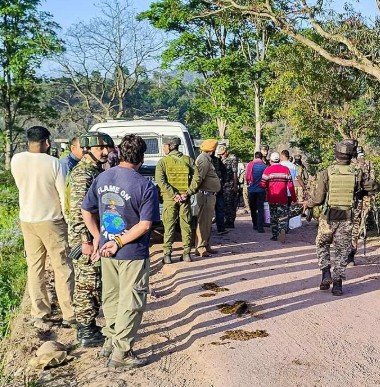
In a shocking reminder of the fragile peace that continues to loom over the Kashmir Valley, at least a dozen tourists were injured in a brutal terrorist attack in the picturesque Pahalgam region of Anantnag district, Jammu and Kashmir. The incident, which unfolded in the serene meadows of Baisaran—a location only accessible by foot or pony—has shaken the region that was only recently basking in a tourism revival.

What began as a peaceful morning of exploration quickly descended into chaos and terror. A group of holidaymakers, lured by the natural beauty of the Baisaran meadows, found themselves caught in a deadly ambush when unidentified gunmen opened fire from close range. Screams echoed through the valley as bullets shattered the calm, injuring several tourists. Eyewitness accounts describe a harrowing scene. One woman, speaking over the phone to a news agency, revealed that her husband was shot in the head and several others were critically injured in the sudden assault. Her desperate plea for medical evacuation underscored the urgency and horror of the situation.

Responding swiftly, local authorities deployed a helicopter to airlift the injured, while residents and pony owners helped carry the wounded down from the remote meadow. In an act of courage and humanity, many locals stepped in where seconds could mean the difference between life and death. Their timely intervention played a key role in stabilizing the wounded until they could be admitted to the Pahalgam hospital, where doctors have since confirmed that all 12 injured tourists are currently in stable condition.

Even as security forces rushed to the site following the reports of gunfire, the brazenness of this daylight attack on innocent civilians has once again raised urgent questions about the security architecture in the valley—especially in regions now considered safe for tourism. The timing of the attack is particularly grim, as Kashmir has seen a notable surge in tourist arrivals this year, with travelers from across India rediscovering the valley’s famed beauty, hospitality, and cultural richness after years of unrest.

For many, Baisaran represents the postcard Kashmir—lush alpine meadows, framed by snow-capped peaks, a place of dreams. That this dreamscape has now turned into a site of bloodshed and terror will undoubtedly leave deep scars on the psyche of potential tourists, threatening the region’s delicate path toward normalcy and economic rejuvenation.

This incident also comes at a time when the Union Territory administration has been aggressively promoting tourism as a symbol of a ‘new Kashmir’—one that is open, peaceful, and ready for the world. However, the attack serves as a stark reminder that beneath the surface of newfound optimism, deep-rooted challenges remain.

Local security agencies have launched a manhunt for the perpetrators, with heightened surveillance and combing operations underway. The broader security apparatus is also likely to be revisited, particularly around tourist zones which have until now operated under the assumption of relative safety. There is growing concern among stakeholders—hoteliers, guides, transporters, and policymakers—about the ripple effect this attack may have on the tourism-driven economy of South Kashmir.

What remains undeniable, though, is the resilience of the Kashmiri people. The immediate and selfless actions of locals in transporting the wounded showcased a unity of purpose that transcended fear. Their courage in the face of terror offered a glimmer of hope amid a tragedy designed to spread panic and paralyze confidence.

As the nation condemns this cowardly act of violence against unarmed civilians, the road ahead calls for not just heightened vigilance but also unwavering commitment to safeguarding peace and reviving trust in Kashmir’s promise. The attack on Pahalgam’s tourists is not just an assault on individuals; it is an attack on hope, on the right to enjoy the natural bounty of the region without fear.


#KashmirTerrorAttack #PahalgamIncident #BaisaranShooting #IndiaTourism #TerrorismInJammuAndKashmir

This is an auto web generated news web story.
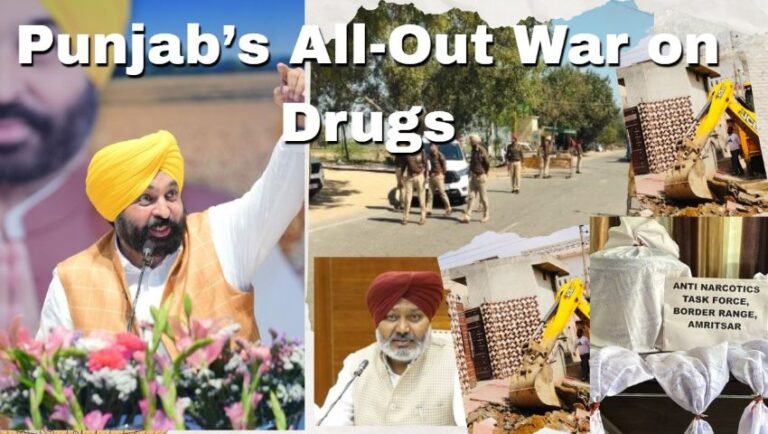
Punjab’s All-Out War on Drugs Promises a New Dawn for Its Youth

Saptrishi Soni: In what could emerge as one of the most defining transformations in recent memory, the Punjab government has embarked on a mission that seeks to heal generations and rewrite the destiny of its youth. Under the leadership of Chief Minister Bhagwant Singh Mann and steered by Finance Minister Harpal Singh Cheema, Punjab’s ongoing war against drugs is not just a campaign—it is a statewide movement that aims to restore the vibrancy, dignity, and future of an entire region that has for years suffered under the burden of narcotics.

The State Government’s campaign, aptly titled ‘Yudh Nashean Virudh’ or ‘War Against Drugs’, is gathering formidable momentum across Punjab. The determination is visible not just in government corridors but in village streets, among civil society groups, and within the very homes that once bore silent witness to the devastation of drug abuse. Cheema, while addressing media following a high-level review meeting, made it clear that Punjab is resolute in its mission to become drug-free and is now seeing real progress on the ground.

This campaign marks a stark departure from the state’s past. Cheema candidly acknowledged that drugs flooded Punjab during the previous Akali-BJP regime, and no resolute steps were taken during Captain Amarinder Singh’s tenure. In contrast, the present government, now three years into its tenure, is delivering tangible results that are forcing drug peddlers to either abandon their trade or flee the state. This shift is not coincidental but the result of rigorous enforcement and deep-rooted community participation.

One of the key achievements highlighted by the Finance Minister is the remarkable conviction rate in drug-related cases. In a district widely considered the front line in this battle, the conviction rate has soared to 91 percent, with 179 FIRs leading to 271 arrests. This sends a powerful message to those involved in the drug trade—impunity no longer exists.

More significantly, the campaign is not just about arrests; it’s about building resilience within communities. Public participation has been instrumental, with citizens actively sharing information under the ‘Safe Punjab Campaign,’ resulting in FIRs against offenders and swift action by enforcement agencies. Nearly 17 cases have been registered solely based on citizen inputs, proving that when people believe in the system, change is inevitable.

Further grassroots efforts include over 500 community outreach meetings and the formation of nearly a thousand local defense committees. These groups are playing a critical role in transforming public attitudes, generating awareness, and creating a safety net for vulnerable youth. Nearly 450 village panchayats have passed resolutions supporting the anti-drug campaign, reinforcing the idea that this is no longer just a government initiative—it’s a collective moral and civic uprising.

Strategically, the government has also expanded its surveillance and enforcement across state borders, particularly with neighboring Himachal Pradesh, a known route in the interstate drug pipeline. Joint operations with Himachal Police mark a significant leap in intelligence-sharing and operational coordination, enhancing the crackdown on organized drug networks that have for long operated in shadows.

At the administrative level, both civil and police officials have embraced the campaign with renewed vigor. Regular monitoring, rehabilitation support, and sensitization drives are creating a layered approach that addresses not just the supply chain but also the demand side of drug abuse. There is a growing emphasis on de-addiction and psychological healing, acknowledging that recovery is as much about empathy and community care as it is about law enforcement.

The Finance Minister’s remarks come at a time when the need for hope in Punjab has never been greater. For decades, the narrative around the state’s youth was clouded with despair and addiction. Today, that narrative is being rewritten with words like “recovery,” “resilience,” and “revival.” The campaign is not merely eradicating drugs; it’s giving back to Punjab what it was known for—its strength, spirit, and soaring potential.

As elected officials, civic leaders, enforcement agencies, and citizens come together in what is arguably Punjab’s most united front in recent history, there is a growing sense that the state is on the cusp of a new era. A drug-free Punjab is no longer a distant dream but a tangible goal within reach—one that promises a healthier, safer, and more hopeful future for its youth.

#PunjabAgainstDrugs #YouthEmpowerment #YudhNasheanVirudh #DrugFreePunjab #HarpalCheema #PunjabGovernment

This is an auto web generated news web story.
हिमाचल के ज्वालाजी में बेची गई नवजात बच्ची, करनाल पुलिस ने बचाया, बाल तस्करी के नेटवर्क का पर्दाफाश

करनाल में एक बार फिर एक दिल दहला देने वाली घटना ने मानवता को झकझोर कर रख दिया है। जहां एक मां-बाप ने अपनी मात्र डेढ़ माह की नवजात बच्ची को महज पैसों के लिए बेच डाला। यह मामला तब उजागर हुआ जब पीड़िता मां ने खुद रामनगर थाना में इसकी शिकायत दी और बताया कि उसकी मासूम बच्ची को जबरन या छलपूर्वक लगभग दो लाख रुपये में बेच दिया गया है। इस शिकायत के आधार पर पुलिस और बाल संरक्षण इकाइयों ने तत्परता से कार्रवाई की और बच्ची को हिमाचल प्रदेश के ज्वालाजी क्षेत्र से सकुशल बरामद किया।

जांच के दौरान यह खुलासा हुआ कि मासूम बच्ची को 1.70 लाख रुपये में एक व्यक्ति को बेचा गया था, जो खरीद-फरोख्त के अंतर्गत मानव तस्करी का स्पष्ट मामला बनता है। इस पूरे घटनाक्रम में हिमाचल प्रदेश का नाम सामने आना राज्य की कानून व्यवस्था और बाल सुरक्षा व्यवस्था के लिए एक गंभीर चेतावनी के रूप में देखा जा रहा है।

बचाव अभियान में जिला बाल कल्याण समिति के अध्यक्ष उमेश के नेतृत्व में करनाल पुलिस और बाल संरक्षण अधिकारी सक्रिय रहे। उन्होंने बच्ची को ज्वालाजी से रेस्क्यू किया और उसे बाल संरक्षण के तहत एमडीडी बल भवन में सुरक्षित रखा गया है, ताकि उसकी देखभाल सुनिश्चित की जा सके। मामले की गंभीरता को देखते हुए रामनगर थाना पुलिस ने मामला दर्ज कर लिया है और कुछ संदिग्ध व्यक्तियों के खिलाफ एफआईआर भी की गई है। पुलिस अब इस नेटवर्क से जुड़े अन्य लोगों की तलाश कर रही है और जल्द ही गिरफ्तारियां होने की संभावना जताई जा रही है।

हिमाचल प्रदेश में इस प्रकार का मामला सामने आना एक बड़ी चिंता का विषय है क्योंकि यह न केवल एक राज्य से दूसरे राज्य तक फैले बाल तस्करी के नेटवर्क की ओर इशारा करता है, बल्कि यह भी दर्शाता है कि समाज में कहीं न कहीं मानवीय संवेदनाएं और नैतिकता कमजोर पड़ रही हैं। एक नवजात बच्ची, जिसे जीवन के सबसे कोमल चरण में माता-पिता का प्यार और सुरक्षा मिलनी चाहिए थी, उसे बाजार में बेच दिया गया। यह घटना न केवल सामाजिक चेतना के लिए एक चुनौती है, बल्कि कानून व्यवस्था और बाल संरक्षण तंत्र के लिए भी एक गंभीर प्रश्नचिन्ह खड़ा करती है।

इस पूरे प्रकरण ने बाल सुरक्षा कानूनों की प्रभावशीलता और उनके अमल की हकीकत को सामने लाकर रख दिया है। ऐसे मामलों में केवल कानूनी कार्रवाई ही नहीं, बल्कि समाज में जागरूकता और पारिवारिक मूल्यों की पुनर्स्थापना भी उतनी ही आवश्यक है।

यह घटना न सिर्फ हिमाचल प्रदेश बल्कि पूरे देश के लिए एक चेतावनी है कि बाल तस्करी जैसे घिनौने अपराध आज भी जीवित हैं और ऐसे नेटवर्क समाज के अंदर ही सक्रिय हैं जिन्हें खत्म करने के लिए पुलिस, सरकार और समाज को मिलकर काम करना होगा।

#ChildTrafficking #HimachalJwalaJi #KarnalCrime #SaveTheChildren #HumanRights #PoliceAction

यह एक ऑटो वेब जेनरेटेड न्यूज़ वेब स्टोरी है।

हरियाणा में गेहूं की बंपर फसल बनी संकट, भंडारण व्यवस्था चरमराई

हरियाणा में इस बार गेहूं की बंपर पैदावार ने किसानों के चेहरों पर मुस्कान तो बिखेरी है, लेकिन साथ ही सरकारी व्यवस्थाओं की पोल भी खोल दी है। विभिन्न जिलों में भारी मात्रा में गेहूं मंडियों में पहुंच रहा है, लेकिन भंडारण की पर्याप्त व्यवस्था न होने के चलते यह अनमोल अन्न सड़कों और खुले मैदानों में पड़ा सड़ रहा है। ट्रैफिक प्रभावित हो रहा है, ग्रामीण स्कूल परिसरों तक में अस्थायी भंडारण की नौबत आ गई है, और हर ओर अव्यवस्था का आलम है।

हर साल फसल कटाई के समय ऐसी स्थिति उत्पन्न होती है, लेकिन इस बार समस्या का दायरा कहीं अधिक बड़ा है। आधुनिक कंबाइन हार्वेस्टिंग मशीनों के चलते उत्पादन की गति तेज हुई है, पर राज्य की अनाज मंडियां और खरीद केंद्र इस तेज रफ्तार के अनुकूल खुद को ढालने में विफल साबित हो रहे हैं। इससे किसानों को मजबूरी में सड़कों पर अपनी फसल बिखेरनी पड़ रही है, जहां मौसम की मार, गंदगी और ट्रैफिक का जोखिम हमेशा बना रहता है।

राज्य सरकार ने भले ही अस्थायी प्रबंधन की बात कही हो, लेकिन दीर्घकालिक समाधान अब जरूरी होता जा रहा है। बड़े स्तर पर खरीद केंद्रों के पुनर्गठन और नए वेयरहाउस की स्थापना की बात कही जा रही है। प्रशासनिक स्तर पर योजनाएं बन रही हैं, लेकिन ज़मीनी हकीकत यह है कि फसल का उठाव यानी ‘लिफ्टिंग’ अत्यंत धीमी गति से हो रहा है। आधिकारिक आंकड़े बताते हैं कि राज्य स्तर पर अब तक केवल 45 प्रतिशत के आसपास गेहूं की लिफ्टिंग हो सकी है, जिससे आने वाली नई फसल के लिए जगह बनाना एक बड़ी चुनौती बन गई है।

कुछ जिलों में प्रदर्शन औसत से नीचे है, जिससे समग्र स्थिति और जटिल हो रही है। वहीं कुछ जिलों ने सराहनीय कार्य करते हुए अपेक्षाकृत तेज़ी से भंडारण और उठाव की प्रक्रिया पूरी की है। यह इस ओर इशारा करता है कि यदि प्रशासन इच्छाशक्ति दिखाए और संसाधनों का सही उपयोग करे, तो इस संकट का समाधान संभव है। लेकिन फिलहाल, किसानों को अपनी मेहनत की फसल खुले आसमान के नीचे रखने की पीड़ा झेलनी पड़ रही है, और सरकार को इस चुनौती का स्थायी समाधान जल्द से जल्द निकालना होगा।

हरियाणा जैसे कृषि प्रधान राज्य में, जहां गेहूं उत्पादन देश में अग्रणी है, वहां ऐसी स्थिति चिंताजनक है। अगर गेहूं की बर्बादी नहीं रोकी गई, तो इसका असर ना सिर्फ किसान की आमदनी पर पड़ेगा, बल्कि खाद्य सुरक्षा पर भी सवाल खड़े हो सकते हैं। सरकार को चाहिए कि वह मौजूदा संकट से सबक लेकर, भविष्य के लिए ऐसी रणनीति बनाए, जिससे हर बंपर फसल पर गर्व किया जा सके, न कि संकट में तब्दील होती सफलता का मातम मनाना पड़े।

Bumper Wheat Harvest Triggers Storage Crisis, Tests State Machinery in Haryana
#WheatGlut #HarvestSeason #HaryanaMandis #AgricultureCrisis #GrainOverflow #FarmersVoice

This is an auto web generated news web story.