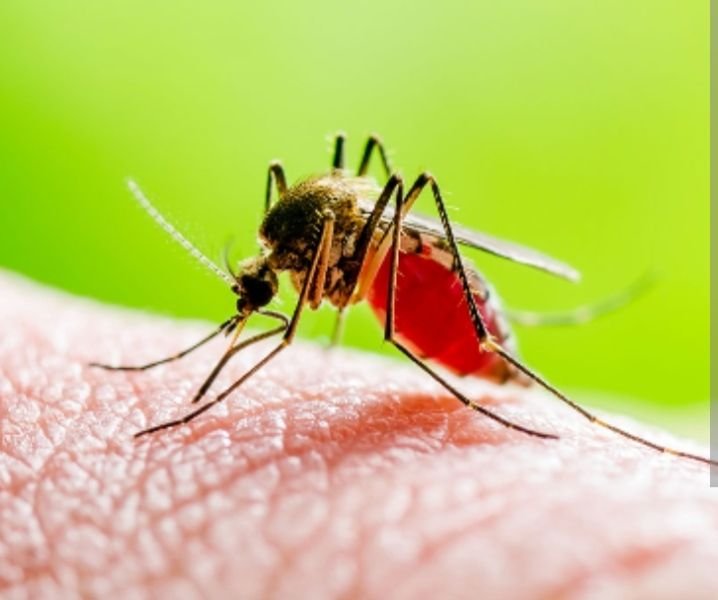
Haryana has announced the introduction of single-donor platelet facilities for dengue patients in government hospitals, a move the state government says will strengthen emergency treatment capacity during the mosquito-borne disease season.
Chief Minister Nayab Singh Saini announced the initiative while participating in healthcare and blood-donation activities in Kurukshetra under the Seva Sankalp Abhiyan.
Single-donor platelets, also known as apheresis platelets, are collected from one donor using specialised equipment. Unlike conventional pooled platelet preparations, which can involve platelets from multiple donors, the single-donor process allows a larger therapeutic dose to be collected from one person.
The availability of such platelets can become particularly important for patients with severe dengue who develop dangerously low platelet counts or bleeding complications. However, doctors generally assess patients based on their clinical condition rather than platelet count alone when deciding whether platelet transfusion is required.
The Haryana government has described the initiative as the first such government-hospital facility of its kind in north India.
The announcement comes as Haryana enters a period when hospitals typically monitor dengue and other seasonal infections more closely.
The state is also reporting a rise in H1N1 cases. According to state health surveillance data reported this week, Haryana’s cumulative H1N1 count increased from 163 cases on August 26 to 378 by September 16. Gurugram’s reported count rose from 12 to 46 during the same period.
The simultaneous monitoring of dengue and influenza highlights the pressure on the public health system during the changing season.
Blood-bank capacity is particularly important during outbreaks because severe cases can require blood components rather than whole blood. The availability of trained personnel, testing facilities, a reliable donor network and adequate storage capacity can influence how quickly hospitals respond to emergencies.
The state’s blood-donation activities are being promoted alongside the new platelet initiative. In Kurukshetra, the chief minister participated in a blood donation camp and flagged off two medical mobile units.
The government has also said that efforts are being made to improve blood-bank services and healthcare delivery.
The success of the single-donor platelet programme will ultimately depend on how many government hospitals can provide the facility, whether trained technical staff and equipment are available, and how quickly compatible platelet components can reach patients.
For families dealing with dengue complications, timely access to appropriate blood components can be crucial. At the same time, public-health specialists generally emphasise that prevention remains important, particularly controlling mosquito breeding sites, avoiding stagnant water and seeking medical attention when warning signs develop.
The latest initiative therefore forms part of a wider healthcare response rather than being a standalone dengue measure.
Haryana’s public hospitals will now be expected to integrate the new facility into their blood-bank and emergency-care systems. The coming dengue season will provide a practical test of how widely the service is available and how effectively it can be used when patients require advanced platelet support.