Home Blog Page 215

After Pahalgam Terror Attack, India Launches Firm Diplomatic Countermeasures Against Pakistan

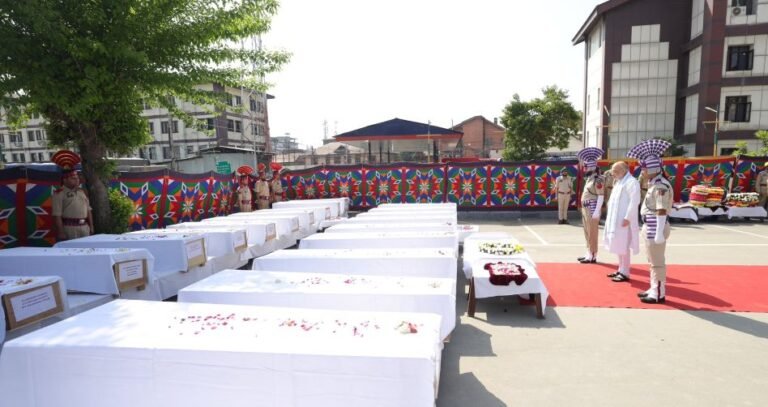
In the wake of the barbaric terror assault in Jammu & Kashmir’s Pahalgam region, where 26 innocent lives were lost in a targeted act of violence, the Indian government has launched a firm and calculated diplomatic retaliation. The incident, which took place at the picturesque Baisaran meadow — a place known for its tranquil beauty — has sent shockwaves across the country, uniting political voices in grief and anger. While mourning continues for those killed, New Delhi has responded not just with condemnation, but with a resolute strategy aimed at isolating Pakistan on multiple fronts.

Describing its response as “measured but firm,” India has unleashed a series of high-impact diplomatic and administrative steps, signaling zero tolerance for cross-border terrorism. These moves, while symbolic in their messaging, are also practically potent in undermining the avenues of engagement and privileges extended to Pakistan.

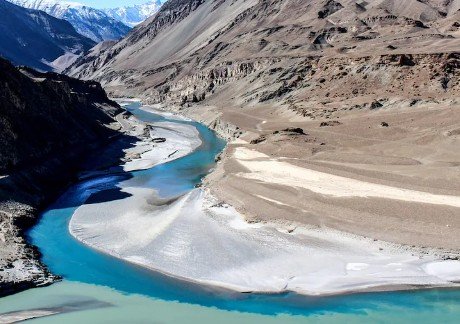
The first and perhaps the most geopolitically significant decision is the suspension of the 1960 Indus Waters Treaty, a water-sharing agreement brokered by the World Bank and long considered a rare instance of peaceful cooperation between the two neighbors. While this treaty has withstood wars and decades of tension, India’s decision to revisit its commitment underscores the severity with which the current administration views the recent attack. Though technically reversible, the move places a spotlight on the strategic leverage India holds through control over key rivers flowing into Pakistan.

Simultaneously, India has shut down the Integrated Check Post at Attari, the only land route facilitating cross-border trade and movement. This effectively suspends the formal trade channel between the two nations, a step that carries significant economic implications for both sides. It also halts people-to-people contact initiatives, which now stand frozen amid rising distrust and public outrage.

In another decisive step, New Delhi has withdrawn the travel privileges extended to Pakistani nationals under the SAARC Visa Exemption Scheme. This move will particularly impact government officials, journalists, and certain categories of professionals who earlier enjoyed visa-free travel under regional cooperation mechanisms. By severing this channel, India has further tightened the diplomatic noose, signaling that Pakistan’s non-cooperation in counterterror efforts comes at a cost.

Building on this hard stance, India has also revoked all valid visas previously granted to Pakistani citizens. This blanket cancellation halts all current and upcoming travel plans, including for medical tourism, academic engagements, and business visits — areas once seen as buffers amid strained ties. This decision underscores the government’s stand that in the face of terrorism, no soft channels will remain open unless accountability is ensured.

In a move that represents the rising role of digital diplomacy, India has also blocked the official account of the Pakistan government on the platform ‘X’ (formerly Twitter) within Indian digital territory. While symbolic, this action aligns with a growing global trend of controlling digital narratives and restricting access to platforms misused for propaganda or misinformation.

These measures reflect a shift in India’s foreign policy posture — one that prioritizes national security over conventional diplomatic norms. It is a firm message not only to Islamabad but also to the international community, indicating that India will respond with strength and strategy when its sovereignty and civilian lives are targeted.

At a time when global powers are already grappling with shifting geopolitical alliances, India’s counter-response could reignite discussions around cross-border terrorism, treaty obligations, and the role of diplomacy in dealing with rogue acts.

As New Delhi awaits concrete action from Pakistan on bringing the perpetrators to justice, these countermeasures may only be the first step in a broader re-evaluation of bilateral ties. For now, the message is loud and clear — peace cannot be built on the foundation of bloodshed.

#IndiaCounterstrike #PahalgamAttack #DiplomaticRetaliation #IndusTreatySuspension #IndiaPakistanTensions

This is an auto web generated news web story.
मातम में बदली खुशियां: लेफ्टिनेंट विनय नरवाल के घर पहुंचे केंद्रीय मंत्री मनोहर लाल, जताया शोक

मातम में बदली खुशियां: लेफ्टिनेंट विनय नरवाल के घर पहुंचे केंद्रीय मंत्री मनोहर लाल, जताया शोक

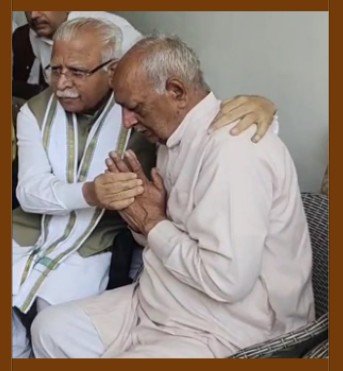
जम्मू-कश्मीर के पहलगाम में हुए आतंकी हमले में शहीद हुए भारतीय नौसेना के युवा अधिकारी लेफ्टिनेंट विनय नरवाल की शहादत ने पूरे देश को झकझोर कर रख दिया है। इसी कड़ी में रविवार को केंद्रीय मंत्री और पूर्व मुख्यमंत्री मनोहर लाल खट्टर करनाल के सेक्टर-7 स्थित शहीद लेफ्टिनेंट के घर पहुंचे और परिजनों से मिलकर गहरा शोक व्यक्त किया। परिवार के हालात देख भावुक हुए मनोहर लाल ने कहा, “बहुत ही दुखद घटना है। विनय जैसे होनहार और देशभक्त युवा का इस तरह आतंकी हमले में मारा जाना पूरी राष्ट्र के लिए एक अपूरणीय क्षति है। मैं इस कायरतापूर्ण हरकत की घोर निंदा करता हूं।”

28 वर्षीय लेफ्टिनेंट विनय नरवाल, भारतीय नौसेना में कोच्चि में तैनात थे और हाल ही में छुट्टी लेकर घर आए थे। उन्होंने 16 अप्रैल को हिमांशी के साथ विवाह किया था और दोनों अपने हनीमून पर जम्मू-कश्मीर के पहलगाम गए हुए थे। परिवार में खुशी का माहौल था, लेकिन यह खुशियां अचानक ही मातम में तब्दील हो गईं जब बैसारन घाटी में घूमते वक्त आतंकियों ने विनय पर फायरिंग कर दी। गोलियों की बौछार में विनय ने मौके पर ही दम तोड़ दिया, जिससे हिमांशी और पूरा परिवार गहरे सदमे में है।

इस हृदय विदारक घटना ने यह साबित कर दिया है कि आतंकवाद किस हद तक अमानवीय हो सकता है। एक नवविवाहित दंपति, जो अपने जीवन की नई शुरुआत के सपने संजोए हुए था, उसे एक पल में छीन लिया गया। विनय न केवल अपने परिवार के लिए बल्कि देश के लिए भी एक गर्व का प्रतीक थे। उनका बलिदान एक बार फिर यह याद दिलाता है कि हमारे सुरक्षा बल किस हिम्मत और समर्पण के साथ देश की रक्षा करते हैं।

केंद्रीय मंत्री मनोहर लाल ने इस दुखद क्षण में सरकार की ओर से परिजनों को हरसंभव सहायता का भरोसा दिलाया और कहा कि विनय की शहादत व्यर्थ नहीं जाएगी। उन्होंने यह भी दोहराया कि केंद्र सरकार आतंकवाद के खिलाफ अपनी ‘ज़ीरो टॉलरेंस’ नीति पर अडिग है और ऐसे हमलों का करारा जवाब दिया जाएगा।

लेफ्टिनेंट विनय नरवाल की यह शहादत देश की चेतना में एक और अमिट अध्याय जोड़ गई है। करनाल के जिस घर में कुछ दिन पहले वैवाहिक मंगल गीत गूंज रहे थे, अब वहां मातम की चुप्पी पसरी हुई है। लेकिन इस चुप्पी के बीच एक स्वर बार-बार गूंजता है—शहीदों की यह कुर्बानी बेकार नहीं जाएगी।

#LtVinayNarwal #MartyrTribute #KashmirTerrorAttack #IndianNavy #HoneymoonTragedy #ManoharLalKhattar #ZeroTolerancePolicy #IndiaAgainstTerrorism

यह एक ऑटो वेब जनरेटेड न्यूज़ वेब स्टोरी है।

Himachal Pradesh Tightens Environmental Norms: Ban on Small PET Bottles and Fines for Littering Take Effect

0

In a decisive step towards environmental preservation and sustainable living, the Himachal Pradesh government has announced sweeping restrictions on the use of polyethylene terephthalate (PET) bottles and non-biodegradable waste disposal practices. The ban, which comes into effect from June 1, 2025, targets PET water bottles of up to 500 ml capacity, prohibiting their use in all indoor government-organized events, meetings, and conferences. This directive will be enforced across departments, Boards, Corporations, and all affiliated state government bodies, including the Himachal Pradesh Tourism Development Corporation (HPTDC) and private hotels.

The move comes in light of rising environmental concerns over the indiscriminate use and disposal of small plastic bottles that significantly contribute to plastic pollution and pose a challenge for solid waste management. D.C. Rana, Director of Environment, Science and Technology, emphasized the urgency of shifting to sustainable alternatives like glass bottles and stainless steel water dispensers. He noted that these measures are not just regulatory but also educational, as state agencies will run dedicated information, education, and communication (IEC) campaigns to raise public awareness against the use of such disposable plastics.

The notification, issued under the Himachal Pradesh Non-Biodegradable Garbage (Control) Act, 1995, also extends to a broader crackdown on the littering of biodegradable and non-biodegradable waste. The government has now empowered various departmental officers to enforce penalties for violations. Individuals and institutions found discarding single-use plastics, including biodegradable and compostable carry bags, in public spaces such as streets, hillsides, drains, forests, parks, or religious complexes, will face a fine of ₹5,000. This stern penalty underscores the state’s zero-tolerance approach towards environmental degradation.

Taking its eco-conscious drive further, the state has mandated the installation of garbage bins—termed ‘Car Bins’—in all taxis, public buses including those operated by Himachal Road Transport Corporation (HRTC), and other transport vehicles. The rule, effective from April 29, 2025, makes it compulsory for vehicle owners and operators to ensure proper waste disposal facilities within their vehicles. Registration or fitness certification for such vehicles will only be granted post verification of these installations by Regional Transport Officers (RTOs) and Motor Vehicle Inspectors (MVIs). Non-compliance will attract a fine of ₹10,000, while the act of littering biodegradable waste alone will incur a penalty of ₹1,500.

This multi-pronged initiative signals a significant tightening of environmental laws in the state and demonstrates the government’s resolve to combat pollution at both institutional and individual levels. It also positions Himachal Pradesh as a model for other states aspiring to build eco-conscious frameworks. The state’s proactive environmental strategy is expected to drive not only administrative compliance but also public behavioral change in favor of a cleaner, greener future.

As the deadlines draw closer, stakeholders across sectors are urged to take swift action in phasing out banned items and adopting the new norms. The government’s vision is clear: a Himachal that remains pristine, sustainable, and a pioneer in ecological governance.

#HimachalPlasticBan #SustainableTourism #EcoFriendlyHimachal #GreenIndia #BanPlasticBottles #EnvironmentProtection #ZeroWastePolicy

This is an auto web generated news web story.

In Wake of Terror Threats, Punjab Tightens Security Under CM Mann’s Direct Command

0

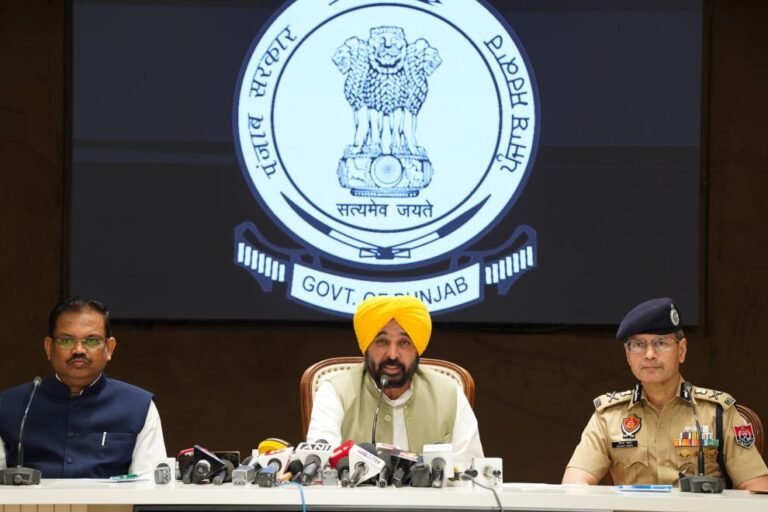
Amid rising national security concerns following the recent terror attack on tourists in Pahalgam, Jammu and Kashmir, Punjab has responded with immediate and decisive action. Chief Minister Bhagwant Singh Mann chaired a high-level security meeting in Chandigarh on Tuesday, reaffirming the state’s unwavering commitment to preserving law and order and shielding citizens from the ripple effects of such heinous acts. As the situation in Kashmir continues to unfold, Mann’s proactive measures have placed Punjab on high alert, reinforcing border security and enhancing internal vigilance.

Speaking to the media following the meeting, the Chief Minister unequivocally condemned the Pahalgam attack, calling it a barbaric act of terror that has once again underscored the ruthless intent of those who seek to disrupt peace. He stressed that terrorism knows no religion and that the perpetrators of such violence are enemies of humanity at large. With Punjab sharing sensitive borders with both Pakistan and Jammu & Kashmir, the state, according to Mann, has adopted a zero-tolerance policy toward threats emanating from cross-border smuggling, drone intrusions, and coordinated attacks involving narcotics and arms.

The Chief Minister noted that the state police, backed by an efficient coordination with the Army and Border Security Force (BSF), is fully equipped to thwart any disruptive attempts. He highlighted the government’s plan to introduce anti-drone technology to intercept the aerial smuggling of drugs and weapons, which he believes is being orchestrated by a growing nexus of smugglers, gangsters, and terror outfits. This integrated strategy forms part of what Mann referred to as Punjab’s “second line of defence”—a vigilant and empowered state police force working hand-in-hand with central agencies.

Punjab’s commitment to safeguarding peace is not merely strategic but deeply humanistic. Mann revealed that he has asked for immediate reports concerning any Punjabi tourists currently stranded in Jammu and Kashmir hotels, asserting that arrangements are underway to ensure their safe return. The state has also increased security across public gathering spots, especially tourist hubs, and extended the watch to over 160 educational institutions hosting Kashmiri students, reinforcing the administration’s stance against any communal backlash or hate-driven unrest.

Amid this heightened security atmosphere, Chief Minister Mann issued a red alert across all border points and reiterated that every possible step is being taken to keep Punjab immune from spillover effects of the terror crisis in Kashmir. Surveillance and patrolling have been intensified at inter-district and interstate checkpoints, especially in known sensitive zones. The state’s borders, particularly those adjoining Pakistan, have been sealed as a preventive measure.

In a firm and unyielding tone, Mann stated that the Punjab government is determined to defeat any attempt by Pakistan-backed proxy networks that seek to destabilize the state. Recalling the sacrifices and resilience that have earned Punjab its current peace, he emphasized that no compromise will be made in defending it. This includes dismantling networks that feed on communal tensions and criminal activities.

Calling upon citizens to stand united in these testing times, Mann urged the public to uphold the values of harmony and religious tolerance that have long defined the Punjabi spirit. Quoting teachings from the state’s spiritual heritage, he appealed for calm, mutual respect, and a shared resolve to protect the integrity of Punjab’s diverse society. The Chief Minister also assured that the state is fully capable of neutralizing any internal or external threat, thanks to its well-coordinated and resolute administrative machinery.

Attending the security review were Chief Secretary KAP Sinha, Director General of Police Gaurav Yadav, and other senior officials who joined the Chief Minister in reinforcing the state’s preparedness and its steadfast commitment to law, order, and the protection of every citizen.

#PunjabOnAlert #CMBhagwantMann #TerrorAttackResponse #PunjabSecurity #PahalgamAttack #PeaceAndVigilance #AntiDroneMeasures #PunjabPolice #UnitedForPeace

This is an auto web generated news web story.
Arun-3 Hydroelectric Project: A Milestone in India-Nepal Energy Cooperation

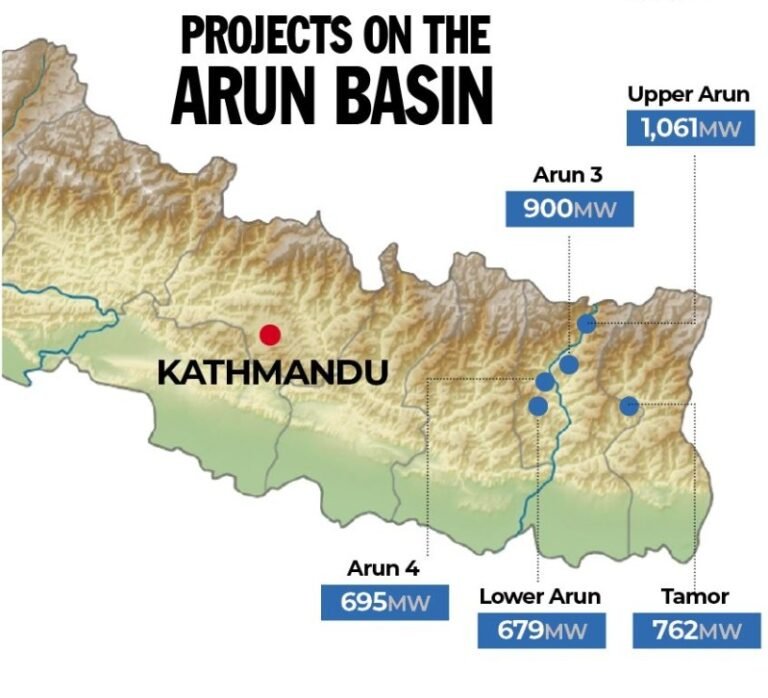
The Arun-3 Hydro Electric Project stands as a testament to the deepening energy cooperation between India and Nepal. Situated on the Arun River in Nepal’s Sankhuwasabha District, this 900 MW run-of-the-river project is being developed by SJVN Arun-3 Power Development Company (SAPDC), a wholly owned subsidiary of India’s Satluj Jal Vidyut Nigam (SJVN).

The journey of Arun-3 began with a Memorandum of Understanding signed between the Government of Nepal and SJVN on March 2, 2008. Following comprehensive surveys and environmental assessments, the Project Development Agreement was finalized on November 25, 2014. Construction commenced in May 2018, with the project expected to be operational by 2025. 

The project’s infrastructure includes a 70-meter-high concrete gravity dam and an 11.74 km headrace tunnel, channeling water to an underground powerhouse equipped with four 225 MW Francis turbines. The generated electricity will be transmitted via a 300 km, 400 kV transmission line from Diding in Nepal to Muzaffarpur in Bihar, India, facilitating cross-border energy exchange. 

Under the Build-Own-Operate-Transfer (BOOT) model, SJVN will operate the plant for 30 years, after which ownership will transfer to the Government of Nepal. During this period, Nepal will receive 21.9% of the generated power free of cost, bolstering its energy security. 

The Arun-3 project is poised to generate approximately 4,018.87 million units of electricity annually, significantly contributing to the region’s power supply. Beyond energy production, the project is expected to create around 3,000 jobs during its construction phase, fostering economic development in both nations. 

Financially, the project represents an investment exceeding $1.6 billion, including over $156 million allocated for transmission infrastructure. In February 2022, SJVN secured a loan of approximately INR 63.33 billion from a consortium of Indian and Nepali banks, underscoring the project’s significance and the collaborative financial commitment of both countries. 

Geographically, the Arun River originates in Tibet, flowing through Nepal before joining the Saptakoshi River. The project’s location in the Koshi Province leverages the river’s hydropower potential while aiming to minimize environmental impact through sustainable practices.

The Arun-3 Hydro Electric Project exemplifies the strategic partnership between India and Nepal, aiming to harness shared natural resources for mutual benefit. Its successful completion is anticipated to enhance regional energy cooperation, stimulate economic growth, and contribute to the sustainable development of the Himalayan region.

#Arun3HydroProject #IndiaNepalEnergyCooperation #RenewableEnergy #CrossBorderInfrastructure #SJVN #HydropowerDevelopment

This is an auto web generated news web story.
Indus Water Treaty Held in Abeyance: What This Means for Pakistan’s Water Security and Regional Stability

Saptrishi Soni: The Indus Water Treaty of 1960, a historic water-sharing agreement signed between India and Pakistan under the aegis of the World Bank, has long stood as a rare example of diplomatic stability amid an otherwise strained bilateral relationship. Signed by the then Prime Ministers of both countries, the treaty allocated the waters of the Indus river system—comprising the Indus, Jhelum, Chenab, Ravi, Beas, and Sutlej—between the two nations, ensuring that the three eastern rivers would be under India’s control while the western rivers would flow largely to Pakistan. Over the past six decades, this agreement has not only governed irrigation and power projects but also served as a stabilizing force in the region. However, India’s decision to place the treaty in abeyance has now altered the calculus of South Asian water politics in a decisive way.

The announcement came in the wake of a deadly terrorist attack in Jammu and Kashmir’s Pahalgam, which claimed the lives of over two dozen people, including tourists. In what is being seen as a strategic countermeasure, India has formally notified Pakistan that it will suspend the operation of the treaty until Islamabad takes verifiable and irreversible steps to end its support for cross-border terrorism. This signals a hardening of New Delhi’s position, linking water cooperation with regional security.

The implications for Pakistan are profound and far-reaching. Much of Pakistan’s agrarian economy is dependent on the water that flows from the western rivers—Chenab, Jhelum, and the main Indus—into its territory. The Punjab province, which is not only the country’s agricultural heartland but also home to a majority of its population, is irrigated almost entirely by waters from this river system. With the treaty in abeyance, India is no longer bound by the limitations on how it can construct, operate, or flush its reservoirs along these rivers. This includes projects like Kishanganga and Ratle, which Pakistan has previously contested at international forums.

One immediate concern is the issue of reservoir flushing—a practice critical to desilt Indian hydroelectric dams. Under the treaty, this process was restricted and regulated. With the agreement now suspended, India can undertake flushing operations at will, potentially during Pakistan’s critical sowing seasons. This could reduce water availability downstream during essential agricultural windows, severely impacting crop yields.

Equally pressing is the issue of drinking water. Major urban centers in Pakistan, including Lahore and Rawalpindi, rely heavily on river water not only for agriculture but also for daily consumption. Any significant alteration in the flow or volume of water due to upstream changes could escalate the water stress already being felt due to climate change, population growth, and over-extraction of groundwater.

The decision also halts several procedural obligations of the treaty, such as India’s sharing of flood-related hydrological data with Pakistan. This data, crucial during monsoon seasons when river levels rise dangerously, has helped Pakistan prepare for and mitigate flood disasters in the past. The absence of this data sharing mechanism could now leave Pakistan vulnerable to flash floods and natural calamities with little time for proactive management.

Legally, while the Indus Water Treaty does not contain explicit clauses for unilateral withdrawal, experts point out that Article 62 of the Vienna Convention on the Law of Treaties allows for suspension in the event of a fundamental change in circumstances. India has argued that sustained cross-border terrorism constitutes such a change, necessitating a revision or reevaluation of existing cooperative frameworks.

From the perspective of civil services aspirants preparing for examinations like UPSC, the current developments around the Indus Water Treaty underscore the interconnected nature of diplomacy, international law, environmental policy, and national security. Understanding the historical context of the treaty, its role in regional geopolitics, and the contemporary challenges posed by climate volatility and political tensions is crucial for crafting informed policy perspectives.

This move by India, while strategic in its intent, brings into sharp focus the delicate balance between upholding international agreements and safeguarding national interests. It also opens a new chapter in the South Asian water discourse—one where access to natural resources becomes increasingly entangled with questions of peace, sovereignty, and survival.

#IndusWaterTreaty #IndiaPakistanTensions #UPSC2025 #WaterDiplomacy #Geopolitics

This is an auto web generated news web story and PIc.

Centre Convenes All-Party Meeting Amid Rising National Outrage Over Pahalgam Terror Attack

0

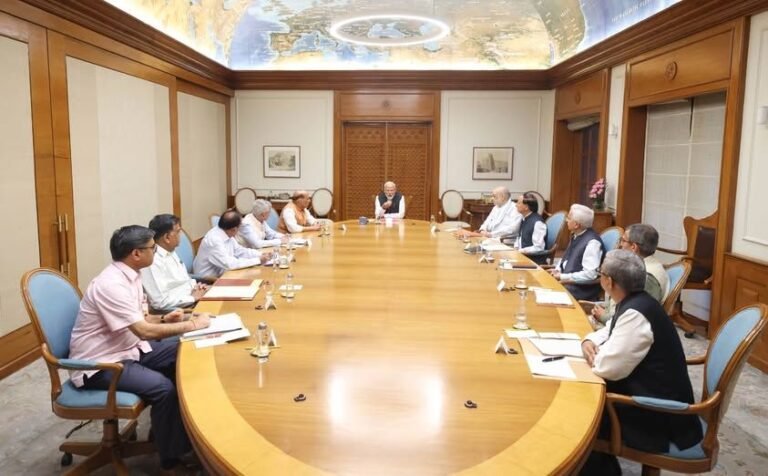
In a significant development reflecting the gravity of the Pahalgam terror attack, the Centre will convene an all-party meeting on Thursday evening to brief political leaders and seek collective views on the emerging security situation. With at least 26 lives—mostly those of innocent tourists—lost in the brazen strike carried out by heavily armed militants in Jammu and Kashmir’s scenic Baisaran Valley, the attack has deeply shaken the nation, prompting swift and high-level political engagement.

Defence Minister Rajnath Singh is slated to chair the meeting, while Union Home Minister Amit Shah is expected to present a detailed account of the internal security scenario and the immediate measures initiated in response. External Affairs Minister S Jaishankar is also likely to speak, offering an insight into the diplomatic fallout and the Centre’s evolving foreign policy stance, particularly with respect to Pakistan.

The decision to hold an all-party dialogue was taken following deliberations on Wednesday, with both Singh and Shah personally reaching out to opposition leaders, sources confirmed. The meeting comes against the backdrop of the Indian government’s resolute actions targeting Pakistan, which New Delhi has blamed for supporting the perpetrators of the attack. Among the measures announced are the expulsion of Pakistani military attaches, the suspension of the historic 1960 Indus Waters Treaty, and the immediate closure of the Attari land-transit route with Pakistan.

This political outreach harks back to similar all-party briefings conducted after the Pulwama terror attack in 2019 and during the tense India-China border standoff in 2020. Such meetings have historically served to forge a united front during times of national crisis, allowing for transparency between the government and opposition, and demonstrating India’s collective political will against terrorism and external aggression.

The brutal attack in Pahalgam, which targeted civilians in a peaceful tourist hotspot, has left the country in mourning and raised urgent questions about cross-border terrorism, infiltration routes, and evolving militant tactics. Survivors and witnesses have recalled the harrowing moments when gunmen disguised in camouflage stormed the verdant meadows and opened indiscriminate fire. As rescue helicopters airlifted the wounded and the dead, the nation’s conscience stirred.

By calling for this all-party session, the Centre aims not only to share the facts but also to reinforce the message that when it comes to the sovereignty and safety of the Indian people, political lines must dissolve into a single voice of resolve. It is also an attempt to ensure that counter-terrorism strategies are informed by diverse perspectives within India’s democratic framework.

This initiative further underscores that the government is determined to act on every front—security, diplomacy, and policy—to ensure justice for the victims and to dismantle the infrastructure of terror. While security forces continue their manhunt for the attackers in the dense forests of South Kashmir, the political class is expected to rally in unity at this critical juncture.

#PahalgamAttack #IndiaSecurity #NationalUnity #TerrorResponse #RajnathSingh #AmitShah #AllPartyMeeting #IndiaPakistanTensions

This is an auto web generated news web story.

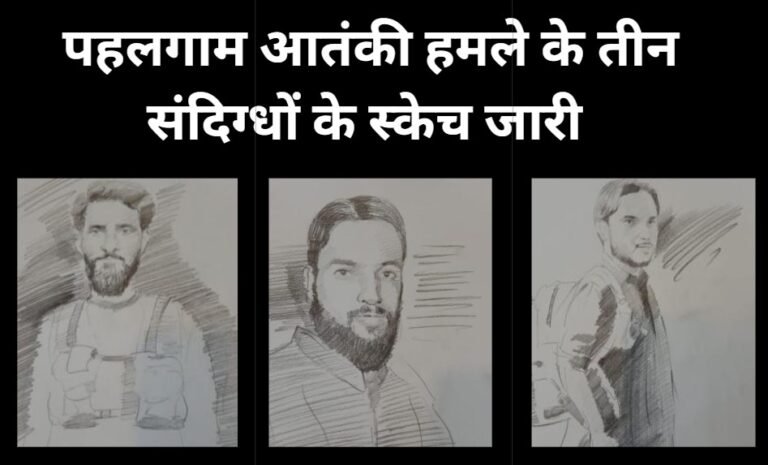
पहलगाम आतंकी हमले के तीन संदिग्धों के स्केच जारी, TRF ने ली जिम्मेदारी

जम्मू-कश्मीर के शांत और मनमोहक पहलगाम में हुए खूनी आतंकी हमले के बाद पूरे देश में आक्रोश की लहर है। हमले में कई निर्दोष पर्यटकों की जान जाने के बाद अब सुरक्षा एजेंसियों ने अपनी कार्रवाई को तेज करते हुए इस बर्बर वारदात में शामिल तीन संदिग्ध आतंकियों की पहचान कर ली है। इन तीनों के स्केच आज सार्वजनिक किए गए, जो हमले से बचे चश्मदीदों की मदद से तैयार किए गए हैं।

अधिकारियों के मुताबिक, जिन तीन आतंकियों की तलाश की जा रही है, उनके नाम आसिफ फौजी, सुलेमान शाह और अबू तल्हा हैं। इनके पास कोड नाम भी थे – मूसा, यूनुस और आसिफ – और ये पहले भी पूंछ जिले में आतंक से जुड़ी घटनाओं में सक्रिय रहे हैं। इनका आपराधिक और आतंकी रिकॉर्ड खुफिया एजेंसियों के रडार पर पहले से था, लेकिन इस बार इन्होंने जिस तरह से सैलानियों को निशाना बनाया, उसने उनकी क्रूरता की पराकाष्ठा दिखा दी।

इस जघन्य हमले की जिम्मेदारी ‘द रेसिस्टेंस फ्रंट’ (TRF) ने ली है, जो पाकिस्तान में प्रतिबंधित आतंकी संगठन लश्कर-ए-तैयबा का छद्म संगठन माना जाता है। TRF की यह स्वीकारोक्ति सुरक्षा तंत्र के उन संदेहों को पुख्ता करती है जो शुरू से ही इस हमले के पीछे सीमापार के आतंकी नेटवर्क की भूमिका को लेकर थे।

बायसरन घाटी में हुए इस हमले की बर्बरता और सुनियोजित योजना की पुष्टि चश्मदीदों ने की, जिन्होंने बताया कि आतंकी सैन्य वर्दी जैसी पोशाक में आए थे और हमला अचानक किया गया था। हमले के दौरान फैली चीख-पुकार और दहशत ने पूरा क्षेत्र स्तब्ध कर दिया।

गृह मंत्री अमित शाह पहले ही स्थिति की गंभीरता को देखते हुए दिल्ली में उच्चस्तरीय समीक्षा बैठक कर चुके हैं और अब खुद श्रीनगर में ग्राउंड रिपोर्ट ले रहे हैं। स्केच जारी होने के बाद सुरक्षाबलों ने पहलगाम और उसके आसपास के इलाकों में तलाशी अभियान और तेज कर दिया है। सूत्रों के अनुसार, इन आतंकियों को पकड़ने के लिए सेना, पुलिस और CRPF की संयुक्त टीमें तैनात कर दी गई हैं और इलाके में ड्रोन तथा अन्य तकनीकी संसाधनों की मदद से छानबीन जारी है।

यह हमला न केवल जम्मू-कश्मीर के पर्यटन उद्योग पर हमला है, बल्कि देश की अस्मिता पर भी सीधा प्रहार है। केंद्र सरकार की स्पष्ट मंशा है कि ऐसे कायराना हमलों में शामिल कोई भी आतंकी बख्शा नहीं जाएगा। जारी किए गए स्केच अब आम लोगों को भी दिखाए जा रहे हैं ताकि अगर कोई इन चेहरों को पहचान सके तो तुरंत पुलिस को सूचित कर सके।

इस पूरी घटनाक्रम से साफ है कि अब भारत आतंक के खिलाफ और अधिक कठोर रुख अपनाने को तैयार है। TRF जैसे संगठनों को पूरी तरह से कुचलने के लिए हरसंभव कदम उठाए जा रहे हैं, और इस हमले के दोषियों को न्याय के कठघरे तक पहुंचाना अब राष्ट्र का संकल्प बन गया है।

#PahalgamAttack #TerrorSuspects #AmitShah #TRF #JammuAndKashmir #AntiTerrorOperation #BreakingNews

यह एक ऑटो वेब जनित न्यूज़ वेब स्टोरी है।

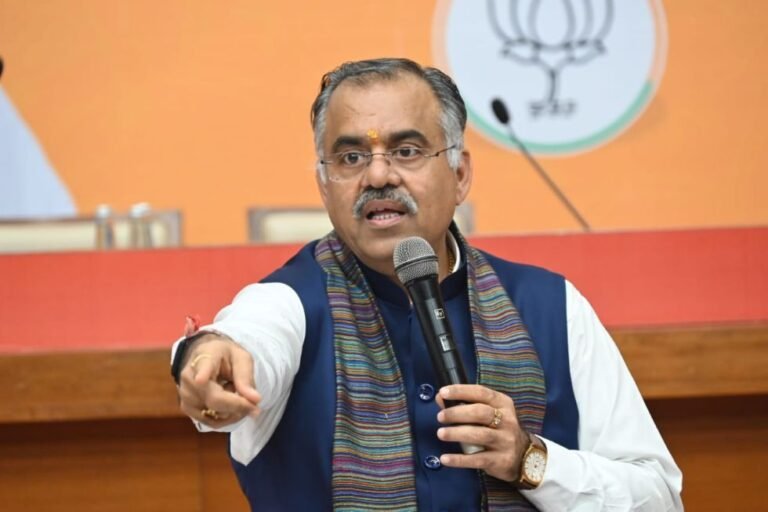
रॉबर्ट वाड्रा के बयान पर तरुण चुग का तीखा हमला, पूछा—क्या देशविरोधी ताकतों के इशारे पर बोल रहे हैं वाड्रा?

भारतीय राजनीति के गर्माते माहौल में एक बार फिर गांधी परिवार के दामाद रॉबर्ट वाड्रा का बयान भाजपा के निशाने पर आ गया है। भारतीय जनता पार्टी के राष्ट्रीय महामंत्री तरुण चुग ने वाड्रा के हालिया वक्तव्य को देशविरोधी ताकतों की भाषा करार देते हुए तीखा हमला बोला है। चुग ने सवाल उठाया है कि क्या वाड्रा ऐसी शक्तियों के इशारों पर बयान दे रहे हैं जो भारत की संप्रभुता को चुनौती देती रही हैं?

चंडीगढ़ से जारी अपने बयान में तरुण चुग ने कहा कि यह अत्यंत दुर्भाग्यपूर्ण है कि जिस समय कांग्रेस अध्यक्ष मल्लिकार्जुन खड़गे जम्मू-कश्मीर के पहलगाम में हुए भीषण आतंकी हमले को भारत की अखंडता पर सीधा हमला बता रहे हैं, उसी समय वाड्रा केंद्र सरकार को कटघरे में खड़ा करते हुए आरोपों की बौछार कर रहे हैं। यह विरोधाभास न केवल कांग्रेस पार्टी की विचारधारा में अंतर को दर्शाता है, बल्कि इस बात का भी संकेत है कि गांधी परिवार के भीतर राष्ट्रविरोधी मानसिकता पनप रही है।

तरुण चुग ने वाड्रा को याद दिलाया कि वह न तो किसी संवैधानिक पद पर हैं, न ही किसी निर्वाचित जनप्रतिनिधि की हैसियत रखते हैं, बल्कि वह केवल गांधी परिवार के ‘दामाद’ के रूप में पहचाने जाते हैं और प्रवर्तन निदेशालय की कई जांचों का सामना कर रहे हैं। बावजूद इसके, उनका बयान इस स्तर का है कि वह देश की सुरक्षा और सरकार की नीतियों पर सीधा हमला करता है। चुग के अनुसार, यह नासमझी नहीं, बल्कि एक सोची-समझी साजिश हो सकती है।

बीजेपी नेता ने यह भी कहा कि वाड्रा का बयान कांग्रेस के शीर्ष नेतृत्व की राय से मेल नहीं खाता, जिससे यह सिद्ध होता है कि गांधी परिवार के अंदरूनी स्वर भी अब राष्ट्रविरोधी ताकतों के प्रति सहानुभूति रखने लगे हैं। उन्होंने प्रियंका गांधी की चुप्पी पर भी निशाना साधा और सोनिया गांधी से सार्वजनिक रूप से यह स्पष्ट करने की मांग की कि वह वाड्रा के विचारों से सहमत हैं या नहीं।

इस विवाद के केंद्र में है जम्मू-कश्मीर के पहलगाम में हुआ वह आतंकी हमला जिसमें निर्दोष नागरिकों को केवल धर्म के आधार पर निशाना बनाया गया। तरुण चुग ने इसे एक सुनियोजित नरसंहार बताया और कहा कि यह हमला मानवता के मूल्यों पर सीधा प्रहार है। उन्होंने दोहराया कि प्रधानमंत्री नरेंद्र मोदी के नेतृत्व में केंद्र सरकार की ‘जीरो टॉलरेंस’ नीति आतंक के खिलाफ हर मोर्चे पर सख्ती से काम कर रही है और अब सिर्फ बयान नहीं, बल्कि निर्णायक कार्रवाई होगी।

देश की जनता से आतंकवाद के खिलाफ एकजुट होकर खड़े होने की अपील करते हुए चुग ने यह भी कहा कि यह समय राजनीतिक बयानबाजी का नहीं, बल्कि देश की एकता के लिए मिलकर खड़े होने का है। उनका यह आक्रामक बयान निश्चित ही आने वाले दिनों में राजनीतिक सरगर्मी को और तेज करेगा, खासकर उस समय जब देश में चुनावी माहौल पहले ही गरम है।

#RobertVadra #TarunChugh #BJPvsCongress #PahalgamAttack #ZeroTolerance #IndiaFirst #NationSecurity #PoliticalControversy

यह एक ऑटो वेब जनरेटेड न्यूज़ वेब स्टोरी है।

CM Nayab Singh Saini Unveils ₹3,034 Crore Development Push to Transform Gurugram’s Urban Future

0

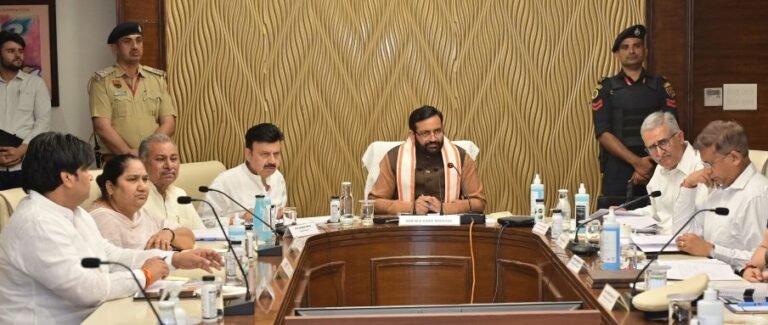
In a major stride toward redefining Gurugram’s infrastructure and public services, Haryana Chief Minister Nayab Singh Saini chaired the 14th meeting of the Gurugram Metropolitan Development Authority (GMDA), sanctioning an ambitious development budget of ₹3,034.82 crore. The initiatives outlined during the high-level meeting are poised to fast-track urban development, resolve long-standing civic issues, and elevate Gurugram’s status as a modern, sustainable city.

Highlighting the urgency of ensuring water security in the face of rising summer temperatures, CM Saini declared that by May 31, the city will receive an enhanced water supply of 670 million litres per day (MLD). This significant leap in capacity aims to address growing concerns around water scarcity and service reliability for residents. Alongside this, 400 new electric buses are slated to be rolled out across Gurugram, marking a major step toward clean and green urban mobility.

The meeting, attended by state ministers, senior MLAs, and key administrative figures, underscored the CM’s firm direction to all officials: expedite infrastructure work without compromise. He reviewed the decisions from previous GMDA meetings and called for accountability from private firms such as Ecogreen, which handles waste management. Instructing legal and financial action, including asset attachment against non-performing firms, he stressed that no lapse in basic services would be tolerated.

To combat recurring monsoon flooding, CM Saini demanded a comprehensive drainage action plan, particularly for villages adjoining the Najafgarh drain. In a broader review of key projects, updates were shared about the new stadium being developed in Wazirabad, which is targeted for completion by June 2026, and the proposed 700-bed hospital and modern bus terminal, both of which have moved closer to execution with tendering processes underway.

Flyovers in sectors 45, 46, 51, 52, 85, 86, 89, and 90 are also being planned to ease traffic congestion, with tenders expected by the end of May. The Tau Devi Lal Stadium is set for a major upgrade with a budget approval of ₹634 crore, reinforcing the city’s growing infrastructure for public wellness and sports.

In terms of water treatment and drainage, CM Saini was briefed on ongoing and upcoming projects including the construction of two 100 MLD water treatment plants in Chandu and Basai, and a master stormwater drainage system for sectors 76–80. Several sewage treatment plants (STPs) across sectors, including a 120 MLD plant at Behrampur and a 100 MLD plant at Dhanwapur, are being fast-tracked with tenders already floated.

Old pipelines, especially those that no longer meet future capacity demands, are also set to be replaced. A 1300 mm diameter MS pipeline spanning 11.5 kilometers will be upgraded at an estimated cost of ₹110 crore, while a ₹134 crore project will reinforce existing master sewer lines and eliminate silt blockages. Additionally, culverts will be constructed under the Delhi-Rewari railway line to support a new master water supply line, reinforcing the city’s foundational infrastructure.

Reiterating his government’s commitment, CM Saini directed officials to remove any roadblocks in project execution and initiate work without delay. These sweeping directives reflect the Chief Minister’s clear focus on sustainable growth, efficient service delivery, and infrastructural transformation.

The meeting was attended by Chief Secretary Anurag Rastogi, senior bureaucrats including Ashok Khemka, AK Singh, Anurag Aggarwal, and Sudhir Rajpal, GMDA’s top leadership, and municipal heads including the mayors of Gurugram and Manesar. Their collective participation underlines the coordinated effort underway to shape Gurugram’s future into one marked by resilience, accessibility, and high-quality urban living.

#GurugramDevelopment #NayabSinghSaini #UrbanTransformation #HaryanaInfrastructure #GreenMobility #GMDAProjects #SmartCityInitiatives #PublicServiceDelivery

This is an auto web generated news web story.