Home Blog Page 222

चॉक से चुभता शोषण: प्राइवेट स्कूल का मास्टर और उसकी गूंगी पीड़ा।

0


“प्राइवेट स्कूल का मास्टर: सम्मान से दूर, सिस्टम का मज़दूर”

प्राइवेट स्कूलों में शिक्षकों से उम्मीदें तो आसमान छूती हैं, लेकिन उन्हें न तो उचित वेतन मिलता है, न सम्मान, न छुट्टी और न ही सुरक्षा। महिला शिक्षक दोहरी ज़िम्मेदारियाँ उठाती हैं, वहीं शिक्षक दिवस के दिन सिर्फ प्रतीकात्मक सम्मान मिलता है जबकि सालभर उनका शोषण जारी रहता है।
अभिभावक, स्कूल प्रबंधन और सरकार तीनों ही इस शोषण को नजरअंदाज़ करते हैं। शिक्षक के अधिकारों की कोई बात नहीं करता, न ही कोई नियामक संस्था है जो उनके हितों की रक्षा करे। शिक्षकों को कानूनी संरक्षण, संगठित मंच और सामाजिक सम्मान मिलना चाहिए ताकि शिक्षा प्रणाली सच में समावेशी और न्यायपूर्ण बन सके। यदि राष्ट्र को शिक्षित और सशक्त बनाना है, तो सबसे पहले शिक्षक को शोषण से मुक्त करना होगा—क्योंकि चॉक से लिखा हर अक्षर, देश का भविष्य गढ़ता है।

-प्रियंका सौरभ

एक समय था जब “गुरु गोविंद दोऊ खड़े, काके लागूं पाय” जैसे दोहे बच्चों की जुबान पर होते थे। आज हाल ये है कि अगर मास्टर जी मोबाइल पकड़ लें तो कहा जाता है—”इतनी फुर्सत है तो बच्चों को क्यों नहीं संभालते?” ज़माना बदल गया है, अब ‘शिक्षक’ शब्द पवित्रता नहीं, सहनशीलता का प्रतीक बन गया है। और इस सहनशीलता का सबसे क्रूर रूप दिखता है—प्राइवेट स्कूल के शिक्षकों की दुनिया में।

दिखावे का महल, भीतर हताशा का दलदल

बाहर से देखिए तो प्राइवेट स्कूल किसी फाइव स्टार होटल से कम नहीं लगता—एसी क्लासरूम, हाईटेक बोर्ड, इंग्लिश बोलते बच्चे और व्हाइट-ग्लव्स पहने बस अटेंडेंट्स। लेकिन अंदर झाँकिए, वहाँ एक मास्टर साब बैठा है, जो न वक्त पर चाय पी सकता है, न लंच कर सकता है। जो बच्चा होमवर्क न करे, उसकी शिकायत आए तो मास्टर की क्लास लगती है। जो बच्चा एग्ज़ाम में फेल हो जाए, तो मैनेजमेंट पूछता है—”क्यों पढ़ाया नहीं ढंग से?”

तनख्वाह: जो कागज़ पर है, जेब में नहीं

प्राइवेट स्कूलों में सैलरी का सिस्टम इतना गोपनीय है कि सीक्रेट एजेंसियाँ भी शर्मा जाएं। अपॉइंटमेंट लेटर पर ₹25,000 लिखा होता है, लेकिन बैंक में ₹8,000 ट्रांसफर होते हैं। बाकी कैश में मिलते हैं या कभी नहीं मिलते। और मज़ा देखिए—टीचर से सैलरी का हिसाब माँगा जाए तो जवाब होता है: “बोलिए, नौकरी चाहिए या नहीं?”

महिला शिक्षकों का ‘दोहरा शोषण’

घर में बहू, माँ और पत्नी। स्कूल में मैडम, टीचर और दीदी। महिला शिक्षकों को दोहरी ज़िम्मेदारी के साथ जीना पड़ता है। सुबह 5 बजे से घर संभालो, फिर स्कूल जाओ और वहाँ 40 बच्चों की जिम्मेदारी उठाओ। ऊपर से अगर पति भी प्राइवेट सेक्टर में हो, तो महीने की सैलरी से पहले ही घर का बजट गिरवी रख देना पड़ता है।

छुट्टी? वो तो सपना है!

सरकारी कैलेंडर कहता है—15 अगस्त छुट्टी है, 26 जनवरी छुट्टी है, लेकिन प्राइवेट स्कूल कहता है—“आओ, झंडा फहराओ, भाषण दो, फिर हाजिरी लगाओ और जाओ।” छुट्टी के दिन भी हाज़िरी की मजबूरी। अगर बीमार पड़ गए, तो HR कहेगा—”छुट्टी नहीं है, डिडक्शन लगेगा।” शिक्षक का गला बैठ जाए, तब भी कहा जाता है—“क्लास तो लेनी होगी, और कोई नहीं है।”

काम का बोझ और भावनात्मक शोषण

आज शिक्षक सिर्फ पढ़ाता नहीं है, वो क्लास टीचर है, परीक्षा नियंत्रक है, अभिभावक संवाद अधिकारी है, व्हाट्सएप ग्रुप एडमिन है, स्पोर्ट्स डे का आयोजक है और हर हफ्ते सेल्फी वाले वीडियो का संपादक भी। लेकिन जब सैलरी की बात आए, तो कहा जाता है—“आप तो सिर्फ दो पीरियड पढ़ाते हैं।”

मास्टर के आंसू और प्रिंसिपल का प्रेस कॉन्फ्रेंस

बच्चा अगर टॉप करे तो प्रिंसिपल प्रेस कॉन्फ्रेंस करता है—“हमारे स्कूल का वातावरण ही ऐसा है।” और अगर बच्चा फेल हो जाए तो मास्टर की जवाबदेही तय होती है—“आपने ठीक से पढ़ाया नहीं।” जीत स्कूल की, हार शिक्षक की। फोटो बैनर पर प्रिंसिपल की, मेहनत मास्टर की।

पैरेंट्स की उम्मीदें: टीचर या जादूगर?

आजकल अभिभावक चाहते हैं कि शिक्षक 3 महीने में उनके बच्चे को आईएएस बना दे, और अगर ऐसा न हो पाए तो कहते हैं—“हम तो सरकारी स्कूल में डाल देते तो भी क्या फर्क पड़ता!” बच्चे की गलती भी अब मास्टर की जिम्मेदारी है। पैरेंट्स मीटिंग में सबसे ज़्यादा डांट मास्टर खाता है।

शिक्षक दिवस: एक दिन की इज़्ज़त, साल भर की जिल्लत

5 सितंबर को बच्चों से “हैप्पी टीचर्स डे” के फूल मिलते हैं। बच्चे गाना गाते हैं—”सर आप महान हैं” और अगले ही दिन वही बच्चा होमवर्क न करने पर कहता है—”टीचर का क्या है, कुछ भी बोल देते हैं।” साल भर की जिल्लत को एक दिन की इज़्ज़त से ढकना, अब आदत बन गई है।

कानून कहां है? शिक्षा नीति सिर्फ कागज़ पर

नई शिक्षा नीति 2020 कहती है कि शिक्षक की स्थिति मज़बूत होनी चाहिए। लेकिन ज़मीनी हकीकत ये है कि न कोई रेगुलेशन है, न कोई निगरानी। जिला शिक्षा अधिकारी सिर्फ सरकारी स्कूलों की जांच करता है, प्राइवेट स्कूलों को छूट मिली हुई है—”अपना नियम खुद बनाओ, खुद चलाओ।”

छात्र और शिक्षक: एकतरफा रिश्ता

आज छात्र अधिकारों की बात करता है—मार नहीं खाना, होमवर्क कम मिलना, रिजल्ट अच्छा आना। लेकिन शिक्षक के अधिकारों की बात कौन करे? क्या कोई RTI लगा सकता है कि मास्टर को कितनी सैलरी मिल रही है? नहीं। क्योंकि शिक्षक अधिकारों की बात करना आज भी “असहनीय” माना जाता है।

समाधान: मौन नहीं, आंदोलन चाहिए

अब वक़्त आ गया है कि शिक्षक चुप्पी तोड़े। सरकार को चाहिए कि एक रेगुलेटरी बॉडी बनाए जो प्राइवेट स्कूलों की सैलरी, काम के घंटे, छुट्टियाँ और काम का बोझ तय करे।
हर जिले में निजी शिक्षकों की यूनियन बने जो एक स्वर में बोले। अभिभावकों को भी समझना होगा कि शिक्षक सिर्फ एक वेतनभोगी कर्मचारी नहीं, बल्कि उनके बच्चे के भविष्य का निर्माता है।

थोड़ा सम्मान, थोड़ा अधिकार—इतनी सी बात

देश अगर आगे बढ़ना चाहता है तो सबसे पहले उस हाथ को संभालना होगा जो ब्लैकबोर्ड पर चॉक से भविष्य रचता है। उस आवाज़ को सुनना होगा जो हर दिन “गुड मॉर्निंग” कहकर बच्चे को दिन की शुरुआत सिखाता है। शिक्षक की मुस्कान में देश की मुस्कान छिपी है, लेकिन उस मुस्कान के पीछे कितना दर्द है, ये जानने वाला कोई नहीं।

अंत में बस इतना ही—

“बच्चा फेल हो जाए तो शिक्षक जिम्मेदार। बच्चा टॉप कर जाए तो स्कूल का नाम।” ये संतुलन तोड़ना होगा। अगर प्राइवेट स्कूलों को सचमुच शिक्षा का मंदिर बनाना है, तो पहले उसमें शिक्षक की पूजा होनी चाहिए—कम से कम उसका शोषण तो बंद हो।

High Court Restrains Arrest of Congress Leader Partap Bajwa Amid FIR Over Explosive Remarks

0

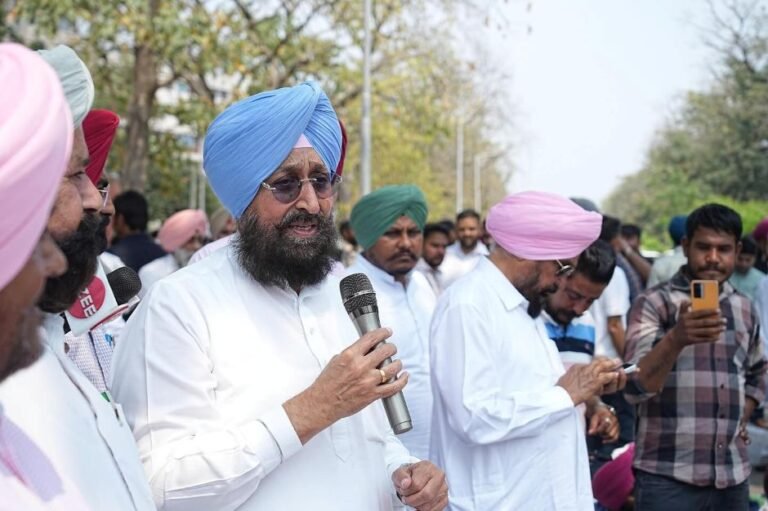
In a significant legal development, the Punjab and Haryana High Court has granted temporary relief to senior Congress leader and Leader of Opposition in Punjab Assembly, Partap Singh Bajwa, by directing the state government not to arrest him until the next hearing scheduled for April 22. The interim protection was issued on Wednesday after Bajwa moved the court seeking quashing of the First Information Report (FIR) filed against him over a controversial statement regarding alleged explosives in Punjab.

The legal action stems from Bajwa’s sensational claim during a televised interview where he stated that “50 bombs have reached Punjab,” further alleging that while 18 had already exploded, 32 were yet to go off. The statement sparked widespread concern and criticism, prompting the Punjab Police to book him under serious sections of the newly implemented Bharatiya Nyaya Sanhita. These include Section 197(1)(d) pertaining to false and misleading information that threatens the nation’s sovereignty and unity, and Section 353(2), which relates to statements intended to incite enmity and hatred.

Following the registration of the FIR at the Cyber Crime police station in Mohali, Bajwa was questioned by police officials earlier this week. According to his legal counsel APS Deol, the Congress veteran cooperated fully with the authorities during the session. Deol also confirmed that the High Court has not only granted relief from arrest but has also instructed Bajwa to refrain from making any public statements about the ongoing case while the matter is sub judice.

The petition filed by Bajwa contests the maintainability of the charges leveled against him, particularly the interpretation and application of the new criminal code sections. The High Court has now asked the Punjab government to submit its response to the plea before the next hearing, thereby temporarily diffusing the political and legal tension surrounding the issue.

This incident comes at a politically sensitive time in Punjab, where law and order, internal security, and political rhetoric have become central themes in the public discourse. Bajwa’s explosive claim not only stirred security concerns but also drew criticism from opponents who accused him of spreading panic and misinformation. The state government’s swift decision to file an FIR indicated its intent to clamp down on statements that could potentially incite fear or instability.

However, Bajwa and his supporters have maintained that his remarks were made in the interest of national and regional security, claiming that he was merely echoing ground-level intelligence received from local sources. They allege that the FIR is a politically motivated move to silence opposition voices. Legal experts watching the case suggest that it could become a landmark test of how the recently enacted Bharatiya Nyaya Sanhita will be interpreted in cases involving public speech by elected officials.

The High Court’s intervention has brought temporary relief for Bajwa, but it also underscores the growing friction between opposition leaders and ruling authorities in Punjab. As the April 22 hearing approaches, all eyes will be on the courtroom proceedings, which are expected to have implications not just for Bajwa personally, but also for the broader debate on political accountability, freedom of expression, and national security in India’s federal framework.

With the legal and political stakes high, the case has emerged as a flashpoint in Punjab’s contemporary political narrative, highlighting the thin line between whistleblowing and alarmism, especially in a state that has historically been sensitive to issues of internal peace and public order.

#PartapBajwa #PunjabPolitics #BombClaimRow #HighCourtRelief #CongressLeaderNews

Flash Flood Strands 66 Security Personnel in Lahaul-Spiti; Swift Action Ensures Safe Evacuation

0

A sudden flash flood near Jungle Camp, approximately eight kilometers from the Tindi police post in Himachal Pradesh’s Lahaul and Spiti district, triggered a major emergency late Monday night, leaving 66 security personnel stranded in a remote stretch of mountainous terrain. Among them were 29 women constables and 37 male constables, who were travelling in two Indian Reserve Battalion (IRBN) buses and three HRTC buses when the floodwaters surged.

The incident was first reported to the Superintendent of Police’s office by the Tindi police post incharge on Tuesday morning. According to Keylong DSP Raj Kumar, the situation escalated rapidly due to a sudden rise in water levels, which made the stretch of road near Jungle Camp completely impassable. Torrential flow from the flash flood had washed over the mountain route, trapping the buses mid-way and forcing a halt to all vehicular movement through the region.

With no time to lose, local police authorities and the Border Roads Organisation (BRO) sprang into action. A joint rescue team was immediately dispatched from the Tindi police post to reach the site. Facing difficult terrain and aggressive water currents, the teams had to navigate challenging conditions to reach the stranded buses. By the time they arrived, darkness had already set in, and the powerful flow of water made it impossible to begin road clearance or initiate a return journey using standard vehicles.

Given the precarious nature of the situation, the rescue strategy shifted from road clearance to direct evacuation. With commendable coordination, BRO vehicles—designed to handle extreme terrain—were deployed to safely transport all personnel to secure ground. Authorities confirmed that no injuries were reported during the incident and that all 66 individuals were accounted for and safely brought back.

The stranded personnel were part of an official deployment and were travelling through the tribal belt of Himachal Pradesh when they encountered the natural disaster. Local residents, familiar with the unpredictability of weather in the high-altitude region, pointed out that sudden flash floods are not uncommon during monsoon months, but such a large-scale entrapment of law enforcement personnel has rarely been reported in the recent past.

The swift and effective response by the rescue teams has drawn appreciation from across the district administration. Officials have acknowledged the critical role played by the BRO, known for its work in the most treacherous and inaccessible regions of India. Their quick deployment of specialized transport vehicles enabled the safe evacuation of the stranded security personnel despite the harsh night-time conditions and ongoing flood risk.

The incident has also sparked renewed concern about road safety and infrastructure preparedness in Himalayan regions that often bear the brunt of monsoon-induced calamities. Authorities have been urged to strengthen flood early warning systems and improve road resilience in vulnerable pockets like Jungle Camp. With Lahaul and Spiti being a vital zone for tourism, military movement, and border connectivity, building robust emergency protocols has become an urgent necessity.

Tuesday’s rescue operation stands as a testament to the importance of inter-agency coordination in times of crisis. It also reflects the dedication of the personnel who put themselves at risk to ensure the safety of their colleagues. While the situation is now under control, officials continue to monitor the area closely for any signs of further rainfall or landslide activity.

As Himachal Pradesh continues to experience erratic weather patterns due to climate change, the need for agile response systems and better road engineering in fragile ecological zones has never been more critical. The Jungle Camp flash flood is a stark reminder that nature’s fury, especially in the Himalayan region, can strike without warning—but with preparedness and courage, disasters can be averted.

#LahaulFlashFlood #SecurityPersonnelRescue #BRORescueOperation #IRBN #HimachalMonsoonAlert

Bomb Threat Triggers Panic in Mandi: Swift Response Averts Crisis at Deputy Commissioner’s Office

0

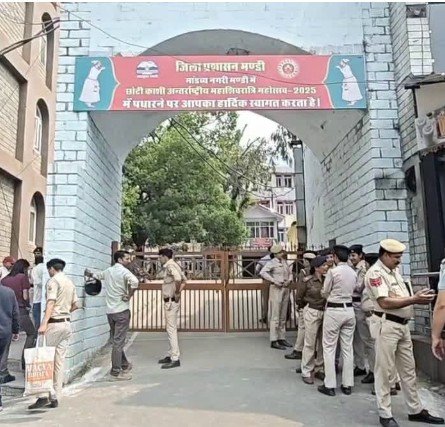
 Panic gripped Mandi district in Himachal Pradesh on Wednesday morning following a major security scare after the Deputy Commissioner’s office received a chilling bomb threat via email. The anonymous message warned of an impending explosion targeting the government building, setting off an urgent response from local authorities and emergency services.

As the threat was detected, authorities wasted no time in initiating safety protocols. The entire Deputy Commissioner’s office complex was evacuated without delay, with employees and visitors being escorted out to safe zones. The swift and coordinated evacuation reflected the seriousness with which the administration treated the threat, even as initial verification efforts were still underway.

Soon after the alarm was raised, bomb disposal experts were deployed to the site, meticulously combing through the premises for any suspicious objects or explosive devices. Security forces immediately sealed off the surrounding area, placing the entire zone under high alert. Checkpoints were erected and public access was temporarily restricted to ensure maximum control over the situation. Eyewitnesses reported a heavy security presence and a palpable tension as the search operation unfolded.

The timing of the threat—sent early in the morning—caused significant concern among both the government staff and local residents, many of whom had just begun their day. The email, now under investigation, has become the central focus of a multi-agency probe. Cybersecurity specialists have been brought in to trace the digital footprint of the sender. Investigators are analyzing email headers, server logs, and any identifying markers that might help unmask the perpetrator behind the threat.

Officials have confirmed that the message was not dismissed as a hoax but treated as a real and immediate danger. The Deputy Commissioner’s office issued a public statement, reassuring citizens that comprehensive steps were being taken to secure the area and protect government infrastructure. While no explosive material was found during the initial sweep, authorities maintained that they were leaving no stone unturned and were continuing to monitor developments closely.

The threat has also reignited discussions around the vulnerability of public institutions to cyber-based threats and the growing need for advanced surveillance and digital security frameworks. The DC office, a key administrative hub in the district, typically sees high footfall throughout the day. A successful attack in such a location would have had catastrophic implications, both in terms of loss and public confidence.

Law enforcement agencies are now working in tandem with cybercrime units to ascertain whether the threat was part of a larger plot or an isolated act of disruption. Intelligence units have also been tasked with assessing any potential links to groups or individuals with prior records of similar activity. Authorities are keenly aware of the possibility that such threats—though sometimes meant to instill fear rather than cause actual harm—must be handled with the highest degree of vigilance.

This incident has sparked fresh debates about emergency preparedness and the resilience of government systems to digital threats. It has also underscored the importance of public cooperation during such emergencies. In Mandi, the swift compliance of the evacuated staff and the professionalism of the security teams ensured that a potential crisis was managed effectively and without chaos.

As the investigation progresses, the hope remains that the source of the email will be identified swiftly, and necessary legal action taken to deter any such future attempts to disrupt public order. For now, Mandi stands relieved but watchful, reminded of how thin the line between routine and risk can be in today’s interconnected world.

#MandiBombThreat #HimachalSecurityAlert #DCOfficeEvacuation #CyberCrimeInvestigation #PublicSafetyFirst

मेडिकल कॉलेज, कोरियावास के नामकरण का विरोध अनुचित

0


निंदनीय है महर्षि च्यवन का अपमान : डॉ. ‘मानव’

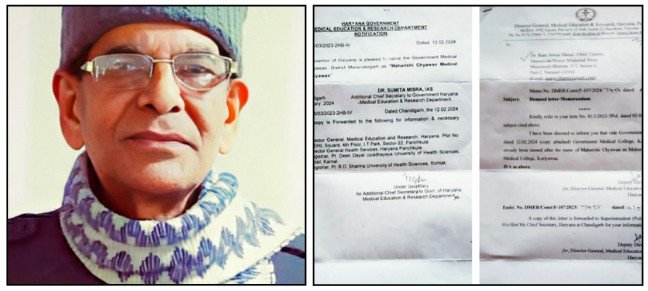
नारनौल। ग्राम पंचायत, कोरियावास ने मेडिकल कॉलेज के लिए बिना शर्त उनासी एकड़ जमीन देकर बहुत ही सराहनीय कार्य किया था, लेकिन अब पंचायत सदस्यों तथा ग्रामवासियों द्वारा महर्षि च्यवन के नाम पर मेडिकल कॉलेज के नामकरण का विरोध करना तथा उनके नाम का बोर्ड न लगने देना अनुचित ही नहीं, दुखद और दुर्भाग्यपूर्ण भी है। यह कहना है मनुमुक्त ‘मानव’ मेमोरियल ट्रस्ट, नारनौल के चीफ ट्रस्टी डॉ. रामनिवास ‘मानव’ का। डॉ. ‘मानव’ ने प्रश्न किया है कि जब जमीन बिना शर्त दी गई थी, तो अब काॅलेज का नामकरण ग्राम पंचायत की सलाह पर न करने की बात कहकर विरोध क्यों?
डॉ. ‘मानव’ ने बताया कि हरियाणा में कुल ग्यारह मेडिकल कॉलेज हैं, जिनमें से छह सरकारी और पांँच गैर-सरकारी हैं। इन सभी काॅलेजों का नामकरण जिन विभूतियों के नाम पर किया गया है, उनमें से किसी का भी चिकित्सा या चिकित्सा विज्ञान से कभी कोई संबंध नहीं रहा। मेडिकल कॉलेज, कोरियावास हरियाणा का बारहवांँ और सातवांँ सरकारी मेडिकल कॉलेज होने‌ के साथ प्रदेश का पहला ऐसा मेडिकल कॉलेज है, जिसका नामकरण एक महान चिकित्सक महर्षि च्यवन के नाम पर किया गया है। कोरियावास ग्राम-वासियों को इस बात पर गर्व होना चाहिए कि राज्य सरकार ने उनके गांँव की जमीन पर बनने वाले काॅलेज का नामकरण महर्षि च्यवन के नाम पर किया है, जिन्होंने च्यवनप्राश जैसे रसायन का आविष्कार कर, पूरी मानवता का कल्याण तो किया ही है, कोरियावास की निकटवर्ती पहाड़ी ढोसी को अपनी तपस्या-स्थली बनाकर, इस क्षेत्र के साथ देश-प्रदेश का नाम भी पूरे विश्व में रोशन किया है।
डॉ. ‘मानव’ ने स्पष्ट किया कि मनुमुक्त ‘मानव’ मेमोरियल ट्रस्ट के सुझाव पर मेडिकल कॉलेज, कोरियावास का नामकरण महर्षि च्यवन के नाम पर करने को तत्कालीन मुख्यमंत्री मनोहरलाल खट्टर की सरकार ने 16 मार्च, 2023 को स्वीकृति प्रदान कर दी थी तथा राज्यपाल से स्वीकृति मिलने के बाद 12 फरवरी, 2024 को गजट के माध्यम से इसे अधिसूचित भी कर दिया गया। अब इसे बदलना संभव नहीं है। अतः डॉ. ‘मानव’ ने ग्राम पंचायत, कोरियावास के सभी सदस्यों और ग्रामवासियों से अनुरोध किया है कि वे सरकार के इस सर्वथा उचित निर्णय को स्वीकार कर महर्षि च्यवन के प्रति अपनी श्रद्धा निवेदित करें। उन्होंने कहा कि अब मेडिकल कॉलेज के नामकरण का विरोध करना अनुचित और महर्षि च्यवन का अपमान है। उल्लेखनीय है कि इसके साथ डॉ. ‘मानव’ ने नाम के स्वीकृति-पत्र और गजट नोटिफिकेशन की प्रति भी जारी की है।

Haryana to Set Up ₹4,680 Crore Industrial Cluster Near Hisar Airport to Boost Manufacturing

0

In a major push towards accelerating industrial growth in Haryana, the state government is all set to develop an Integrated Manufacturing Cluster (IMC) near the Maharaja Agrasen Airport in Hisar. Spread over nearly 3,000 acres, this high-impact project is poised to become a transformative engine for the state’s economic landscape. With an estimated investment of ₹4,680 crore, the IMC initiative marks one of the most ambitious industrial infrastructure ventures currently underway in North India.

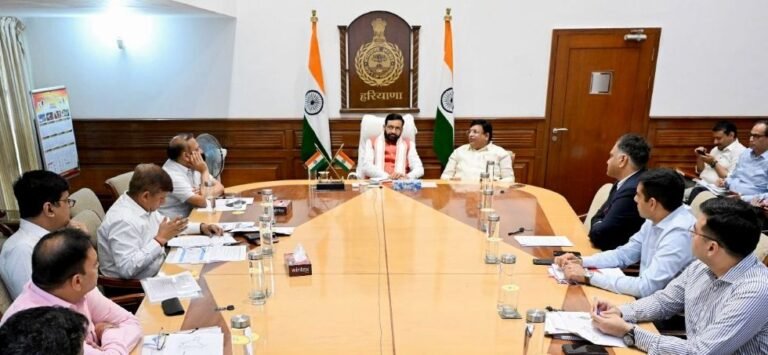
The plan was further consolidated during a high-level meeting chaired by senior government authorities to review the progress and administrative roadmap for the proposed cluster. The meeting, which also saw the active participation of Haryana’s Civil Aviation Minister Vipul Goel, focused on finalizing the procedural milestones and fast-tracking the necessary approvals. The officials were directed to complete all formalities without delay to ensure the timely commencement of the project.

Strategically located adjacent to the Maharaja Agrasen Hisar Airport, the industrial cluster is expected to serve as a magnet for national and international manufacturing companies looking for efficient connectivity and logistical advantages. Its proximity to an emerging aviation hub not only enhances its attractiveness for investors but also aligns it with the broader vision of turning Hisar into an economic and transport powerhouse.

The Integrated Manufacturing Cluster is expected to host a wide array of industries including textiles, engineering goods, electronics, and green technologies. By providing dedicated industrial zones, common facilities, logistics parks, and plug-and-play infrastructure, the IMC is being designed to meet the diverse and evolving needs of 21st-century manufacturing. The project is also expected to generate substantial employment opportunities and create a ripple effect for ancillary industries across the region.

As India continues to reposition itself as a global manufacturing destination under initiatives like ‘Make in India’ and ‘Atmanirbhar Bharat’, the Haryana government’s decision to set up this state-of-the-art cluster is both timely and strategic. It reflects the administration’s commitment to creating a future-ready industrial ecosystem with world-class infrastructure, sustainable development practices, and robust economic linkages.

The IMC near Hisar Airport is not just an industrial initiative; it is envisioned as a driver of regional development that will uplift surrounding areas, attract investments, and promote inclusive growth. With Hisar already gaining momentum as a key node on the Delhi-Mumbai Industrial Corridor (DMIC), this cluster could well be the catalyst that reshapes Haryana’s industrial future.

#HaryanaDevelopment #HisarAirport #IndustrialCluster #IMCIndia #MakeInIndia #VipulGoel #InfrastructureGrowth

This is a web-generated news web story.

ED Cracks Down in PACL Scam Probe, Raids AAP Leader Kulwant Singh’s Mohali Residence Among 15 Sites Across Four States

0

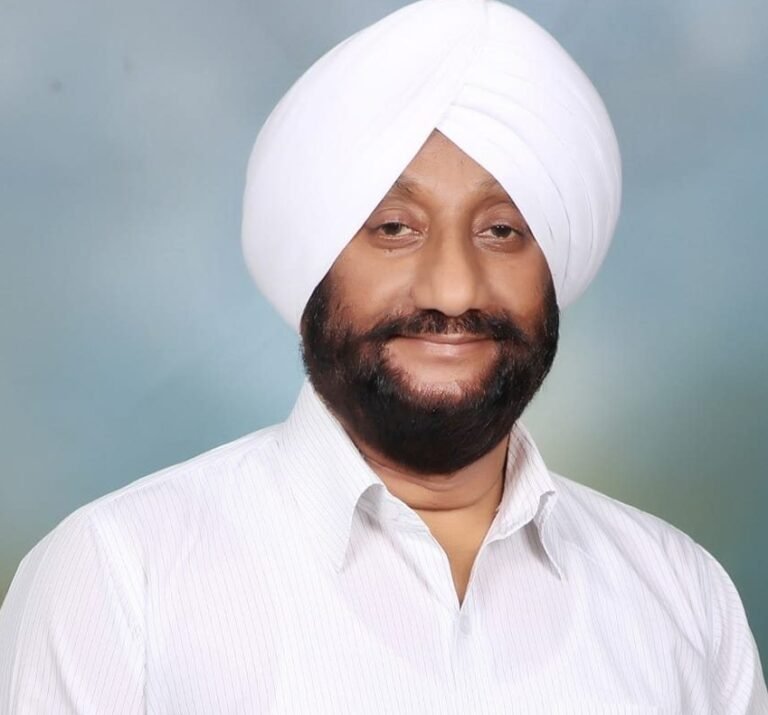
In a major development in the ongoing investigation into one of India’s largest financial fraud cases, the Enforcement Directorate (ED) on Thursday launched simultaneous raids at over 15 locations across Punjab, Haryana, Rajasthan, and Delhi. Among the high-profile targets of the operation is the Mohali residence of senior Aam Aadmi Party (AAP) leader and prominent businessman Kulwant Singh, adding a significant political dimension to the high-stakes probe.

The crackdown is part of the ED’s expanding investigation into the Pearl Agro Corporation Limited (PACL) case, a massive investor scam involving a staggering sum of ₹48,000 crore. The scandal, which has affected lakhs of small investors across India, is linked to fraudulent investment schemes and illegal disposal of assets owned by PACL and its associate companies. Central to the case are former associates of the late Nirmal Singh Bhangoo, the founder of PACL, against whom serious charges of financial misappropriation and asset siphoning have already been levelled.

According to sources close to the investigation, multiple teams from the ED simultaneously moved in on several properties and business premises associated with individuals suspected of involvement in the scam. These include locations in key urban centers such as Mohali, Jaipur, Gurugram, and parts of the national capital. The objective of the raids, officials said, is to collect evidence regarding the illegal transfer, sale, or concealment of PACL-linked assets, some of which were allegedly disposed of in violation of court orders and ongoing proceedings.

What makes Thursday’s raids particularly significant is the political spotlight it casts. Kulwant Singh, who has held prominent civic positions in Punjab and is known for his business ventures in the real estate sector, has now come under the ED’s radar. While there is no official word yet on the extent of his alleged involvement, the searches at his Mohali residence mark a serious escalation in the agency’s pursuit of those believed to have benefited from the proceeds of the PACL scam.

The PACL case has been one of the longest-running and most complex financial fraud investigations in India. It gained notoriety not just for the enormous scale of funds involved, but also for the deeply intertwined network of shell companies, real estate transactions, and political affiliations that emerged during the probe. The Securities and Exchange Board of India (SEBI) had earlier ordered the refund of funds to affected investors, and a special committee has been overseeing asset liquidation to compensate victims. However, enforcement agencies have long suspected that substantial parts of PACL’s real estate portfolio were illegally sold or hidden to obstruct the refund process.

With the ED now intensifying its operations across states and targeting politically connected individuals, the case is poised to make new headlines in the days to come. The involvement of a leader from the ruling AAP adds further political heat, especially in Punjab, where the party has been projecting a clean governance image.

Political analysts believe that the timing and scope of these raids could have ripple effects not only on Punjab’s local political dynamics but also on the broader narrative around financial transparency and accountability. While supporters of those being raided might term the action as politically motivated, enforcement authorities maintain that their actions are based purely on financial evidence and regulatory violations.

As the investigation deepens and more names come to light, the PACL saga continues to unravel, exposing the underbelly of one of India’s biggest investor scams. For the countless victims still awaiting justice, the ED’s renewed crackdown offers a glimmer of hope that accountability may finally catch up with those who once operated above the law.

#EDRaids #PACLScam #KulwantSingh #AAPNews #InvestorFraud #PunjabNews #MoneyLaundering

Himachal Writes History in Killar: CM Sukhu Brings State-Level Celebrations and Development to Remote Pangi Valley

0

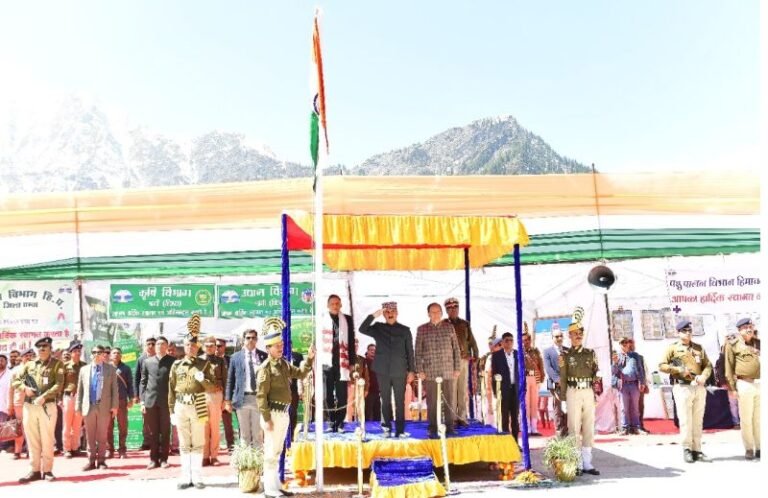
For the first time in its history, Himachal Pradesh marked its State-Level Himachal Day celebrations in the remote and rugged terrain of Killar in Pangi Valley, Chamba district—an event that not only symbolized the state’s deepening commitment to inclusive growth but also brought with it a string of transformational announcements. As the 78th Himachal Day unfolded against the stunning Himalayan backdrop, a large gathering of locals witnessed the occasion with pride, standing shoulder to shoulder in celebration of a moment that placed this secluded valley at the heart of the state’s development discourse.

Chief Minister Sukhvinder Singh Sukhu, who presided over the ceremony, paid tribute to the architects of Himachal Pradesh’s statehood—particularly the first Chief Minister, Dr. Y.S. Parmar, and former Prime Minister Indira Gandhi, whose visit to Pangi in 1984 had, as he noted, catalyzed development in this neglected part of the state. His arrival in Killar brought more than just ceremonial gestures; it brought vision and policy announcements aimed at integrating Pangi into the mainstream narrative of growth.

Unfurling the national flag and taking the ceremonial salute, the Chief Minister observed a vibrant parade led by contingents from the Indian Reserve Battalion, Home Guards, and NCC cadets, many of whom were local youth—a reflection of pride and participation. But it was in his address that the tone of transformation became clear.

Among the landmark declarations was the designation of Pangi as the first “Natural Farming Sub-Division” in Himachal Pradesh. To strengthen this eco-sustainable agricultural shift, he committed a revolving fund of ₹5 crore and introduced a minimum support price (MSP) of ₹60 per kg for naturally grown barley. In a valley where traditional farming is intrinsic to the way of life, this move not only acknowledges indigenous knowledge systems but also encourages organic production models that benefit both the land and the people.

Power infrastructure saw a significant push with the announcement of ₹45.50 crore for a 33 KV power line from Thirot to Killar and an additional ₹5 crore for an 11 KV line from Tindi to Shaur—projects that promise consistent electricity and stability in a region often challenged by weather and terrain. These are part of a broader ₹62 crore energy plan aimed at upgrading Pangi’s grid.

Equally promising was the boost to transportation. The CM announced 20 new bus permits specifically for the valley and a 40% subsidy on the purchase of new buses. For local entrepreneurs and self-help groups, this presents an opportunity to improve connectivity and livelihoods. Adding to this, homestays in the region will now benefit from a 50% waiver on registration fees, a step likely to encourage rural tourism in the remote but culturally rich valley.

The development vision also extends to health and education. The Civil Hospital in Killar will be developed into a model health institution, while a Rajiv Gandhi Day Boarding School will soon serve the region’s children. For better road access, the CM allocated ₹1.5 crore for link road improvements and reaffirmed that the long-pending Udaipur-Killar road project is a top priority, with tender processes already in motion.

What makes this celebration stand out is that it wasn’t merely a symbolic gesture but a platform for announcing structural and financial investments aimed at equity. Sukhu reiterated that Himachal’s tribal areas will be key stakeholders in the state’s green energy future. He invited residents to install solar energy plants, promising a 5% interest subsidy on solar setups from 250 KW to 1 MW capacity.

The CM also addressed wider governance reforms. Under the newly restructured education model, the Directorate of School Education will oversee schooling up to Class 12, while higher education will come under a separate directorate. In healthcare, Himachal will invest ₹1570 crore in state-of-the-art medical equipment, including PET scans and MRI machines for key hospitals in Shimla and Tanda.

He further announced a one-time loan settlement policy for farmers under the Agriculture Interest Subvention Scheme, whereby loans up to ₹3 lakh will receive a 50% interest subsidy from the state government. This policy could be a game-changer for small and marginal farmers on the brink of losing their land.

The anti-drug drive also found mention, with a commitment to strengthen the Anti-Narcotics Task Force and create a special unit to tackle the growing threat. The CM’s remarks on the Congress government’s accountability to tribal areas and focus on reviving the rural economy sent a clear message: development is not reserved for the accessible; it must reach the farthest corners.

Celebrating environmental conservation with economic empowerment, Sukhu highlighted the Rajiv Gandhi Van Samvardhan Yojana—₹100 crore earmarked to help women and youth earn livelihoods through forest protection. Groups formed under this scheme will receive ₹6.40 lakh over five years.

The pride in the achievements was palpable. Himachal Pradesh recently earned accolades from the India Today Group for its tourism sector: Bir Billing was awarded “Best Adventure Destination” and Dharamshala “Best Mountain Destination.” Additionally, Panchayat-level water sustainability initiatives in Hamirpur earned national recognition.

As State-Level Himachal Day wrapped up in Killar, what lingered was not just a sense of festivity, but a renewed trust that the government sees and hears its most remote citizens. For Pangi, this was more than a celebration—it was a new beginning.

#HimachalDay #KillarCelebration #CMAnnouncements #NaturalFarming #GreenEnergyState #TribalDevelopment

CM Bhagwant Mann Slams Opposition Over ‘Bomb Theory’, Accuses Bajwa of Spreading Fear for Political Gains

0

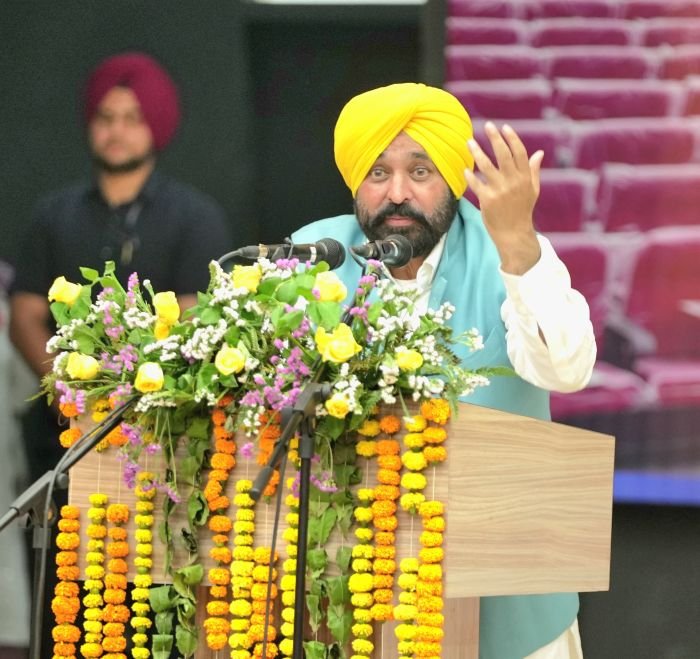
In a sharp and scathing political rebuttal, Punjab Chief Minister Bhagwant Singh Mann has accused Leader of Opposition Partap Singh Bajwa of irresponsibly stoking public fear by making unverified claims about the presence of bombs in the state, alleging that Bajwa is attempting to exploit public anxiety for political mileage. Speaking during a public address at Chaajli in Sangrur, the Chief Minister launched a full-frontal attack on the Congress leader, questioning his silence and reluctance to provide details on what he himself has described as a serious security threat.

Mann condemned Bajwa’s statements about 50 bombs being smuggled into Punjab, asserting that if he indeed possessed such critical intelligence, the ethical responsibility would be to inform the authorities immediately rather than sit on the information. The Chief Minister insinuated that Bajwa was waiting for an unfortunate incident to occur, solely to spin the tragedy into a political narrative. Calling the allegations baseless and manufactured, Mann said they are aimed at generating panic among peace-loving Punjabis.

The Chief Minister further remarked that now that legal proceedings have been initiated against Bajwa for allegedly misleading the public and disrupting peace, the Congress leader is desperately reaching out to legal professionals in a bid to shield himself. He called Bajwa’s approach a shameful display of political gimmickry, unworthy of a leader occupying such a prominent position in state politics. Mann reiterated that Punjab’s people expect responsibility, not theatrics, from those who claim to represent them.

Asserting his own political legitimacy, Mann said the frustration visible among opposition ranks stems from their inability to digest the fact that an ordinary citizen now leads Punjab’s government. In contrast to the dynastic politics and elitism of previous regimes, Mann described his leadership as grounded in transparency and accessibility, characteristics which he claimed have rattled traditional political players. The AAP leader said these old-guard parties had been soundly rejected by voters in 2022, and their leaders are now scrambling for relevance by joining forces in a last-ditch effort to mislead the public.

Reflecting on the legacy of his predecessors, Mann said former leaders had distanced themselves from the people by surrounding themselves with opulence and power, using politics as a means to accumulate wealth rather than serve. According to him, the political elite built towering mansions with gates shut to the common man, and it was this arrogance and corruption that led to their electoral downfall. He lamented that years of misrule had left the state struggling to keep pace with development, especially as these former rulers allegedly exploited their positions for personal gain.

Mann didn’t hold back in his criticism of SAD president Sukhbir Singh Badal, calling him a rejected leader now facing the consequences of his misdeeds during his time in power. He accused Badal of deceiving the public for years and said his political downfall was a direct result of the people’s awareness and awakening. On the Congress front, the Chief Minister painted the party as a fractured entity, suggesting that its leaders are embroiled in internal strife and more concerned with saving themselves than serving the people.

The escalating war of words comes at a crucial time as Punjab gears up for the upcoming elections. Mann’s aggressive stance signals AAP’s determination to retain its stronghold in the state by projecting opposition leaders as desperate and disconnected from grassroots realities. By contrasting his government’s people-first approach with what he described as the self-serving motives of previous administrations, Mann seeks to consolidate public trust and cast the opposition as obsolete relics of a corrupt political past.

#BhagwantMann #PunjabPolitics #PartapBajwa #FakeBombAlert #SukhbirBadal #CongressDivide

This is a web-generated news web story.

Pratap Singh Bajwa’s ’50 Bombs’ Remark Sparks Political Controversy in Punjab

0

In a recent development that has intensified political discourse in Punjab, Leader of Opposition and Congress MLA Pratap Singh Bajwa made a startling claim during a television interview, stating that “50 bombs had landed in Punjab.” This assertion prompted Chief Minister Bhagwant Mann to question the veracity and source of Bajwa’s information. Mann remarked, “What is the source of this information? If Bajwa had received this information, does he have any connection with Pakistan that the terrorists there are calling and telling him directly how many bombs they have sent?” 

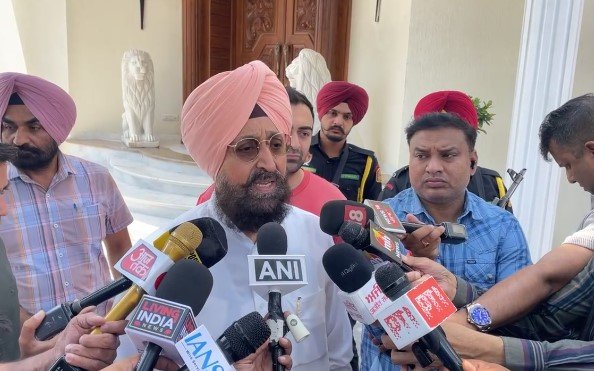
Following the Chief Minister’s directives, a team from the state Intelligence department visited Bajwa’s residence in Chandigarh to record his statement regarding the claim. Bajwa cooperated with the authorities but refrained from disclosing his sources, citing connections within both state and central agencies. He expressed regret over the timing of the interrogation, noting that it coincided with the Baisakhi festival, a significant occasion when people traditionally visit gurdwaras. Bajwa further accused the Chief Minister of misrepresenting his statements and challenged him to file a formal case if deemed necessary, suggesting that such actions would be indicative of political vendetta. 

The situation escalated when Aam Aadmi Party (AAP) officials condemned Bajwa’s remarks, labeling them as derogatory and irresponsible towards the Punjab Police. AAP’s chief spokesperson, Malvinder Singh Kang, emphasized that the current administration has ensured the independence and integrity of the police force, contrasting it with alleged political misuse in previous governments. Kang demanded a public apology from Bajwa to the dedicated officers of the Punjab Police. 

This incident adds to the ongoing tensions between Bajwa and the AAP-led Punjab government. Earlier, Bajwa had claimed that over 30 AAP MLAs were in contact with him, suggesting potential instability within the ruling party. However, AAP leaders dismissed these assertions, with Punjab Minister Kuldeep Singh Dhaliwal challenging Bajwa to substantiate his claims and referring to him as an “empty showpiece.” 

The unfolding events underscore the charged political atmosphere in Punjab, with leaders exchanging accusations and the administration striving to address security concerns while maintaining public trust.