Home Blog Page 223

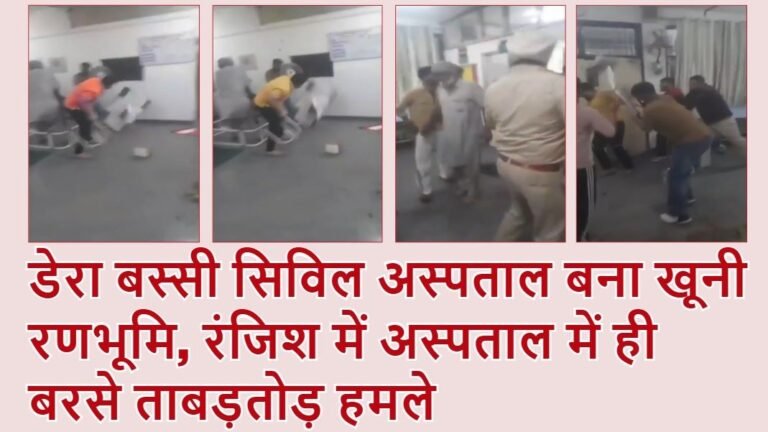
डेरा बस्सी सिविल अस्पताल बना खूनी रणभूमि, रंजिश में अस्पताल में ही बरसे ताबड़तोड़ हमले

डेरा बस्सी का सिविल अस्पताल शुक्रवार रात उस वक्त एक खौफनाक हिंसा का गवाह बना, जब मुकंदपुर गांव की दो प्रतिद्वंद्वी गुटों ने इलाज के दौरान ही एक-दूसरे पर हमला बोल दिया। यह घटना न सिर्फ चिकित्सा संस्थानों की सुरक्षा पर गंभीर सवाल खड़े करती है, बल्कि यह भी दर्शाती है कि किस तरह निजी रंजिशें सार्वजनिक स्वास्थ्य केंद्रों की पवित्रता को भी तार-तार कर रही हैं।

घटना की शुरुआत मुकंदपुर गांव में हुई, जहां पुरानी रंजिश को लेकर दो गुटों में झगड़ा हुआ। झगड़े के बाद घायल हुए दोनों पक्ष इलाज के लिए डेरा बस्सी सिविल अस्पताल पहुंचे। लेकिन वहां जो हुआ, उसने अस्पताल को एक खूनी अखाड़े में तब्दील कर दिया। प्रत्यक्षदर्शियों द्वारा बनाए गए वीडियो में साफ देखा जा सकता है कि कैसे अनिल कुमार उर्फ हनी पंडित, नरेश कुमार, नायब राम, अंग्रेज़ सिंह, गुरमीत सिंह, महिपाल और मनीष कुमार सहित अन्य आरोपी इलाज के दौरान एक-दूसरे को देख बेकाबू हो गए।

भीतर उमड़ते गुस्से ने अस्पताल के शांत परिसर को हिंसा के तूफान में बदल दिया। अस्पताल में रखे उपकरण, चेयर, क्यू मैनेजर, गमले और यहां तक कि सर्जिकल टूल्स तक को हथियार बना लिया गया। कैंची जैसी धारदार चीजों से कई लोगों को गंभीर रूप से घायल किया गया, वहीं कुछ को इतनी बेरहमी से पीटा गया कि वे अचेत हो गए। चारों तरफ खून के छींटे, टूटे उपकरण और घबराए मरीज—ये दृश्य अस्पताल की भयावह स्थिति को बयान कर रहे थे।

इस हिंसा से न केवल मरीजों की जान खतरे में पड़ी, बल्कि महिला डॉक्टरों और नर्सिंग स्टाफ को भी अपनी सुरक्षा के लिए खुद को लॉक करना पड़ा। डर के मारे कई मरीज इलाज अधूरा छोड़कर भाग खड़े हुए। इसके बाद डॉक्टरों ने तत्काल हड़ताल का ऐलान करते हुए अस्पताल में सुरक्षा इंतजामों की भारी कमी पर सवाल उठाए। एक महिला डॉक्टर ने बताया कि उस समय ड्यूटी पर ज़्यादातर महिलाएं थीं और उनके लिए खुद को बचाना बेहद मुश्किल हो गया था।

पंजाब के स्वास्थ्य मंत्री डॉ. बलबीर सिंह ने शनिवार को इस घटना को लेकर सख्त रुख अपनाते हुए दोनों पक्षों के खिलाफ एफआईआर दर्ज करने की जानकारी दी। उन्होंने कहा कि अस्पताल शांति क्षेत्र होते हैं, जहां किसी भी प्रकार की हिंसा या तोड़फोड़ बर्दाश्त नहीं की जाएगी। उन्होंने बताया कि पुलिस ने सीसीटीवी फुटेज की जांच और प्रत्यक्षदर्शियों के बयान दर्ज करने की प्रक्रिया शुरू कर दी है। साथ ही यह भी स्पष्ट किया कि मेडिकल स्टाफ पर हमला और अस्पताल संपत्ति को नुकसान पहुंचाना भारतीय न्याय संहिता के तहत गैर-जमानती अपराध है।

घटना में शामिल दोनों पक्षों के आरोप-प्रत्यारोप का दौर भी जारी है। जहां एक गुट ने दूसरे पर अवैध रेत खनन में शामिल होने का आरोप लगाया है, वहीं मोहाली प्रशासन ने गांव में किसी भी प्रकार की अवैध खनन गतिविधि से इनकार किया है।

यह घटना पंजाब के स्वास्थ्य तंत्र पर गहरी चोट है और स्पष्ट संकेत है कि अस्पतालों की सुरक्षा को लेकर अब और लापरवाही नहीं बरती जा सकती। यह सिर्फ कानून व्यवस्था का मामला नहीं, बल्कि समाज की सामूहिक संवेदनहीनता की भी एक चेतावनी है। यह ज़रूरी हो गया है कि सरकार अस्पतालों को संरक्षित करने के लिए ठोस कदम उठाए, ताकि भविष्य में कोई भी मरीज या डॉक्टर भय के साये में न रहे। डेरा बस्सी की यह रात एक चेतावनी है—स्वास्थ्य सेवा के मंदिर को रणभूमि बनने से रोकना ही होगा।

#DeraBassiHospitalViolence #PunjabLawAndOrder #HospitalAttack #DoctorsOnStrike #HealthcareSafety

Murshidabad Unrest: Waqf Amendment Act Sparks Deadly Clashes, Judicial Intervention Ensues

0

The passage of the Waqf (Amendment) Act, 2025, has ignited significant unrest in West Bengal’s Murshidabad district, culminating in violent protests that have claimed three lives and led to over 150 arrests. The legislation, aimed at reforming the management of Waqf properties, has been met with fierce opposition, particularly in Muslim-majority areas like Murshidabad, where tensions escalated rapidly.

Protests began peacefully but soon turned violent, with incidents of arson, stone-pelting, and attacks on law enforcement reported. In Jangipur, demonstrators blocked National Highway 12 and set police vehicles ablaze. Further disruptions included the halting of train services and damage to railway property, notably at Nimtita station. 

In response to the deteriorating situation, the Calcutta High Court ordered the deployment of Central Armed Police Forces (CAPF) to restore order. The court emphasized that it could not remain passive amid escalating violence, stating, “Constitutional Courts cannot be a mute spectator and embroil itself in technical defences when the safety and security of the people are at danger.” Following this directive, five companies of the Border Security Force (BSF) were dispatched to the affected areas. 

The unrest has also sparked political controversy. Leader of the Opposition, Suvendu Adhikari, accused the ruling Trinamool Congress (TMC) of appeasement politics, alleging that more than 400 Hindus were forced to flee their homes due to the violence. He criticized the state government’s handling of the situation, asserting that the administration’s inaction had emboldened radical elements. 

Chief Minister Mamata Banerjee condemned the violence and appealed for peace, assuring that the Waqf Amendment Act would not be implemented in West Bengal. She urged all communities to maintain harmony and warned against political parties attempting to incite unrest for their gain. 

Despite these assurances, critics argue that the central government should have acted more swiftly to deploy forces and protect vulnerable communities, particularly Hindus who have reportedly been targeted during the unrest. The situation underscores the delicate balance between legislative reforms and communal harmony, highlighting the need for proactive measures to prevent such escalations in the future.

#MurshidabadViolence #WaqfAmendmentAct #CalcuttaHighCourt #CentralForcesDeployed #WestBengalUnrest

सर्वोदय युवा संसद में अनुराग ठाकुर का युवाओं से संवाद: विकसित भारत, राजनीतिक भागीदारी और सामाजिक न्याय पर रखा स्पष्ट दृष्टिकोण

0


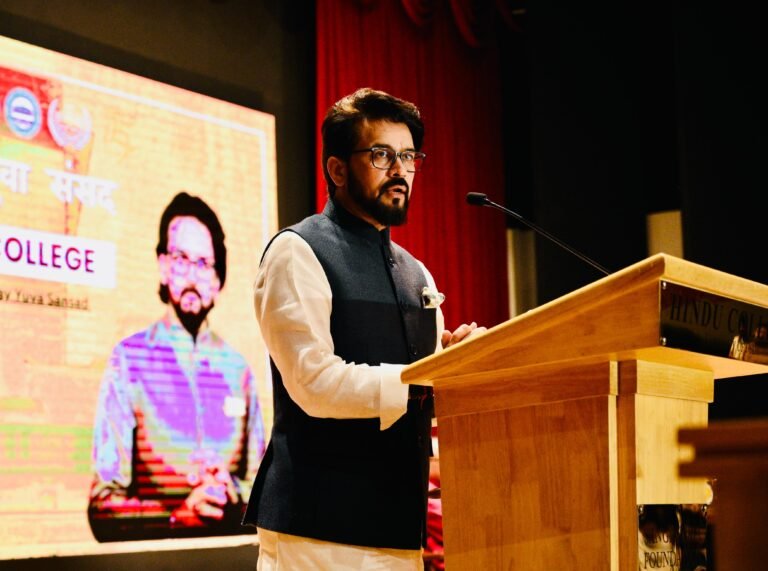
 दिल्ली के प्रतिष्ठित हिन्दू महाविद्यालय में आयोजित ‘सर्वोदय युवा संसद 2025’ में केंद्रीय मंत्री और हमीरपुर से सांसद अनुराग सिंह ठाकुर ने देशभर से आए युवाओं को संबोधित करते हुए “विकसित भारत” के लक्ष्य को केवल एक सपना नहीं, बल्कि साझा राष्ट्रीय संकल्प बताया। कार्यक्रम में आए छात्रों की ऊर्जा, विचारशीलता और सार्वजनिक संवाद की क्षमता को देखकर उन्होंने भारत के भविष्य को लेकर गहरी आशा जताई। उन्होंने विभिन्न प्रतियोगिताओं के विजेता छात्रों को सम्मानित करते हुए देश के युवा वर्ग को राष्ट्र निर्माण की मुख्यधारा में सक्रिय भागीदारी के लिए प्रेरित किया।

अपने संबोधन में अनुराग ठाकुर ने प्रधानमंत्री नरेंद्र मोदी के नेतृत्व में देश में चल रहे युवा-सशक्तिकरण के आंदोलन की चर्चा करते हुए बताया कि पिछले एक दशक में सरकार ने युवाओं को एकजुट कर उनकी सामूहिक ऊर्जा को राष्ट्र निर्माण में लगाने का जो अभियान शुरू किया है, वह विश्व में अभूतपूर्व है। उन्होंने बताया कि प्रधानमंत्री मोदी का उद्देश्य है कि एक लाख से अधिक गैर-राजनीतिक युवा भी राजनीतिक प्रणाली से जुड़ें, ताकि लोकतंत्र की जड़ें और मजबूत हों। हिन्दू कॉलेज के ऐतिहासिक योगदान की सराहना करते हुए उन्होंने कहा कि इस संस्थान के छात्रों ने अतीत में भी भारतीय राजनीति को दिशा दी है और वर्तमान युवा वर्ग में देश को नेतृत्व देने की पूरी क्षमता है।

उन्होंने युवाओं को यह भी याद दिलाया कि भारत एक युवा देश है, जहां 65% आबादी 35 वर्ष से कम आयु की है और इसमें 40 करोड़ युवा 15 से 19 वर्ष की आयु वर्ग के हैं। ऐसे में भारत का भविष्य उसके युवाओं के विचारों, सोच और भागीदारी से तय होगा। यह युवा ही हैं जो एक आत्मनिर्भर और विकसित भारत के मार्गदर्शक बन सकते हैं।

सर्वोदय युवा संसद जैसे आयोजनों की प्रासंगिकता पर बोलते हुए अनुराग ठाकुर ने इसे एक ऐसा प्लेटफॉर्म बताया जो छात्रों को न केवल लोकतांत्रिक मूल्यों से जोड़ता है, बल्कि उन्हें संवाद, नीति निर्माण और सार्वजनिक सेवा की ओर प्रेरित भी करता है। यह संसद एक ‘मॉक पार्लियामेंट’ है जहां छात्र संसद सदस्य और मंत्री की भूमिकाओं में होते हैं, और इससे उनके भीतर नेतृत्व, विचार-विमर्श और निर्णय लेने की क्षमता का विकास होता है। इस आयोजन को राष्ट्रीय और क्षेत्रीय समाचार माध्यमों में उल्लेखनीय स्थान मिला है, जो इसकी सफलता और प्रभाव का प्रमाण है।

अपने संबोधन में अनुराग ठाकुर ने बाबा साहेब डॉ. भीमराव अंबेडकर के योगदान और उनके साथ ऐतिहासिक अन्याय की चर्चा करते हुए कांग्रेस पर करारा हमला किया। उन्होंने कहा कि नेहरू-गांधी परिवार ने बार-बार बाबा साहेब का अपमान किया और संविधान की आत्मा को कुचलने का कार्य किया। उन्होंने आपातकाल की याद दिलाते हुए कहा कि किस प्रकार इंदिरा गांधी ने संविधान की मूल भावना को तार-तार किया। उन्होंने बताया कि कांग्रेस के प्रधानमंत्री खुद को भारत रत्न से नवाजते रहे, जबकि बाबा साहेब को यह सम्मान उनकी मृत्यु के दशकों बाद मिला, वह भी अटल बिहारी वाजपेयी के अनुरोध पर वीपी सिंह की सरकार में।

वर्तमान सरकार की नीतियों की चर्चा करते हुए उन्होंने वक्फ संशोधन विधेयक को एक क्रांतिकारी कदम बताया जो समाज के वंचित, कमजोर और मुस्लिम महिलाओं के अधिकारों की रक्षा करेगा। उन्होंने कहा कि वक्फ संपत्तियों में लंबे समय से चल रही धांधलियों को खुद सच्चर कमेटी ने उजागर किया था, लेकिन दशकों तक इन विसंगतियों को नजरअंदाज किया गया। वक्फ संशोधन विधेयक के माध्यम से अब यह सुनिश्चित किया जा रहा है कि इन संपत्तियों का प्रबंधन पारदर्शिता और न्याय के साथ हो। अनुराग ठाकुर ने स्पष्ट किया कि यह विधेयक किसी धर्म के खिलाफ नहीं बल्कि सभी गरीबों, चाहे वे किसी भी समुदाय से हों, के अधिकारों की रक्षा के लिए लाया गया है। उन्होंने यह भी जोड़ा कि अब समय आ गया है जब संविधान की भावना के अनुसार कानून चलेंगे, न कि किसी शाही फरमान के अनुसार।

इस आयोजन में देश के विभिन्न हिस्सों से आए 500 से अधिक छात्र-छात्राओं ने भाग लिया, जिन्होंने विभिन्न विषयों पर विचार रखे और राजनीतिक सुधारों, नीति निर्माण और रोजगार जैसे गंभीर विषयों पर सार्थक संवाद किया। ‘सर्वोदय युवा संसद’ न केवल युवाओं को राजनीतिक चेतना से जोड़ती है, बल्कि उन्हें सशक्त नागरिक बनने की ओर भी प्रेरित करती है।

इस कार्यक्रम और अनुराग ठाकुर के उद्बोधन ने यह स्पष्ट कर दिया कि युवाओं की भागीदारी और विचारशीलता ही भारत को 2047 तक एक विकसित राष्ट्र के रूप में स्थापित कर सकती है। यह आयोजन न केवल छात्रों के लिए एक अनुभव रहा, बल्कि पूरे देश के लिए यह संदेश भी कि अब भारत का भविष्य नीतियों से नहीं, बल्कि नवयुवकों की सोच और संकल्प से तय होगा।

#AnuragThakur #ViksitBharat2047 #YouthParliament #HinduCollege #AmbedkarJayanti #WaqfAmendmentBill #IndianYouthVoice #PoliticalAwareness #ConstitutionalValues #NewIndia

सुखबीर बादल की वापसी: नई बोतल में पुरानी शराब या अकाली दल का पुनरुत्थान?

0

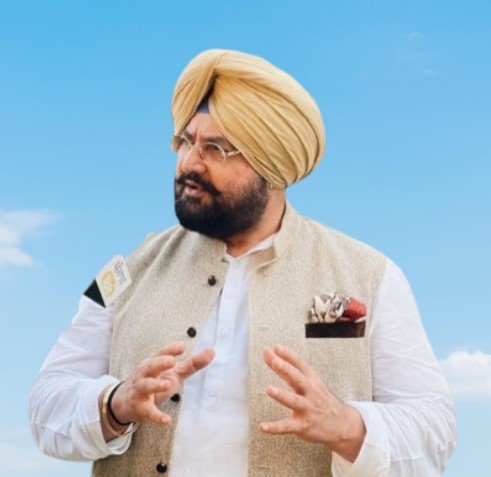
अमृतसर से पंजाब की राजनीति में एक नई बहस छिड़ गई है। पंजाब भाजपा के उपाध्यक्ष फतेह जंग सिंह बाजवा ने सुखबीर सिंह बादल को अकाली दल की प्रधानगी में दोबारा लाने को लेकर तीखी टिप्पणी की है। उन्होंने इसे “नई बोतल में पुरानी शराब” करार देते हुए कहा कि अकाली दल ने जनता की आँखों में धूल झोंकने की कोशिश की है। बाजवा के अनुसार, यह कदम एक सोची-समझी साजिश का हिस्सा है, जिसमें सुखबीर बादल ने पहले इस्तीफ़ा दिया और फिर नाटकीय ढंग से वापसी की, ताकि जनता को मूर्ख बनाया जा सके।

बाजवा ने आरोप लगाया कि सुखबीर बादल के नेतृत्व में 100 साल पुराने अकाली दल और शिरोमणि गुरुद्वारा प्रबंधक कमेटी (एसजीपीसी) को भारी नुकसान हुआ है। उन्होंने बादल से एसजीपीसी में दखलअंदाजी बंद करने की अपील की और उम्मीद जताई कि वे अपनी पिछली गलतियों से सीखकर अकाली दल को एक मजबूत क्षेत्रीय दल के रूप में स्थापित करेंगे।

यह घटनाक्रम पंजाब की राजनीति में एक महत्वपूर्ण मोड़ है, जहाँ अकाली दल अपनी खोई हुई साख को वापस पाने की कोशिश कर रहा है। सुखबीर बादल की वापसी को लेकर जनता की प्रतिक्रिया मिश्रित है। कुछ लोग इसे अकाली दल के पुनरुत्थान की शुरुआत मान रहे हैं, जबकि अन्य इसे सिर्फ एक राजनीतिक नाटक के रूप में देख रहे हैं।

अब यह देखना दिलचस्प होगा कि सुखबीर बादल अपने दूसरे कार्यकाल में अकाली दल को किस दिशा में ले जाते हैं और क्या वे बाजवा की उम्मीदों पर खरे उतरते हैं या नहीं। पंजाब की जनता की निगाहें इस राजनीतिक घटनाक्रम पर टिकी हुई हैं, जो आने वाले समय में राज्य की राजनीति को एक नया मोड़ दे सकता है।

जनरल उपेन्द्र द्विवेदी ने श्री हरिमंदिर साहिब में टेका मत्था, श्रद्धा और सम्मान का संगम

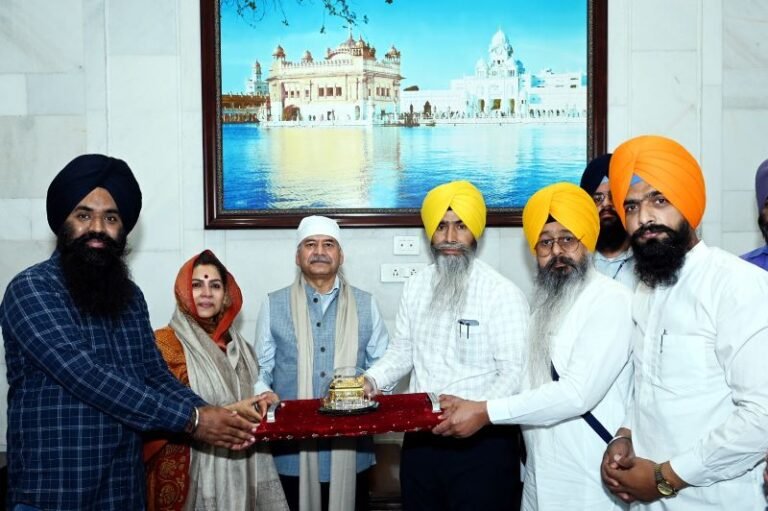
अमृतसर की पावन भूमि पर, जहाँ स्वर्ण मंदिर की आभा से वातावरण दिव्य हो जाता है, भारतीय सेना के प्रमुख जनरल उपेन्द्र द्विवेदी ने अपने परिवार के साथ श्री हरिमंदिर साहिब में श्रद्धापूर्वक माथा टेका। यह क्षण न केवल उनकी व्यक्तिगत आस्था का प्रतीक था, बल्कि देश की सेना और आध्यात्मिक विरासत के बीच एक मजबूत संबंध को भी दर्शाता है।

जनरल द्विवेदी के साथ उनकी धर्मपत्नी और परिवार के अन्य सदस्य भी थे, जिन्होंने इस पवित्र स्थल पर आकर अपनी श्रद्धा अर्पित की। इस दौरान मेजर जनरल कार्तिक सी शद्री भी उपस्थित थे, जो इस यात्रा को और भी महत्वपूर्ण बना रहे थे।

शिरोमणि गुरुद्वारा प्रबंधक कमेटी के महाप्रबंधक भगवंत सिंह ने जनरल उपेन्द्र द्विवेदी को श्री हरिमंदिर साहिब का एक सुंदर मॉडल, एक शाल और धार्मिक पुस्तकों का एक सेट भेंट कर सम्मानित किया। यह सम्मान न केवल जनरल द्विवेदी के प्रति कृतज्ञता व्यक्त करता है, बल्कि भारतीय सेना और सिख समुदाय के बीच गहरे सम्मान और आपसी समझ को भी दर्शाता है।

श्री हरिमंदिर साहिब में जनरल द्विवेदी की यात्रा, देश की सेवा और आध्यात्मिक मूल्यों के प्रति उनके समर्पण को रेखांकित करती है। यह घटना भारतीय सेना और देश के नागरिकों के बीच विश्वास और सम्मान के बंधन को मजबूत करती है, जो हमारी सांस्कृतिक और आध्यात्मिक धरोहर के प्रति उनकी गहरी प्रतिबद्धता को दर्शाती है।

यह यात्रा एक शक्तिशाली अनुस्मारक है कि कैसे हमारी आध्यात्मिक और सांस्कृतिक विरासत हमारे देश की रक्षा करने वालों को प्रेरित और मार्गदर्शन करती है, और कैसे सैन्य नेतृत्व और आध्यात्मिक मूल्यों का संगम एक मजबूत और एकजुट राष्ट्र के निर्माण में योगदान देता है।

#SriHarmandirSahib #GeneralUpendraDwivedi #IndianArmy #Amritsar #SikhHeritage

CM Nayab Singh Saini Unveils 31-Foot Panchmukhi Hanuman Idol on Hanuman Jayanti, Highlights Cultural Pride and Development Vision

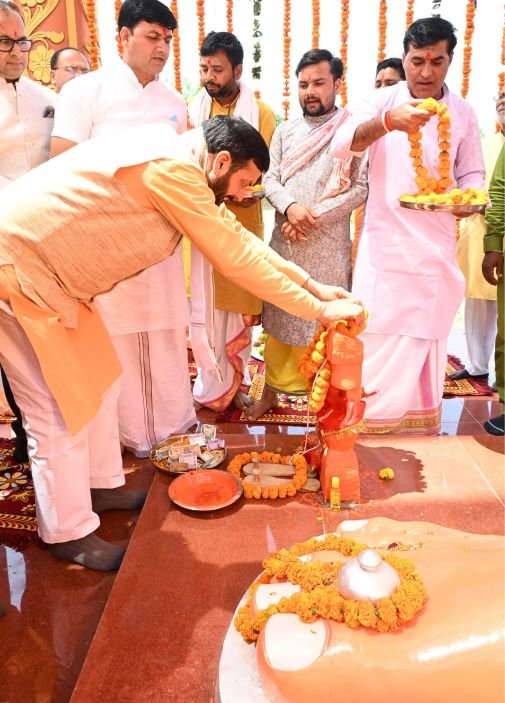
In a spiritually charged atmosphere resonating with devotion and pride, Haryana Chief Minister Nayab Singh Saini on the auspicious occasion of Hanuman Jayanti participated as the chief guest at a grand event held in village Bhurewala of Ambala district. The highlight of the ceremony was the unveiling and consecration of a magnificent 31-foot tall Panchmukhi Hanuman idol installed within the SRM College campus. Marking this as a moment of religious and cultural reverence, the Chief Minister extended heartfelt greetings to the people of Haryana and wished them prosperity, happiness, and collective well-being.

Speaking at the gathering, Chief Minister Saini described the day as one of pride and spiritual awakening for all devotees of Lord Hanuman. He recalled the legendary tales of Hanuman’s unwavering devotion to Lord Rama, especially the iconic moment when he carried the Sanjeevani herb to save Lakshman during the Ramayana war. By referencing this sacred narrative, the Chief Minister not only invoked faith but also reminded the audience of the virtues of service, courage, and sacrifice that define Indian cultural ethos.

In his address, Saini lauded Prime Minister Narendra Modi’s visionary leadership, under which the long-pending Ram Janmabhoomi dispute was resolved through constitutional and judicial processes, paving the way for the construction of the grand Ram Mandir in Ayodhya. He remarked that this achievement reflects India’s growing commitment to honoring its spiritual heritage. Emphasizing that religion and politics are not contradictory but complementary in India, he stated that the preservation of culture, restoration of sacred sites, and upholding traditional values must walk hand-in-hand with national governance.

Chief Minister Saini underscored that in the past decade, under the Prime Minister’s leadership, there has been a resurgence in the revival and rejuvenation of India’s ancient temples and cultural landmarks. He cited prominent examples such as the redevelopment of Kashi Vishwanath Corridor in Varanasi, the Mahakal Lok Corridor in Ujjain, the spiritual spectacle of Kumbh Mela in Prayagraj, the restoration of Kedarnath Dham in Uttarakhand, and the historic opening of the Kartarpur Sahib Corridor linking Indian devotees to the sacred Gurudwara in Pakistan. Closer to home, he added, the Haryana government has also undertaken extensive restoration work in the holy city of Kurukshetra, a site where Lord Krishna delivered the divine message of the Bhagavad Gita.

Highlighting the government’s commitment to inclusive growth and social justice, he stated that current development policies reflect the vision of revered figures like Babasaheb Dr. Bhimrao Ambedkar. Whether it is in the form of providing health security through Ayushman Bharat and Chirayu Haryana schemes—benefitting nearly 20 lakh citizens at a cost of ₹2200 crore—or through affordable housing for the underprivileged, the government is actively working to uplift the lives of those most in need.

Further, the Chief Minister announced that on April 14, Prime Minister Narendra Modi will be visiting Haryana to mark the birth anniversary of Dr. Ambedkar with major developmental gifts for the state. These include the inauguration of flight services from Maharaja Agrasen Airport in Hisar and the laying of the foundation stone for a new 800-megawatt Super Critical Power Unit in Yamunanagar. He invited citizens in large numbers to participate in these historic events, calling it a golden opportunity to witness Haryana’s stride toward modern infrastructure and national progress.

Reiterating Haryana’s role in the vision of a developed India by 2047, the Chief Minister encouraged the people to contribute with unity, resolve, and enthusiasm to realize this collective dream. On the occasion, he also toured the newly established Namo Ayurveda Hospital and Wellness Centre within the SRM College campus and honored sculptor Sant Kumar for crafting the imposing Hanuman statue with remarkable artistry.

Adding a devotional touch to the event, renowned bhajan singer and event host Kanhaiya Mittal captivated the audience with his spiritually uplifting bhajan, “Siya Ram Ji Ke Charno Ke Daas, Balaji Bhakton Ke Rehte Sada Paas,” which echoed through the gathering and elevated the spirit of Hanuman Jayanti.

The event, marked by religious fervor and cultural celebration, was attended by a large number of devotees, dignitaries, and notable figures including former Assembly Speaker Gyan Chand Gupta, reflecting the deep-rooted reverence and pride the people of Haryana hold for their traditions. The unveiling of the Panchmukhi Hanuman idol stands as a symbol of faith, resilience, and the seamless integration of spirituality and governance in modern India.

#HanumanJayanti #CMNayabSinghSaini #PanchmukhiHanuman #AyodhyaRamMandir #CulturalHeritage #HaryanaDevelopment #Bharat2047Vision

CM Nayab Singh Saini Visits Village Ramgarh Under “Gaon Chalo” Campaign, Reinforces Vision of Grassroots Development and Clean Governance

0

Amid the sacred echoes of devotion and the spirit of village resurgence, Haryana Chief Minister Nayab Singh Saini reached village Ramgarh in district Panchkula on Saturday as part of the state-wide “Gaon Chalo” initiative. His visit was marked by simplicity, humility, and a powerful message of participative governance. The day began with a prayer at the local Shiva temple, where the Chief Minister offered his obeisance and prayed for peace and prosperity for the people of Haryana. In a symbolic gesture reflecting his commitment to cleanliness and civic responsibility, he took up a broom to clean the temple premises, sending a strong message of Swachhata to the villagers and beyond.

On the auspicious occasion of Hanuman Jayanti, Saini extended warm greetings to the residents and announced a development grant of ₹21 lakh for village Ramgarh, underscoring the government’s proactive approach to rural upliftment. He reflected on Prime Minister Narendra Modi’s vision that governance should not be seasonal or driven by elections. Instead, leaders must consistently engage with the people in every village, understand their concerns, and work toward finding lasting solutions, regardless of whether polls are approaching.

Addressing the residents gathered at the village chaupal, the Chief Minister emphasized that over the past decade, Haryana has undergone a visible transformation in terms of infrastructure, education, health, and rural development. He took a subtle dig at the opposition, saying that earlier, political leaders would only visit villages during election seasons with hollow promises, whereas today, real change is being implemented with sincerity and continuity. With a “triple-engine government”—a term he used to signify the strong alignment between the Centre, State, and local bodies—development has accelerated across sectors and geographies.

Speaking from personal experience, the Chief Minister shared that nearly 1.5 lakh people have visited his official residence over recent months, out of which grievances of around 75,000 citizens have already been addressed by the administration. This, he stated, reflects a new governance model built on accessibility, accountability, and compassion.

CM Saini reiterated his government’s commitment to educational empowerment, especially for girls. He proudly noted that the government had fulfilled its vision of ensuring that no daughter in Haryana would need to travel far for higher education, as colleges are now being established at 20-kilometre intervals across the state. He also highlighted the government’s unwavering support to farmers by ensuring procurement of all crops at MSP and strengthening agri-infrastructure. He outlined ongoing projects like Asia’s largest mustard oil mill being set up in Rewari and a major sunflower oil extraction plant in Kurukshetra, both of which are expected to directly benefit farmers in those belts.

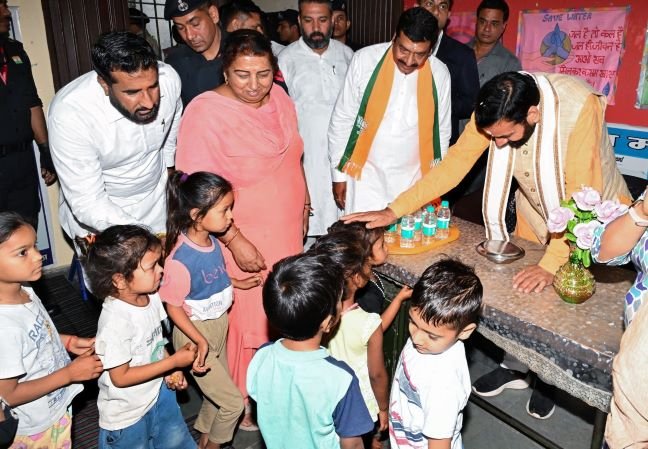
Continuing his tour of Ramgarh, the Chief Minister visited the local Community Health Centre to assess the medical facilities being provided to rural residents. He interacted with health officials and reviewed the availability of services. His visit also included a heartwarming stop at the village’s solar-powered anganwadi centre, where he spent time with young girls, offering them chocolates and blessings, symbolizing his administration’s commitment to the well-being and care of the next generation.

The event was graced by prominent local leaders including Panchkula Mayor Kulbhushan Goyal and former Assembly Speaker Gyan Chand Gupta, among others, who expressed their support for the Chief Minister’s vision of inclusive and village-centric development.

CM Nayab Singh Saini’s visit to Ramgarh exemplifies a model of leadership that transcends politics, rooted instead in visible action, village empowerment, and honest governance. Through the “Gaon Chalo” campaign, the government is not merely visiting villages—it is rekindling trust, rebuilding systems, and reminding the people that their voice, their village, and their vision truly matter.


#GaonChaloCampaign #CMNayabSinghSaini #HaryanaDevelopment #RuralTransformation #CleanIndia #VillageDevelopment #HanumanJayanti #FarmersFirst #TripleEngineGovernment

DGP Gaurav Yadav Leads Statewide Night Domination Drive in Punjab to Boost Safety Ahead of Vaisakhi

0

In a strong and visible show of law enforcement ahead of the auspicious Vaisakhi festival, Punjab Police, under the dynamic leadership of Director General of Police Gaurav Yadav, intensified its state-wide ‘Night Domination’ campaign in a multi-district crackdown that stretched across the night from Friday into the early hours of Saturday. The proactive drive was part of a broader initiative aimed at reinforcing public confidence, cracking down on criminal activity, and ensuring a secure environment for citizens, in line with the directives of Chief Minister Bhagwant Singh Mann.

DGP Gaurav Yadav personally led inspections in the key districts of Jalandhar and Amritsar, conducting surprise checks and interacting with both police officials and members of the public. His late-night visits underscored Punjab Police’s determination to stay ahead of any threats, particularly as the border state remains on high alert due to its vulnerability to drug trafficking and subversive activities from across the border.

The operation was conducted simultaneously across all 28 police districts of Punjab, running from 10 pm to 4 am. Senior officers from Chandigarh, including those of Special DGP, ADGP, IGP, and DIG ranks, were strategically deployed to various districts to oversee and personally monitor ground-level execution. This high-level engagement ensured maximum visibility and efficient coordination, while Commissionerates and SSP units were mobilised to set up checkpoints, conduct patrols, and monitor activity at sensitive public locations like railway stations, bus stands, and high-traffic junctions.

In Jalandhar, DGP Yadav began his tour near the Punjab Institute of Medical Sciences, where he oversaw vehicle checks and engaged with citizens, gauging their sense of safety. He then moved to Division No. 7 at Urban Estate and visited a major checkpoint near Dussehra Ground in the Jalandhar Cantonment area. Accompanied by Commissioner of Police Jalandhar Dhanpreet Kaur, he was met with encouraging feedback from residents who expressed appreciation for the heightened police presence. The DGP acknowledged the public’s growing confidence in the police and reiterated that transparency, community engagement, and visible policing were key pillars of public trust.

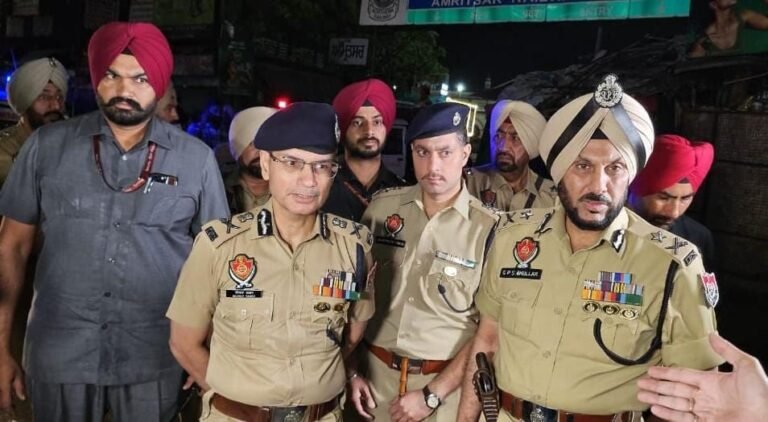
Continuing the night operation, DGP Yadav visited Amritsar later in the night, joining CP Amritsar Gurpreet Singh Bhullar to evaluate the force’s readiness in a city that will soon welcome thousands of devotees and tourists for Vaisakhi. He praised the frontline officers for their commitment and urged them to maintain a sharp vigil, especially around areas susceptible to criminal or disruptive activity.

Speaking to the media, DGP Yadav emphasized the geo-political sensitivity of Punjab, a border state often targeted by cross-border elements. He drew attention to the persistent threat posed by Pakistan-based intelligence agencies such as ISI, which have attempted to destabilize the state through proxies and narcotic smuggling. However, he highlighted that the state government’s ongoing war on drugs—coined ‘Yudh Nashian Virudh’—has significantly curbed drug availability, especially in vulnerable border regions. He affirmed that Punjab Police would continue to push forward with full strength to dismantle drug networks and their operatives.

Special DGP Law and Order Arpit Shukla later shared that the night-long operation saw the deployment of over 1000 police teams involving more than 6500 personnel, backed by 221 gazetted officers. In total, 651 strong checkpoints were set up at crucial locations throughout the state. The results of the operation were impactful—26 FIRs registered, 48 criminals arrested, and numerous suspicious individuals verified and scrutinized. These figures reflect the growing precision and intelligence-led approach that Punjab Police has adopted in its drive to maintain law and order.

The Night Domination operation isn’t just about cracking down on criminals—it is a strategic effort to reclaim public spaces, reassert the authority of the law, and restore faith in policing as a community service. The presence of top brass officers on the ground has added credibility and assurance to this mission, sending a clear message to both criminals and law-abiding citizens: Punjab Police is present, proactive, and committed.

As the state prepares for Vaisakhi and the accompanying surge in public gatherings, markets, and spiritual events, operations like these reaffirm the government’s and police department’s resolve to keep peace intact. Under the watchful eye of DGP Gaurav Yadav and the state’s highest security command, Punjab’s people can step into the festive season with a greater sense of safety, confidence, and trust.


#PunjabPolice #NightDomination #DGPGauravYadav #YudhNashianVirudh #CrimePrevention #PublicSafety #Amritsar #Jalandhar #PunjabNews

Punjab Police Nabs Prime Accused in Grenade Attack on BJP Leader’s House; Investigations Link Plot to ISI and Gangster Nexus

0

In a major counter-terror breakthrough underscoring Punjab’s evolving security posture under the leadership of Chief Minister Bhagwant Singh Mann, the Punjab Police, in a coordinated operation with Central Agencies and Delhi Police, arrested the prime accused in the grenade attack case targeting senior BJP leader Manoranjan Kalia’s residence in Jalandhar. The arrest of Saidul Ameen, a resident of Amroha in Uttar Pradesh, marks a significant stride in the ongoing campaign to dismantle terror modules operating with cross-border and organized crime affiliations.

The grenade explosion occurred on the intervening night of April 7 at Kalia’s residence located in Central Town, Jalandhar, creating shockwaves across the political spectrum and drawing immediate concern from the public. Preliminary investigations pointed to a well-orchestrated terror conspiracy believed to have been directed by Pakistan’s Inter-Services Intelligence (ISI) with the explicit objective of destabilizing Punjab’s hard-earned communal harmony. The scale and nature of the attack reflect not just a local crime but a wider terror plot interlinked with international handlers and homegrown criminal syndicates.

According to Punjab’s Director General of Police Gaurav Yadav, the swift apprehension of the key operative Saidul Ameen was the result of an intensive multi-state manhunt conducted with precision and intelligence-sharing between Punjab Police and national security agencies. He was nabbed from Delhi after days of covert surveillance and strategic coordination. The arrest, DGP Yadav emphasized, is a testament to Punjab Police’s zero-tolerance approach to terrorism and the growing synergy between state and central law enforcement arms.

The unravelling of this plot also led to the arrest of two Jalandhar-based operatives—Satish alias Kaka alias Lucky of Bhargo Camp and Harry of Garha Road—who provided ground-level logistical support to Ameen. Their swift capture played a crucial role in identifying the wider terror network. As investigations progressed, the name of Zeeshan Akhtar emerged as the mastermind behind the plot, reportedly a close associate of notorious gangster Lawrence Bishnoi and linked to Pakistan-based ISI-sponsored gangster Shahzad Bhatti. The police are also probing the possible involvement of Babbar Khalsa International (BKI), an outlawed terror outfit with historical links to separatist agendas.

Further adding to the complexity of the case is the financial trail discovered by the police, revealing the role of Haryana-based operative Abhijot. He was recently apprehended by Haryana Police following an armed encounter in Kurukshetra. Punjab’s law enforcement intends to bring him in on a production warrant to expand the scope of interrogation, particularly focusing on the funding channels and digital communication networks used to plan the attack.

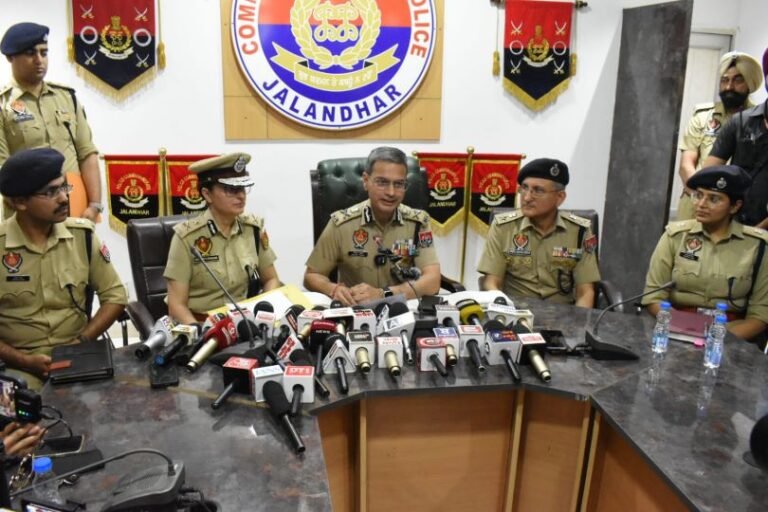
DGP Yadav, addressing media alongside Jalandhar Commissioner of Police Dhanpreet Kaur, made it clear that the investigation is far from over. Efforts are actively underway to expose the full chain of handlers, financiers, and foreign-based actors involved in orchestrating and facilitating the act of terror. The FIR, registered on April 8 under the Bharatiya Nyaya Sanhita along with sections of the Explosive Substances Act, marks the legal framework under which the accused will be prosecuted. It is not merely a criminal case but one that now represents a broader challenge to national security and the state’s socio-political stability.

This attack, though thwarted in its intent to cause mass damage, signals a disturbing trend of renewed attempts to exploit Punjab’s sensitive geopolitical environment. The incident follows a pattern where local gangs are increasingly being weaponized by international terror outfits. What sets this investigation apart is the clear and public acknowledgment by law enforcement of the ISI’s active role and the fusion of criminal and extremist networks. These revelations point toward an urgent need for integrated counterterror strategies that go beyond routine policing.

Chief Minister Bhagwant Mann has consistently reiterated his government’s commitment to making Punjab a safe, secure, and terror-free state. Under his administration, law enforcement has been empowered to act decisively and transparently, ensuring that acts of terror are met with swift justice and uncompromising pursuit of truth. The collaborative effort that led to the arrest of Saidul Ameen not only reinforces public faith in the state machinery but also sends a loud and clear message to anti-national elements—Punjab will not be held hostage to fear.

As the investigation continues to peel back layers of this transnational conspiracy, the people of Punjab watch with cautious optimism. With political will, public cooperation, and cutting-edge investigative practices, the state is charting a course toward a future where security and peace are non-negotiable.


#PunjabPolice #TerrorCrackdown #GrenadeAttack #BJPLeaderAttack #NationalSecurity #ZeroToleranceOnTerror

Punjab CM Bhagwant Mann Vows to Safeguard Farmers’ Rights, Save Groundwater, and Make Agriculture Profitable

0

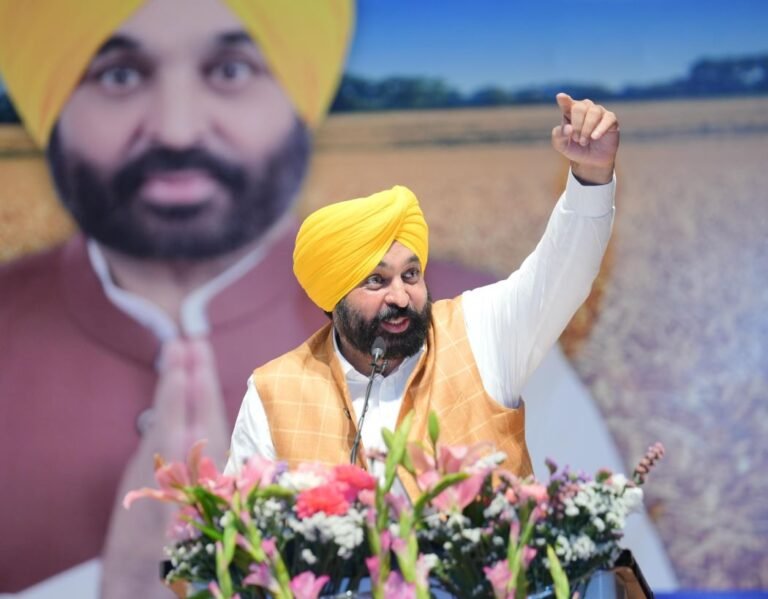
In a heartfelt address to the farming community of Punjab during the Sarkar Kisan Milni held in Ludhiana, Chief Minister Bhagwant Singh Mann reaffirmed his government’s unwavering commitment to farmers’ welfare and sustainable agricultural reform. As thousands of farmers gathered to engage directly with their elected leadership, the Chief Minister made it clear—his government is standing shoulder to shoulder with the state’s agricultural community and is determined to reshape Punjab’s agrarian future.

CM Mann described the Kisan Milni not just as an official event but as a deeply personal moment that connects him to his roots and the soil of Punjab. Emphasizing that Punjab has always been the food bowl of India, contributing 45% to the national food pool, he voiced serious concerns over the unsustainable rate at which groundwater is being depleted. The paddy crop alone, he warned, demands an alarming volume of water—equivalent to nine Gobind Sagar Lakes during just 70 days of the cultivation season. He cited that producing a single kilogram of paddy consumes 4000 litres of water, a reality that poses a dangerous risk to future generations.

In a significant move towards sustainability, the Chief Minister announced a new zonal model for paddy cultivation to begin from June 1. The state has been divided into three distinct zones with staggered sowing dates—June 1, June 5, and June 9—across various districts. This decision is not only aimed at reducing the stress on the power grid during peak agricultural seasons but also designed to prevent losses that farmers incur due to high moisture content during the paddy procurement phase in October.

CM Mann further revealed the government’s intent to phase out the highly water-intensive Pussa 44 variety of paddy. Highlighting its excessive water demands—up to 64 lakh litres per acre and a cultivation duration of 152 days—he pointed out the massive financial burden it places both on the state (Rs 7,500 per acre for electricity) and the farmers (approximately Rs 19,000 per acre in total expenditure). The aim, he said, is to encourage a shift toward sustainable varieties and agricultural practices.

The Chief Minister reassured farmers that during the upcoming paddy season, they will receive a minimum of eight hours of uninterrupted power supply. In canal-irrigated areas, this power will be provided at night to maximize efficiency and equity. He also slammed previous governments for failing to utilize Punjab’s extensive canal infrastructure, which left many tail-end farmers without access to water. In contrast, his administration has revitalized over 15,947 water courses, increasing canal water usage from a mere 21% to an impressive 75%, bringing vital irrigation to even the remotest villages.

Mann emphasized that canal water, enriched with natural minerals, not only reduces pressure on groundwater but also improves soil fertility, thus promoting more sustainable agriculture. He expressed satisfaction that these efforts are already bearing fruit, with a Union government report indicating a one-metre rise in Punjab’s groundwater levels.

Turning to future strategies, the Chief Minister expressed the government’s strong focus on crop diversification. He outlined the urgent need to wean farmers off the traditional wheat-paddy cycle by offering better marketing avenues and Minimum Support Prices (MSP) for alternative crops like maize. He also assured farmers that there would be no shortage or black marketing of essential fertilizers like DAP and urea during the season.

Mann acknowledged the financial pressures and diminishing returns that have pushed many farmers to the brink, reiterating that his administration views agriculture not as a burden but as a backbone of the state’s economy. He called upon farmers to actively participate in policy-making processes and to see themselves as equal stakeholders in shaping Punjab’s agricultural roadmap. The Sarkar Kisan Milni, he said, was a deliberate effort to bridge the communication gap between policymakers and those who work the fields.

Punjab, the CM proudly stated, contributes nearly 80% of India’s total Basmati rice production. To further boost this segment, he encouraged farmers across the state to adopt Basmati cultivation, assuring them that the government would ensure fair and assured pricing, along with every possible support to prevent economic losses. This initiative, he noted, would not only enhance the income of farmers but also reduce water consumption, giving a much-needed boost to both environmental and economic sustainability.

As he concluded, Bhagwant Mann’s message was unambiguous—the Aam Aadmi Party government stands with the farmers of Punjab, not just in words but through policy, action, and accountability. He urged the agricultural community to join hands with the state in this mission to make farming not only viable but truly profitable, while preserving Punjab’s most precious natural resources for generations to come.


#PunjabFarmers #CMBhagwantMann #SarkarKisanMilni #PaddyCultivation2025 #GroundwaterConservation #BasmatiRevolution