Home Blog Page 224

Echoes of Baishakhi: Jallianwala Bagh and the Wounds That Never Healed

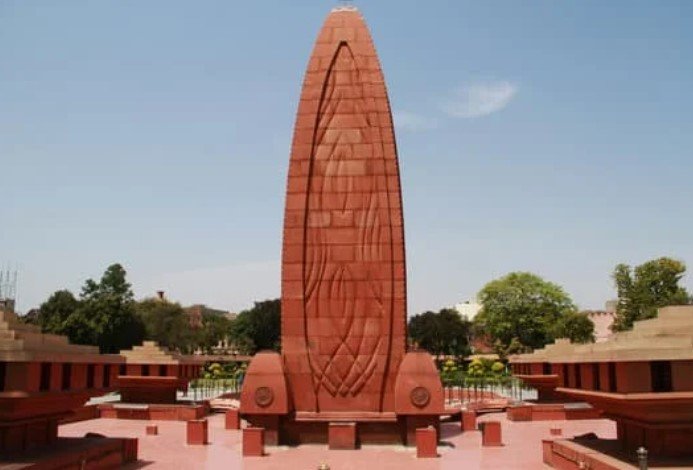
Saptrishi Soni : On the sacred day of Baishakhi, April 13, 1919, thousands of Indians gathered peacefully at Jallianwala Bagh in Amritsar. Many were there to celebrate the harvest festival, while others had assembled to register their protest against the repressive Rowlatt Act imposed by the British colonial government. The air was filled with both festivity and fervent patriotism. But by sunset, the ground was soaked in blood, and the voices of celebration were silenced forever.

Brigadier General Reginald Dyer, leading British troops, sealed the only exit of the walled garden and ordered open fire on the unarmed crowd without any warning. For ten horrifying minutes, 1650 rounds were fired into the helpless mass of men, women, and children. There was no escape, no mercy, no justification — only cold, calculated violence carried out under the guise of maintaining order. Hundreds died instantly; many more succumbed to their wounds in the days that followed. Families were shattered, dreams destroyed, and a collective scar was etched into the soul of India that continues to ache more than a century later.

Jallianwala Bagh was not just a massacre. It was a moment that shook the conscience of an entire nation and laid bare the brutal face of imperialism. The Punjab bore the brunt of this atrocity, but the grief and humiliation were shared by every Indian, from every province and walk of life. It turned loyalty into rebellion, silence into slogans, and a subdued population into a resolute movement for independence.

And yet, the most haunting part of this tragedy is not just the massacre itself, but the lack of remorse that followed. No apology has ever been offered by the British Crown — not by Queen Elizabeth during her 1997 visit to the site, nor by King Charles or any British Prime Minister, despite repeated calls for one. There has never been a formal acknowledgement of guilt, no reparation, no expression of genuine sorrow. The cold indifference of the former empire to this horror only deepens the wound, reminding India that even the most egregious crimes of colonialism can be whitewashed by silence.

Jallianwala Bagh is more than a historical site; it is a moral landmark. The massacre is not just a brutal event from the past, but a mirror in which we must constantly examine our present. In a world where peaceful dissent is again being criminalized, where protest is increasingly met with state violence, and where questioning authority is seen as subversive, the ghosts of Jallianwala whisper caution. The authoritarianism that fueled General Dyer’s action did not die with the end of British rule. It lurks wherever power becomes unaccountable and truth inconvenient.

What happened in Amritsar on that Baishakhi afternoon was a crime against humanity, a violation of the most basic civil rights. It was also a turning point in India’s freedom struggle — a moment when many who still believed in British justice finally woke up to the tyranny of colonial rule. Rabindranath Tagore renounced his knighthood. Mahatma Gandhi launched the Non-Cooperation Movement. Bhagat Singh, then a boy of 12, visited the blood-soaked garden and found his revolutionary spirit ignited. A new India was born in that tragedy — one no longer willing to be ruled, one that would fight back with its voice, its will, and its sacrifices.

Yet today, as we commemorate this dark chapter, there is a danger in reducing it to a mere annual ritual. If we only remember Jallianwala Bagh through museum exhibits, LED-lit memorials, or as a selfie backdrop for tourists, we risk stripping it of its urgent relevance. That garden must remain a living reminder — not just of colonial brutality, but of the cost of silence and the consequences of unchecked power.

The language of oppression may have changed, but its spirit lingers. Whether through internet blackouts, repression of student voices, or the criminalisation of dissent, we are once again confronted with the question: how do democracies die? Often, not with the roar of tanks, but in the silence that follows when citizens are too afraid to ask questions. The memory of Jallianwala Bagh should compel us to speak up — not just in remembrance of those who died, but in defense of the values they were killed for.

It is our duty, as inheritors of this history, to preserve not only the facts of that day, but also its moral imperative. Children in India must learn about Jallianwala Bagh not just as a tragic tale of the past, but as a warning sign for the future. The lesson is not merely that British colonialism was cruel — that much is obvious. The deeper truth is that any government, anywhere, that fears its people’s questions, that criminalizes peaceful protest, and that celebrates brute force over dialogue, risks becoming another Dyer in disguise.

Jallianwala Bagh still echoes with the cries of the innocent. And in those echoes lies a question for every Indian, every believer in democracy, and every defender of freedom — will we remember just the horror, or will we also heed the warning?

The answers we give today will determine whether such history remains behind us, or whether, in new forms and faces, we are doomed to repeat it.


#JallianwalaBaghMassacre #BritishColonialAtrocities #NeverForgetJallianwala #IndiaHistory #DemocracyAndDissent

Punjab Pays Tribute to Martyr SI Charanjit Singh as DGP Gaurav Yadav Attends Cremation Ceremony in Tarn Taran

0

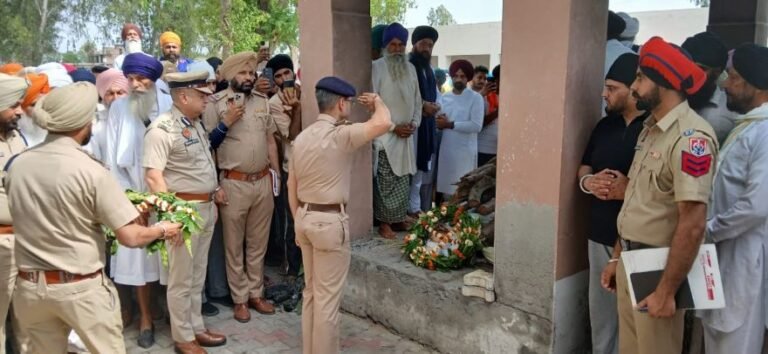
In a solemn and emotionally charged atmosphere, Punjab bid farewell to one of its bravest sons as the cremation ceremony of Sub-Inspector Charanjit Singh was held with full state honors in Theh Sarhali village of Tarn Taran district. The Director General of Police, Punjab, Gaurav Yadav, personally attended the funeral to pay rich tributes to the fallen officer who laid down his life in the line of duty. The presence of the state’s top police official reflected not only the magnitude of the loss but also the deep respect and gratitude of the entire police fraternity and government toward the supreme sacrifice made by SI Charanjit Singh.

Sub-Inspector Charanjit Singh, 57, was a seasoned and dedicated officer who had joined the Punjab Police as a constable in 1989. At the time of his martyrdom on April 9, 2025, he was posted at Police Station Goindwal Sahib. Known for his sincerity, discipline, and fearless approach to policing, SI Charanjit was a pillar of strength in his department. His untimely demise has left an irreplaceable void not only within the ranks of Punjab Police but also in the hearts of the people he served for over three decades. He is survived by his wife, a son, and two daughters, who stood with dignity and pride as the final rites were performed amidst tears, prayers, and salutes.

Chief Minister Bhagwant Singh Mann had earlier announced a financial assistance of ₹2 crore to the bereaved family, a gesture that underscores the government’s commitment to honouring the sacrifices made by its frontline defenders. This amount includes ₹1 crore as ex-gratia from the state government and an additional ₹1 crore insurance cover provided by HDFC Bank. It is a powerful reminder that the state stands shoulder-to-shoulder with those who risk everything to uphold law, order, and the security of its citizens.

At the cremation ground, DGP Gaurav Yadav offered his heartfelt condolences and gave his personal assurance that the Punjab Government and Punjab Police would extend every possible support to the family of the martyr. He hailed SI Charanjit Singh as a symbol of courage, integrity, and relentless service, stating that such officers are the real heroes who inspire generations to come. The DGP’s presence was not just ceremonial—it sent a clear and compassionate message that the Punjab Police is a family that takes care of its own, in life and beyond.

The ultimate sacrifice made by SI Charanjit Singh reaffirms the dangerous and unpredictable nature of police duty in Punjab, especially in a time where the forces are engaged in neutralising sophisticated threats to public safety and national security. Officers like him are the unsung sentinels who put duty above everything else, often working in shadows and silence, but whose sacrifices blaze across public consciousness in moments like these. His bravery is now etched into Punjab’s legacy of courage.

As prayers were offered and the tricolour was respectfully folded and handed over to the grieving family, it was not just a farewell—it was a promise. A promise from the state and its people that the service, sacrifice, and memory of SI Charanjit Singh will never fade. It was a reaffirmation of Punjab’s collective resolve to stand united against threats and honour those who defend its peace with their lives.

The financial support extended to his family is part of the broader commitment of the state government toward the welfare of police personnel and their kin. It is not merely compensation—it is recognition of a debt that can never truly be repaid. As Punjab continues to fortify itself against challenges both internal and external, the story of SI Charanjit Singh will remain a source of strength and inspiration.

In remembering him, Punjab remembers all its brave hearts who stood firm in the face of adversity. SI Charanjit Singh is no longer just a name; he is a legacy, a symbol of selfless service, and a hero who will live forever in the hearts of the people he protected.


#MartyrSICharanjitSingh #PunjabPolice #DGPGauravYadav #BhagwantMann #PoliceBravery #HeroOfPunjab #TributeToMartyr

13 अप्रैल 1919, अमृतसर। वैसाखी का दिन। सत्ता, शहादत और सवाल: जलियांवाला बाग की आज की प्रासंगिकता

0

जलियांवाला बाग हत्याकांड (1919) केवल ब्रिटिश अत्याचार का प्रतीक नहीं, बल्कि आज के भारत में सत्ता और लोकतंत्र के बीच जटिल रिश्ते का प्रतिबिंब भी है। जनरल डायर द्वारा किए गए नरसंहार ने स्वतंत्रता संग्राम को दिशा दी, लेकिन यह भी सिखाया कि जब सत्ता निरंकुश हो जाए और जनता मौन, तो इतिहास रक्त से लिखा जाता है। अगर लोकतंत्र में विरोध को अपराध बना दिया जाए और सवाल उठाने वालों को दबा दिया जाए, तो हम उसी राह पर हैं जहाँ से जलियांवाला बाग जैसी त्रासदियाँ जन्म लेती हैं। हमें शहादत की स्मृति को ज़िंदा रखना होगा — न केवल श्रद्धांजलि के रूप में, बल्कि सतत चेतावनी और लोकतांत्रिक जिम्मेदारी के रूप में। जलियांवाला बाग का संदेश आज भी यही है: सत्ता को सवालों से डरना नहीं चाहिए, बल्कि जवाब देना सीखना चाहिए।

-डॉ सत्यवान सौरभ

13 अप्रैल 1919, अमृतसर। वैसाखी का दिन। हजारों लोग जलियांवाला बाग में एकत्र हुए थे — कुछ रॉलेट एक्ट के खिलाफ शांतिपूर्ण विरोध के लिए, तो कुछ महज़ त्योहार मनाने। तभी ब्रिटिश सेना के ब्रिगेडियर जनरल रेजिनाल्ड डायर ने अपनी टुकड़ी के साथ प्रवेश किया, बाग के एकमात्र द्वार को बंद कराया, और बिना किसी चेतावनी के भीड़ पर गोलियां चलवा दीं। लगभग दस मिनट में 1650 गोलियां चलाई गईं।
सैकड़ों की जान गई, हजारों घायल हुए। दीवारें खून से लथपथ हो गईं। और भारत के स्वतंत्रता संग्राम में एक निर्णायक मोड़ आया। जलियांवाला बाग हत्याकांड सिर्फ एक ऐतिहासिक त्रासदी नहीं थी, वह साम्राज्यवादी दमन की पराकाष्ठा थी। लेकिन आज, 100 साल से अधिक समय बीत जाने के बाद, हमें खुद से पूछना होगा — क्या जलियांवाला बाग केवल इतिहास की एक दुखद कहानी है, या फिर एक ऐसा आईना है जिसमें आज का लोकतंत्र भी देखा जा सकता है?

जनरल डायर से लेकर आज की सत्ता तक

ब्रिगेडियर जनरल डायर ने इस नरसंहार को “आवश्यक कार्रवाई” बताया था। ब्रिटिश साम्राज्य ने उसे डांटा नहीं, बल्कि कुछ ने तो उसे “असली देशभक्त” भी कहा। यह घटना हमें यह समझाती है कि जब सत्ता को जवाबदेही से मुक्त कर दिया जाता है, तब वह कितनी क्रूर हो सकती है। आज, जब शांतिपूर्ण प्रदर्शनकारी किसानों पर लाठीचार्ज होता है, विश्वविद्यालयों में छात्रों को पीटा जाता है, पत्रकारों को जेल में डाला जाता है, और असहमति को “देशद्रोह” का नाम दे दिया जाता है, तब यह सवाल उठता है — क्या सत्ता की वही ‘डायर मानसिकता’ आज भी जीवित है?

विरोध और लोकतंत्र: एक नाजुक रिश्ता

लोकतंत्र की बुनियाद असहमति पर टिकी होती है। यदि लोग सवाल न करें, आलोचना न करें, और सत्ता से जवाबदेही न मांगें, तो लोकतंत्र धीरे-धीरे एक सत्तावादी ढांचे में तब्दील हो सकता है। जलियांवाला बाग में निहत्थे लोग मारे गए क्योंकि उन्होंने सवाल उठाए थे। आज अगर सवाल उठाने वालों को “राष्ट्रद्रोही” कहा जाता है, तो क्या हमने वाकई इतिहास से कुछ सीखा है? जब सवाल पूछना गुनाह बन जाए, और सत्ता खुद को “राष्ट्र” घोषित कर दे, तब लोकतंत्र के लिए खतरे की घंटी बजती है।

इतिहास को सजावटी न बनाएं

2021 में जब जलियांवाला बाग स्मारक का नवीनीकरण किया गया, तो उस पर तीखी आलोचना हुई। रंगीन लाइटें, सजावटी गलियारे, डिजिटल शो — सब कुछ जैसे शहादत को “इवेंट” में बदलने का प्रयास था।

क्या शहीदों की यादें सेल्फी पॉइंट बन जानी चाहिए?

इतिहास का काम केवल गौरव गान नहीं है, उसका उद्देश्य चेतावनी देना भी है। जब हम अपने अतीत के दर्द को केवल उत्सव में बदल देते हैं, तो हम उस चेतावनी को नजरअंदाज कर देते हैं। जलियांवाला बाग का नवीनीकरण एक उदाहरण है कि कैसे हम इतिहास की आत्मा खो सकते हैं, अगर हम केवल उसकी सतह पर सजावट करने लगें।

सत्ता की भाषा बदली है, मंशा नहीं

ब्रिटिश सत्ता ने विरोध को देश के खिलाफ समझा। आज जब हमारे अपने लोकतांत्रिक संस्थान, जनता की आवाज को “असहज” मानकर दबाते हैं, तो वह भी लोकतंत्र का हनन है। इंटरनेट शटडाउन, मीडिया पर नियंत्रण, अभिव्यक्ति की स्वतंत्रता पर हमला — ये सब आधुनिक भारत के “नरसंहार” हैं। फर्क इतना है कि अब बंदूक की जगह डंडा है, और डायर की जगह सिस्टम है। पिछले वर्षों में हुए आंदोलन — जैसे नागरिकता संशोधन कानून के खिलाफ प्रदर्शन, किसान आंदोलन, और विश्वविद्यालयों में छात्रों के आंदोलनों ने यह दिखाया है कि आज भी जब लोग सड़कों पर उतरते हैं, तो सत्ता पहले संवाद नहीं करती, बल्कि बल प्रयोग करती है।

सवाल पूछना अपराध नहीं है

जलियांवाला बाग की घटना हमें यह सिखाती है कि सत्ता को चुनौती देना जनता का अधिकार है। और यह अधिकार लोकतंत्र का आधार है। रवींद्रनाथ टैगोर ने इस हत्याकांड के बाद ब्रिटिश सरकार से ‘नाइटहुड’ की उपाधि लौटा दी थी। महात्मा गांधी ने इसे असहयोग आंदोलन की प्रेरणा माना। भगत सिंह ने इसे अपनी क्रांतिकारी चेतना का प्रारंभिक क्षण बताया। आज अगर कोई नागरिक सरकार से सवाल पूछता है, तो वह “राष्ट्रद्रोही” क्यों ठहराया जाता है? क्या राष्ट्र वही है जो सत्ता कहे? या राष्ट्र वह है जो नागरिक मिलकर बनाते हैं?

क्या हम इतिहास को दोहरा रहे हैं?

भारत आज विश्व का सबसे बड़ा लोकतंत्र है, लेकिन यह केवल वोट देने से नहीं बनता। यह बनता है पारदर्शिता, उत्तरदायित्व और नागरिक स्वतंत्रताओं से।
जब सरकारें सवालों से डरने लगती हैं, मीडिया पक्षपाती हो जाता है, और अदालतें मौन हो जाती हैं — तब लोकतंत्र का दम घुटने लगता है।
जलियांवाला बाग में जो हुआ, वह इसी मौन और अन्याय का नतीजा था। आज भी, जब कोई पत्रकार सच उजागर करता है और उसे जेल में डाला जाता है, तो वह भी एक तरह का “नरसंहार” ही है — सत्य का।

हमें क्या करना होगा?

बच्चों को जलियांवाला बाग की कहानी केवल एक अध्याय के रूप में नहीं, बल्कि एक चेतावनी के रूप में पढ़ाई जाए। उन्हें सिखाया जाए कि सवाल पूछना देशभक्ति है, गुनाह नहीं।
हमें असहमति को स्वीकार करना सीखना होगा। अगर कोई नागरिक सरकार की आलोचना करता है, तो उसे देशद्रोही कहना लोकतंत्र की बेइज्जती है। हर सत्ता को यह समझना होगा कि उसका अस्तित्व जनता से है। यदि वह जनता की आवाज को ही दबा दे, तो उसका नैतिक आधार खत्म हो जाता है। जलियांवाला बाग जैसे स्थानों को टूरिस्ट अट्रैक्शन नहीं, राष्ट्रीय चेतना के केंद्र के रूप में संरक्षित किया जाना चाहिए।

शहीदों की चीखें आज भी गूंज रही हैं

जलियांवाला बाग केवल इतिहास का एक काला अध्याय नहीं, बल्कि आज की राजनीतिक और सामाजिक परिस्थितियों में प्रासंगिक चेतावनी है। जब तक सत्ता के सामने सवाल उठाने की स्वतंत्रता नहीं होगी, तब तक लोकतंत्र अधूरा रहेगा।
यह हमारी जिम्मेदारी है कि हम शहीदों की कुर्बानी को केवल दो मिनट के मौन या फूल चढ़ाने तक सीमित न करें। हमें उनका सपना पूरा करना होगा — एक ऐसा भारत जहां सत्ता जवाबदेह हो, नागरिक स्वतंत्र हों, और सवाल पूछना एक अधिकार हो, अपराध नहीं।

जलियांवाला बाग की दीवारें आज भी बोल रही हैं। सवाल यह है कि क्या हम सुन रहे हैं?

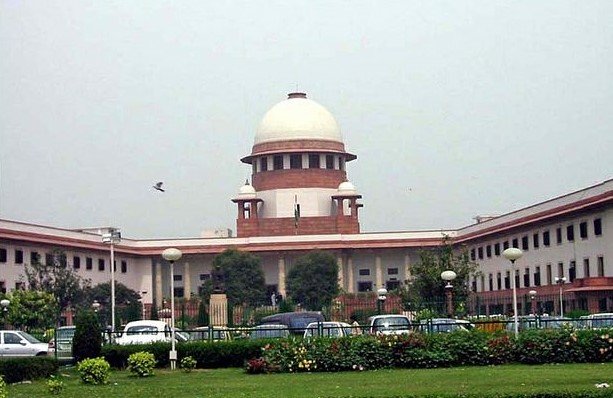
Supreme Court Puts Governors on Notice, Strengthens Federalism with Timebound Directives on Bill Assent

Saptrishi Soni:  In a landmark judgment that is being hailed as a significant stride towards strengthening India’s federal fabric, the Supreme Court of India has decisively curtailed the discretionary silence of Governors and the President on legislative bills, prescribing firm timelines for action. This historic decision is expected to not only uphold democratic values but also prevent undue delays in state-level legislation that have increasingly tested the balance of power between elected governments and constitutional heads.

This development arrives against the backdrop of a contentious legal battle between the Tamil Nadu Government and Governor R.N. Ravi, who had withheld or delayed assent to as many as twelve bills, including some pending since 2020. The apex court’s intervention marks the first time it has formally laid down a timeframe for the President to act on bills reserved by Governors—three months from the date of receipt. It also sets a maximum of one month for Governors to act when bills are presented for the first time and stipulates that even if they withhold assent or reserve it for Presidential consideration, it must be done without delay and with recorded reasons.

The court categorically dismissed any notion of a “pocket veto” or “absolute veto” in the Indian constitutional framework, stating unequivocally that the President, too, must make a definitive choice under Article 201—either to grant or to withhold assent—within a reasonable and now judicially defined period. By invoking its extraordinary powers under Article 142, the Supreme Court further underscored the seriousness of its stance by declaring the ten Tamil Nadu bills, which were re-passed in a special assembly session, as deemed to have been assented to.

This judgment does more than resolve a single state-level constitutional standoff. It lays down a critical precedent that reaffirms the supremacy of elected legislative institutions in a parliamentary democracy. The verdict reiterates that Governors and the President are not free agents but are bound by constitutional morality and the principle of responsible governance. The court reminded all that the discretionary powers of these constitutional authorities are not to be misused or weaponized to delay governance, thwart the popular mandate, or paralyze state administrations.

By making it clear that the inaction of a Governor or the President on a bill will now be open to judicial scrutiny, the bench of Justices J.B. Pardiwala and R. Mahadevan has struck a blow against opacity and arbitrariness. Their observation that Article 200 cannot be interpreted in a manner that blocks the law-making machinery of the state sends a powerful message—that democratic delay cannot masquerade as constitutional discretion.

This decision is not just an answer to the Tamil Nadu case but a much-needed corrective to the increasingly strained Centre-State relations seen in recent years. In a federal union like India, where states are not merely administrative units but sovereign entities within their own domains, it is imperative that the will of their legislatures be respected and responded to in a timely manner. Any attempt to stall or sidestep this process, especially under the guise of procedural discretion, undermines the very ethos of cooperative federalism.

In its strongly worded and deeply reasoned 415-page judgment, the Supreme Court also acknowledged the possibility of mala fide intent in the Governor’s decisions and has empowered State Governments to challenge such Presidential assent denials before the judiciary. This serves to restore a crucial check in the system—preventing constitutional offices from becoming tools of political obstruction.

Furthermore, the Court advised that state governments must also cooperate by promptly providing any clarification or data sought by the Centre or the President during such processes. This ensures that both sides—Centre and States—act in good faith and are held to a common standard of transparency and responsibility.

The timing of this verdict cannot be overlooked. With increasing friction reported between several state governments and their appointed Governors across the country, the Supreme Court has now drawn a red line—both legal and moral—around the conduct expected from constitutional heads. It has clarified that while the Constitution allows for deliberation, it does not condone delay. The message is clear: democracy demands action, not apathy.

This ruling not only provides clarity on Article 200 and 201 but more importantly, elevates the principles of accountable governance and cooperative federalism. It fortifies the architecture of India’s democratic republic by ensuring that no constitutional authority can remain indefinitely non-committal to the will of the people as expressed through their elected representatives.

#SupremeCourt #GovernorsPowers #FederalStructure #Article200 #IndianConstitution #DemocracyInIndia #TamilNaduVerdict #JudicialReview #CentreStateRelations, this is a reworked feature with keeping the main thing intact, this is a web generated news content,

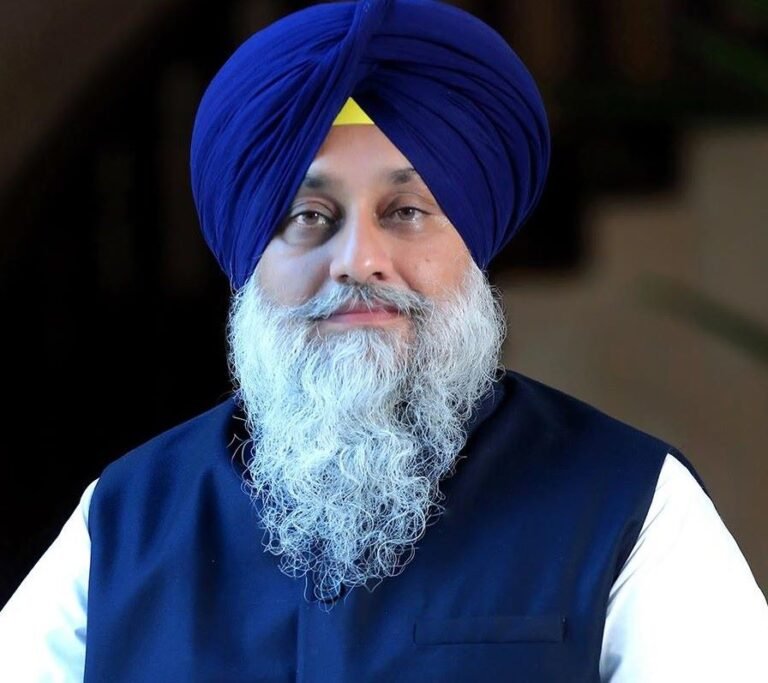
Sukhbir Singh Badal Re-Elected SAD President Amid Internal Struggles and Renewed Leadership Push

Saptrishi Soni:

Sukhbir Singh Badal, former Deputy Chief Minister of Punjab and a central figure in Punjab politics, has been unanimously re-elected as the President of the Shiromani Akali Dal (SAD). The decision, announced during a party delegates’ meeting at Teja Singh Samundari Hall, marks a significant moment in SAD’s journey, as Badal attempts to revive the party amid internal dissent, external challenges, and a deeply altered political landscape.

This re-election comes at a time when Sukhbir Badal has been facing considerable political and religious turbulence. Recently declared “Tankhiya” (guilty of religious misconduct) by the Akal Takht, the highest temporal seat of Sikh authority, Sukhbir was under intense scrutiny from both religious institutions and within the SAD’s own senior leadership. His leadership has also been repeatedly questioned following the party’s electoral setbacks and waning influence, particularly after the fallout from the controversial 2015 sacrilege incidents and SAD’s former alliance with the BJP.

A Mandate of Confidence Amid Challenges

Despite the turbulent backdrop, Sukhbir’s re-election was uncontested. His nomination was proposed by SAD Working President Balwinder Singh Bhunder and seconded by senior leader Paramjit Singh Sarna. With no alternative nominations, Gulzar Singh Ranike, the appointed observer for the election, officially declared him the party’s president once again.

The unanimous support reflects a renewed mandate from the party’s core leadership, who appear to be banking on Sukhbir’s experience, legacy, and organisational control to guide the party through a period of realignment and rebuilding.

A Quest for Revival and Relevance

Sukhbir Badal’s return as party president is not just symbolic—it signals the beginning of another phase of internal consolidation and strategic repositioning for SAD. The party, once a formidable force in Punjab politics, has struggled to retain its footing in the post-2017 era, especially with the rise of AAP and increasing inroads made by the Congress and BJP.

Sukhbir’s challenge now lies in reconnecting with the rural Sikh base, rejuvenating the party’s cadre structure, and repositioning SAD as a credible and independent voice in Punjab politics, untainted by past controversies. This will also include a recalibrated narrative around Panthic values, development, and regional autonomy.

A Fragile Unity within Party Ranks

While the re-election was uncontested, it masks simmering tensions within the party. Several senior leaders have publicly or privately voiced dissatisfaction with Sukhbir’s leadership style and strategic decisions. The absence of a challenger in the presidential race may speak more to internal discipline and centralised control rather than absolute consensus.

However, insiders suggest that this may be part of a larger strategy to present a unified front ahead of future electoral battles, including the 2027 Punjab Assembly elections. The Akali Dal’s success going forward may well depend on whether Sukhbir Badal can effectively balance tradition with reform and healing rifts within both the political and religious spheres of Sikh leadership.

Looking Ahead

Sukhbir Singh Badal’s third consecutive term as SAD president is a calculated gamble—both for him and for the party. It’s a chance to reassert leadership at a time of ideological and electoral crisis, and to forge a new path forward while still being tethered to a legacy that has come under fire.

Whether this tenure will mark a political revival or another chapter of challenges remains to be seen. But for now, the Shiromani Akali Dal has thrown its weight behind a familiar face—one who carries both the burdens of the past and the hopes of a potential resurgence.


#SukhbirBadal #SADLeadership #PunjabPolitics #ShiromaniAkaliDal #TejaSinghHall #TankhiyaControversy #PanthicPolitics #Punjab2027 #PartyRevival #IndianPolitics

Dalvir Goldy Returns to Congress, Reverses AAP Move Amid High-Voltage Punjab Politics

0

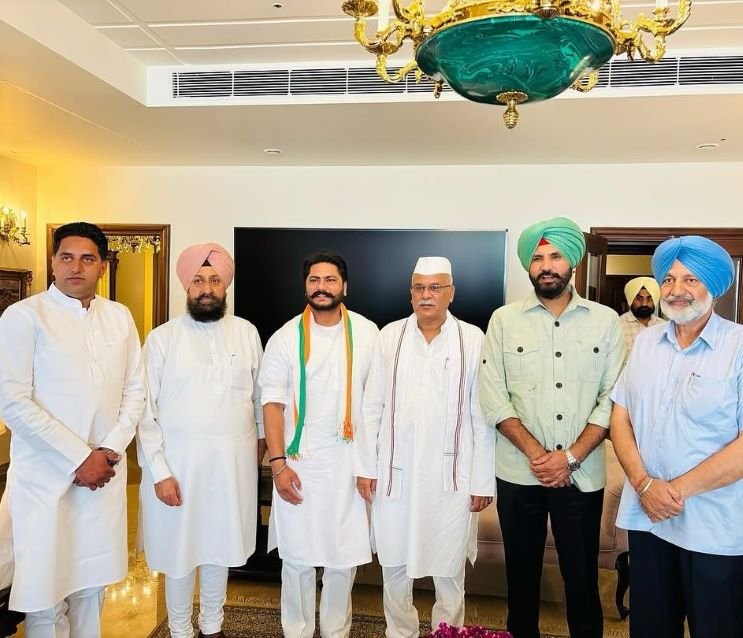
In a striking political comeback, former Congress MLA Dalvir Goldy has rejoined the Congress Party, reversing his brief yet controversial switch to the Aam Aadmi Party (AAP). Goldy’s re-induction was formalised by Congress National General Secretary and Punjab In-charge Bhupesh Baghel, in the presence of senior state leaders including Punjab Congress President Amarinder Singh Raja Warring, Leader of Opposition Partap Singh Bajwa, and former minister Balbir Singh Sidhu.

Goldy’s return marks a significant political recalibration in Punjab’s charged landscape, particularly in the Sangrur-Gidderbaha belt, where electoral dynamics remain fluid ahead of future contests.

From Defection to Regret: A Swift Turnaround

Dalvir Goldy, who previously represented Dhuri in the Punjab Vidhan Sabha and had contested the 2022 assembly elections against Chief Minister Bhagwant Mann, left the Congress after being denied a Lok Sabha ticket from Sangrur in the 2024 general elections. His entry into AAP, facilitated in the presence of CM Mann, had generated considerable buzz, given his local influence and prior loyalty to Congress.

However, his association with AAP proved to be short-lived. Within weeks, Goldy expressed deep regret over what he termed a “misjudged decision” and sought a return to his original party. The turnaround stirred an internal storm in the Congress camp, especially as LoP Partap Singh Bajwa voiced strong opposition to his re-entry, citing trust issues and political expediency.

Strategic Support During Gidderbaha By-Poll

Despite the resistance, Goldy began rebuilding ties with the Congress leadership. During the Gidderbaha by-election, he actively campaigned for Amrita Warring, wife of PPCC President Raja Warring, signaling his intent to reconcile with the party. His visible support on the ground was widely seen as a gesture of commitment, especially as Warring himself appeared to favour Goldy’s homecoming.

This internal alignment within the Congress leadership appears to have played a crucial role in softening resistance and ultimately led to his formal rejoining.

Unity Over Division: Congress Opts for Consolidation

Dalvir Goldy’s return to the Congress, despite initial opposition, reflects the party’s broader strategy to consolidate its base and resolve factional differences ahead of key political contests. With the BJP and AAP continuing to expand their footprint in Punjab, the Congress seems intent on bringing experienced grassroots leaders back into the fold to regain its competitive edge.

Baghel’s statement during the induction underscored this sentiment — choosing unity over division. He stressed the importance of organisational strengthening, a priority echoed in the recent AICC session.

Implications for Punjab’s Political Landscape

Goldy’s re-induction is more than just a personal comeback. It exemplifies the shifting sands of Punjab’s politics, where loyalty, grassroots influence, and regional clout often dictate strategy over rigid ideological lines. His brief exit and rapid return also highlight the disillusionment some leaders may feel with newer parties after experiencing internal dynamics and leadership styles elsewhere.

As Punjab heads towards critical elections in the coming years, Dalvir Goldy’s role in Sangrur and adjoining areas will be closely watched, particularly with the Congress seeking to reclaim lost ground from both the AAP and the BJP.

This political saga, marked by departure, regret, resistance, and reconciliation, offers a revealing glimpse into how party dynamics, personal ambition, and electoral calculus continue to shape the future of Punjab’s democratic discourse.


#DalvirGoldyReturns #PunjabPolitics #CongressComeback #AAPExit #BhupeshBaghel #RajaWarring #GidderbahaBypoll #PunjabCongress #PoliticalRealignment #IndianPolitics

Gurugram’s Global City Project: Haryana CM Reviews Progress, Eyes Global Investment Opportunities

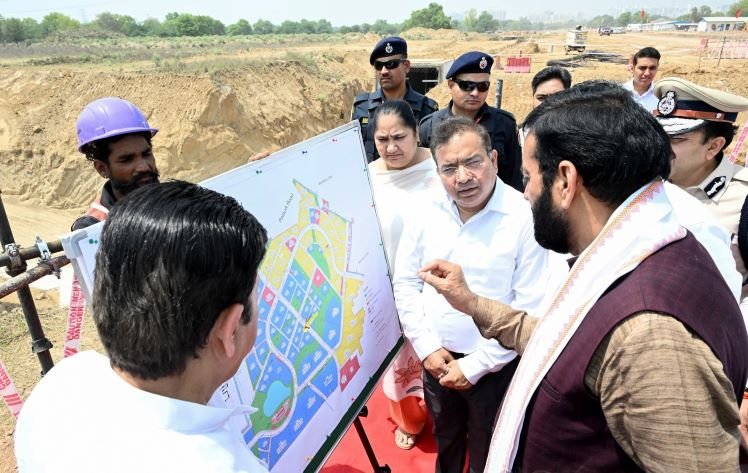
In a significant push towards transforming Gurugram into India’s most advanced urban hub, Haryana Chief Minister Nayab Singh Saini conducted a detailed site visit of the ambitious Global City project today. The visit underscored the state government’s commitment to fast-tracking high-impact infrastructure projects aligned with Prime Minister Narendra Modi’s vision of a modern, investment-friendly India.

The Global City, conceptualized to be developed along the lines of global metropolises like Dubai, is being built over 1,003 acres of prime land in Gurugram. In this first phase, construction is underway across 587 acres, with a targeted investment of ₹940 crore. The first phase is expected to be completed by 31 January 2026, marking a major milestone in Haryana’s urban transformation agenda.

Strategic Review and Global Dialogue

During his visit, CM Saini assessed construction quality, reviewed project timelines, and interacted with engineers and senior officials to ensure world-class standards are being upheld. Notably, he also held a high-level meeting with foreign investors and global stakeholders present at the site, discussing future investment potential and strategic partnerships to catalyze development in the region.

Speaking on the occasion, Chief Minister Saini emphasized, “The Global City project is not just about infrastructure. It is a vision to redefine urban living, economic activity, and international business engagement in Haryana. With state-of-the-art planning, sustainability features, and smart city infrastructure, Gurugram will soon emerge as India’s most modern city.”

PM Modi’s Vision Comes Alive in Gurugram

The initiative is a direct reflection of Prime Minister Narendra Modi’s aspiration to shape Haryana—particularly Gurugram—into a futuristic urban marvel. Planned as a mixed-use development, the Global City will accommodate commercial zones, residential areas, green corridors, and digital infrastructure aimed at high livability and global competitiveness.

The development will also promote sustainable urban mobility, renewable energy integration, digital governance, and green building norms—placing Haryana at the forefront of India’s smart city revolution.

Project Highlights:

  • Total Area: 1,003 acres
  • Phase I Development: 587 acres
  • Investment in Phase I: ₹940 crore
  • Completion Target: 31 January 2026
  • Vision: World-class infrastructure inspired by Dubai’s urban model
  • Key Features: Smart mobility, green spaces, commercial districts, innovation hubs

A Hub for Future-Ready Businesses

CM Saini reiterated the government’s openness to international partnerships, urging foreign investors to consider the Global City as a gateway to India’s fast-growing economy. With proximity to the national capital, excellent connectivity via highways and upcoming metro extensions, and a proactive policy environment, Gurugram is poised to become a magnet for global capital, tech firms, real estate developers, and innovation-driven industries.

The site visit was also attended by senior urban development officials and investment promotion agencies, who presented a roadmap of upcoming milestones and investor facilitation mechanisms.

Building Beyond Infrastructure

More than just a real estate venture, the Global City project is being framed as an economic and technological nucleus for the future. It will foster job creation, bring in global best practices, and offer a cosmopolitan ecosystem for businesses and residents alike.

Haryana’s push for infrastructural modernization under CM Saini’s leadership is being closely watched by national and international observers, especially as the state positions itself as a key player in India’s trillion-dollar economy vision.

As India surges forward with its smart city initiatives, Gurugram’s Global City could soon set the benchmark for scalable, inclusive, and future-forward urban planning.


#HaryanaDevelopment #GlobalCityGurugram #SmartCitiesIndia #UrbanInnovation #MakeInIndia #InvestmentInIndia #CMNayabSinghSaini #FutureOfUrbanLiving

किसान क्रांति अब सड़कों पर नहीं, खेतों में हो रही है :  कृषि मंत्री

0

दिल्ली में आयोजित “किसान महाकुंभ 2025” में बोले श्री श्याम सिंह राणा 

हरियाणा के कृषि एवं किसान कल्याण मंत्री श्री श्याम सिंह राणा ने कहा कि आज का किसान सड़कों पर नहीं, खेतों में चुपचाप अपने खेती की क्रांति कर रहा है। नवाचार, तकनीक और बाजार की समझ के साथ यह नई पीढ़ी खेती को नए मुकाम तक ले जा रही है।

ये विचार कृषि मंत्री ने नई दिल्ली में आयोजित “किसान महाकुंभ 2025” में अपने संबोधन के दौरान व्यक्त किए।

श्री राणा ने पुरस्कार विजेता और प्रगतिशील किसानों को संबोधित करते हुए देश के युवा किसानों को भारत की कृषि क्रांति के असली नायक बताया। उन्होंने कहा कि यह धारणा गलत है कि सभी युवा खेती छोड़ रहे हैं। उन्होंने सामने बैठे किसानों की ओर इशारा करते हुए कहा कि ये युवा किसान सड़क पर नहीं दिखते, लेकिन खेत से लेकर ब्रांडिंग तक की पूरी वैल्यू चेन को समझते हैं और उसमें निपुणता दिखा रहे हैं। उन्होंने इस आशंका को भी नकारा कि यह किसानों की आखिरी पीढ़ी है। उन्होंने कहा कि ये आखिरी नहीं, बल्कि नए युग की पहली पीढ़ी है। नवाचार, वैल्यू एडिशन और ब्रांडिंग ही भविष्य के किसान के हथियार हैं और यह युवा पीढ़ी इन सभी हथियारों का आधुनिक तकनीक के साथ प्रयोग करना अच्छी तरह से जानती है।

कृषि मंत्री ने मुख्यमंत्री श्री नायब सिंह सैनी के नेतृत्व में हरियाणा सरकार की उपलब्धियां गिनाते हुए बताया कि हरियाणा देश का पहला राज्य बन गया है जहां 24 फसलों की खरीद न्यूनतम समर्थन मूल्य (MSP) पर की जा रही है। उन्होंने इसे किसानों के श्रम और सम्मान को समर्पित नीति बताया।

उन्होंने वित्त वर्ष 2025-26 में कृषि बजट में 19.2% की बढ़ोतरी, बागवानी बजट में 95.5% और मत्स्य पालन क्षेत्र में 144.4% की वृद्धि को सरकार की कृषि समर्पित सोच का प्रमाण बताया।

श्री श्याम सिंह राणा ने बताया कि फलों और सब्जियों को खराब होने से रोकने और उचित मूल्य सुनिश्चित करने के लिए राज्यभर में 140 पैक हाउस और कलेक्शन सेंटर स्थापित किए जा रहे हैं। उन्होंने कहा कि प्रदेश सरकार चाहती है कि किसी किसान की उपज बर्बाद न हो और हर किसान को उसका उचित मूल्य मिले।

उन्होंने जलवायु, क्षेत्र और जोत के आकार के अनुसार कृषि के स्थानीय मॉडल विकसित करने की जरूरत बताई।  उन्होंने कहा कि एक जैसे मॉडल सभी पर लागू नहीं होते। छोटे किसानों के लिए विशिष्ट और व्यावहारिक समाधान जरूरी हैं। उन्होंने कहा और नाबार्ड व बैंकों से ऐसे मॉडलों को आर्थिक समर्थन देने की अपील भी की है।

कृषि मंत्री ने प्राकृतिक खेती को बढ़ावा देने की भी बात कही और इसे मृदा, जल संरक्षण और पर्यावरणीय संतुलन के लिए आवश्यक बताया। उन्होंने बताया कि इस वर्ष बजट में हरियाणा में 1 लाख एकड़ में प्राकृतिक खेती का लक्ष्य निर्धारित किया गया है। उन्होंने दिल्ली में आयोजित इस “किसान महाकुंभ” को एक प्रेरणास्रोत बताते हुए कहा कि ऐसे कार्यक्रम अन्य राज्यों और विशेषकर हरियाणा में भी आयोजित किए जाएं। उन्होंने कहा कि यह सम्मेलन भारतीय किसान की प्रगति, गर्व और उद्देश्य का प्रतीक बनकर याद हमेशा याद रहेगा।

Pedalling for a Purpose: CM Nayab Singh Saini’s Cyclothon 2.0 Rolls Out a Drug-Free Haryana Movement

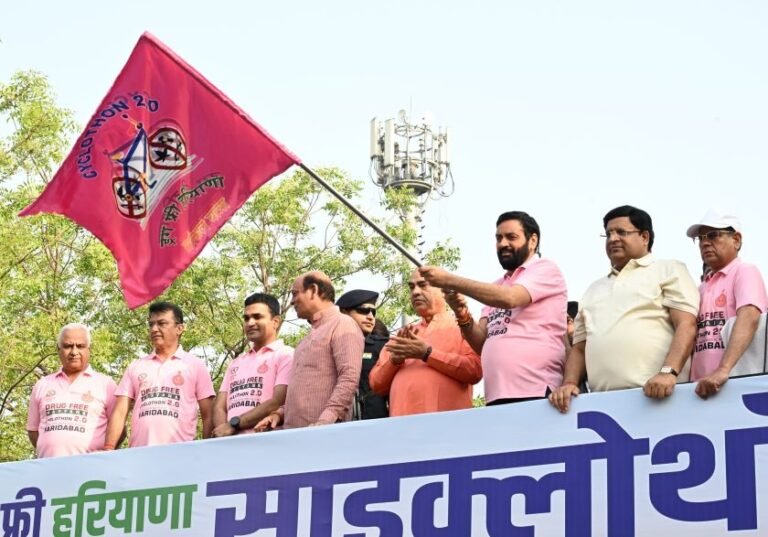
As the morning sun lit up Faridabad’s Sports Complex, Haryana’s Chief Minister Nayab Singh Saini flagged off a moving mission — Cyclothon 2.0 — that aims to free Haryana from the clutches of drug abuse. With energy, determination, and an unshakable resolve in the air, the rally of cyclists set forth towards Gurugram, carrying not just a message, but a movement that is steadily gaining strength across the state.

Cyclothon 2.0 is not just a rally; it is the visible symbol of a vision that aligns with Prime Minister Narendra Modi’s dream of a Swachh Bharat, Swasth Bharat, and Sashakt Bharat. In his passionate address, CM Saini affirmed that creating a drug-free Haryana is not merely an administrative goal, but a societal mission — one that needs the joint efforts of youth, families, educators, and civil society. As this rally makes its way through every town and village, it carries with it a deep-rooted belief: every home saved from drugs is a brick laid in building a healthier, stronger Haryana.

This movement, which began in Hisar on April 5, is no small-scale initiative. Winding through Bhiwani, Charkhi Dadri, Narnaul, Rewari, and Palwal before reaching Faridabad, the cyclothon is scheduled to touch all corners of the state by April 27. With lakhs of citizens registering in support, it is already setting new benchmarks in public engagement and awareness-building. In Faridabad alone, a record 49,111 registrations were recorded, making it one of the most enthusiastic stops so far. With a pink theme to symbolize inclusive participation, women joined in large numbers, making the event even more vibrant and impactful.

As the wheels turned, CM Saini spoke of addiction not as an isolated vice, but as a socio-economic and psychological cancer. “Drug addiction hollows not just the individual but the entire family structure,” he stated, adding that it is the youth’s dreams, careers, and mental well-being that are most threatened. The cyclothon, in this regard, becomes both a statement and a solution — igniting awareness, breaking silence, and urging communities to act before it’s too late.

The Chief Minister’s message to the cyclists was filled with optimism and grit. “Don’t think how far you have to go; instead, look at how far you’ve already come,” he said, instilling in the participants a spirit of endurance and positivity. The rally was not only symbolic but practical in its outreach — every rider was administered an oath to stay away from drugs and help others do the same. They were encouraged to report any illegal drug activities via the dedicated helplines — 90508-91508 and 1933 — or through the MANAS portal.

Adding more momentum to the campaign, international sports icons including Padma Shri and Olympic medallist Karnam Malleswari and Arjuna Awardee para-athlete Pranav Surma joined the rally in Faridabad. Their presence underlined how sports and social responsibility go hand-in-hand. CM Saini personally commended their involvement, acknowledging their influence on the youth and their support for the Drug-Free Haryana campaign.

In a parallel gesture of health and preparedness, CM Saini also flagged off two new Advanced Life Support (ALS) ambulances provided under CSR, enhancing the emergency response capacity of Faridabad’s health department. With these additions, the district now has 23 ambulances, including four ALS vehicles, ensuring better healthcare services alongside preventive awareness.

Urban Local Bodies Minister Vipul Goel and other dignitaries including Minister Rajesh Nagar, MLA Mool Chand Sharma, Dhanesh Adlakha, and Mayor Praveen Joshi attended the event and echoed the message: this is more than a campaign; it’s a social revolution.

Saini made an emotional appeal to families, educators, and youth to collectively combat the drug menace. “Change begins at home,” he emphasized, urging open communication rather than punishment when dealing with affected individuals. Schools, panchayats, and municipal bodies, he said, must own this mission, treat it with the urgency it deserves, and mobilize action at the grassroots.

Cyclothon 2.0 builds on the success of its previous edition held in 2023, which saw over 1.77 lakh cyclists and participation from more than 5.25 lakh citizens. Its current edition is more ambitious in both scale and sentiment — it seeks not just participation, but transformation.

As hundreds of youth push pedals across Haryana’s roads, they are propelling more than bicycles — they’re driving a vision, redefining resilience, and reshaping the state’s future. In every turn of the wheel lies a promise: that Haryana’s strength will no longer be diluted by addiction, but powered by awareness, unity, and action.

#DrugFreeHaryana #Cyclothon2025 #SayNoToDrugs #YouthForChange #CMNayabSinghSaini #HealthyIndia #HaryanaAgainstDrugs #PedalForChange #TogetherForTomorrow

अग्निशमन सेवा सप्ताह: आग से बचाव के लिए जागरूकता और सावधानियां

अग्निशमन सेवा सप्ताह: जीवन रक्षा के लिए जागरूकता की मशाल

हमीरपुर, 11 अप्रैल। आग, एक ऐसा तत्व जो जीवन को रोशन भी कर सकता है और पल भर में सब कुछ राख भी कर सकता है। हर वर्ष, 14 से 20 अप्रैल तक, अग्निशमन सेवा सप्ताह के रूप में मनाया जाता है, जो हमें आग के खतरों के प्रति सचेत करता है और अग्निशमन कर्मियों के बलिदान को याद दिलाता है। यह सप्ताह न केवल आग से बचाव के उपायों के बारे में जागरूकता फैलाता है, बल्कि यह भी सुनिश्चित करता है कि हम सभी आपातकालीन स्थितियों के लिए तैयार रहें। इस वर्ष, हमीरपुर में भी, अग्निशमन विभाग विभिन्न कार्यक्रमों के माध्यम से लोगों को शिक्षित और जागरूक करने के लिए प्रतिबद्ध है, ताकि हर घर और हर दिल सुरक्षित रहे।

अग्निशमन विभाग इस वर्ष 14 से 20 अप्रैल तक अग्निशमन सेवा सप्ताह मना रहा है। इस दौरान, आग से बचाव के लिए जागरूकता फैलाने और लोगों को प्रशिक्षित करने के लिए कई कार्यक्रम आयोजित किए जाएंगे। होमगार्ड्स की दसवीं वाहिनी हमीरपुर के कमांडेंट विनय कुमार ने बताया कि जिले के विभिन्न शिक्षण संस्थानों, अस्पतालों, औद्योगिक इकाइयों और अन्य संस्थानों में मॉक ड्रिल, जागरूकता और प्रशिक्षण कार्यक्रम आयोजित किए जाएंगे।

जागरूकता कार्यक्रम:

  • जिला में बड़े और पुराने भवनों का निरीक्षण किया जाएगा।
  • अग्नि सुरक्षा के प्रति जन जागरूकता अभियान चलाया जाएगा।
  • विभिन्न सार्वजनिक स्थानों पर स्वच्छता श्रमदान किया जाएगा।
  • लोगों को आग से बचाव के लिए दैनिक जीवन में बरती जाने वाली सावधानियों के बारे में बताया जाएगा।

आग से बचाव के लिए सावधानियां:

  • ज्वलनशील पदार्थों को सावधानीपूर्वक रखें और बच्चों से दूर रखें।
  • माचिस, गैस लाइटर और पटाखों को बच्चों की पहुँच से दूर रखें।
  • रसोई में बच्चों को खेलने न दें।
  • कागज, कपड़े और अन्य ज्वलनशील वस्तुओं को हीटर, स्टोव या गैस से दूर रखें।
  • घर से बाहर निकलने के सभी रास्तों को बाधा रहित रखें।
  • फर्श या ज्वलनशील वस्तुओं के पास मोमबत्ती, दीपक या अगरबत्ती न जलाएं।
  • खाना बनाते समय ढीले या सिंथेटिक कपड़े न पहनें।
  • खाना बनाने के बाद स्टोव और गैस रेगुलेटर को पूरी तरह बंद करें।
  • आग लगने की स्थिति में फर्नीचर या शौचालय में न छिपें और न ही छत पर जाएं।
  • बिस्तर पर धूम्रपान न करें।
  • बीड़ी-सिगरेट के जलते टुकड़ों को ऐश-ट्रे में डालें।
  • प्रेस करते समय किसी जरूरी काम के लिए जाने पर प्रेस बंद करें।
  • एक ही सॉकेट में बहुत अधिक बिजली के उपकरणों के प्लग न लगाएं।
  • आईएसआई मार्क के विद्युत उपकरणों का ही उपयोग करें।
  • बाहर जाने से पहले विद्युत उपकरणों को बंद करें।
  • फायर डिटेक्टरों और स्प्रिंकलर हैडों को पेंट न करें।
  • कूड़ेदानों को नियमित रूप से खाली करें।
  • आग से बचाव के लिए पर्याप्त पानी का प्रबंध रखें।
  • आपातकालीन नंबरों को संभाल कर रखें।
  • झूठी कॉल करके अग्निशमन सेवा का दुरुपयोग न करें।

अग्निशमन सेवा सप्ताह का महत्व:

कमांडेंट विनय कुमार ने बताया कि 14 अप्रैल 1944 को मुंबई बंदरगाह पर एक जहाज में विस्फोट होने के कारण एक भयानक हादसे में 66 अग्निशमन कर्मचारी शहीद हो गए थे। इन बहादुर अग्निशमन कर्मचारियों की स्मृति में और उन्हें श्रद्धांजलि देने के लिए हर वर्ष 14 से 20 अप्रैल तक अग्निशमन सेवा सप्ताह मनाया जाता है।

हैशटैग:

#FireSafetyWeek #AgnishamanSeva #FirePrevention #AwarenessCampaign #Hamirpur